This post may contain affiliate links and/or editorial content and is for informational purposes only. Please read our disclosure for more information.
Your windows do a lot more than frame the view. They manage temperature, block noise, keep moisture out, and help your home look cared for instead of quietly neglected. If you live in Richmond, where hot summers, humidity, and seasonal storms can push materials hard, window problems tend to show up faster than you’d expect. A small draft or sticky frame might seem minor, but those little issues often point to bigger performance trouble.
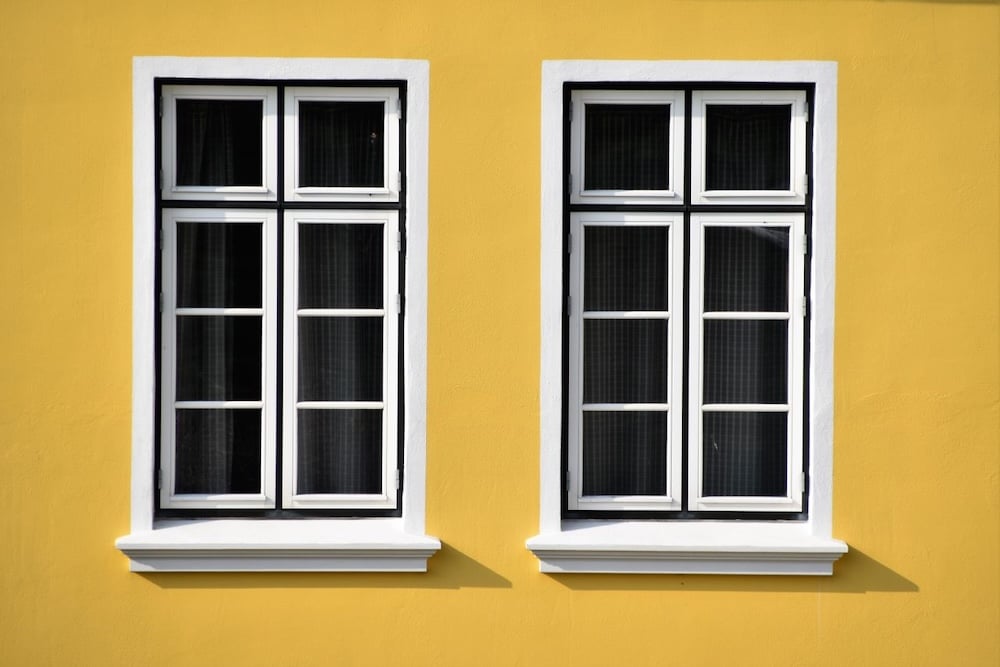
Photo credit: Waldemar Brandt on Pexels
Your Energy Bills Keep Climbing Without a Clear Reason
If your heating or cooling bills keep rising and your usage habits haven’t changed much, your windows may be part of the problem. Older or damaged windows let indoor air escape and outdoor air sneak in, forcing your HVAC system to work overtime. That means more energy burned just to keep your rooms comfortable.
You might notice certain rooms feel hotter in the afternoon or colder early in the morning. That uneven temperature pattern often points to failing seals or weak insulation in the glass and frame.
When you start comparing options for Richmond window replacement, pay attention to features like double-pane glass, low-E coatings, and insulated frames. Those upgrades can improve comfort and reduce energy waste without turning your house into a science experiment.
Drafts Are Sneaking In Even When Windows Are Shut
A closed window should actually feel closed. If you stand nearby and feel moving air, that’s a red flag. Drafts often come from worn weatherstripping, warped frames, failed seals, or installation issues that have worsened over time.
This problem can be easy to ignore because it arrives quietly. You may just find yourself reaching for a blanket in one corner of the room or adjusting the thermostat more often than usual. Your home starts playing defense against the weather, and not very well.
Try a simple check on a breezy day. Move your hand around the window edges and see whether you feel cool or warm air slipping through. If you do, repairs may help in some cases, but widespread drafts often mean replacement makes more financial sense than patching one problem after another.
The Frames Are Warping, Cracking, or Looking Rough
Window frames age just like roofs, siding, and flooring. Wood can rot, vinyl can warp, and older materials can crack under years of temperature swings and moisture exposure. In a humid climate, this kind of wear can show up faster than many homeowners expect.
Once frames start deteriorating, windows may not open smoothly or lock securely. You might also see peeling paint, soft spots, swelling, or visible gaps where the frame meets the wall. None of that is cosmetic fluff. Structural wear affects performance, security, and moisture control.
A rough-looking frame can also drag down curb appeal. Even a well-kept house starts to look tired when the windows seem neglected. Buyers notice that quickly, and so do appraisers. Fresh, properly fitted windows can sharpen the exterior appearance while solving practical issues at the same time.
Condensation Between Panes Is a Bad Sign
A little condensation on the inside of a window can happen, especially during big temperature changes. Condensation trapped between panes is different. That usually means the insulating seal has failed, and the gas layer that helps regulate heat transfer is no longer doing its job.
Once that seal breaks, the glass unit loses efficiency. You may notice foggy patches, a hazy film, or moisture droplets that never seem to clear up. It’s frustrating because no amount of cleaning will fix something happening inside the glass.
This issue often spreads as windows age. One failed pane can turn into several over time, leaving you with a house full of cloudy glass and weaker insulation. If multiple windows show the same problem, replacement often delivers a cleaner and more lasting result than trying to chase isolated fixes.
Outside Noise Seems Louder Than It Used To
If traffic, barking dogs, lawn equipment, or neighborhood chatter feel unusually sharp indoors, your windows may not be blocking sound effectively anymore. Older single-pane windows and worn seals let more noise pass through, which can make your home feel less restful.
This matters more than people sometimes admit. A noisy interior can affect sleep, focus, and general comfort. If you work from home, study online, or just want one room where the world can lower its volume, poor sound insulation gets old fast.
Modern replacement windows often reduce outside noise much better than older models. Glass packages, tighter seals, and better frame construction all help. It’s not magic, and your house won’t become a recording studio, but the difference can be surprisingly noticeable in daily life.
Your Windows Stick, Jam, or Refuse To Cooperate
Windows should open, close, and lock without a wrestling match. If they stick, jam, slide unevenly, or refuse to stay open, age and structural wear may be catching up. Sometimes paint buildup is the culprit, but repeated operation problems often signal deeper issues.
Warped frames, balance failures, rusted hardware, and foundation settling can all affect window function. When windows become hard to use, ventilation suffers. So does safety. In an emergency, a stubborn window is more than annoying.
Take note of any window you avoid using because it’s too frustrating. That habit says a lot. A window isn’t doing its job if you treat it like a decorative wall feature. Reliable operation is a core part of performance, not some bonus perk manufacturers invented for the brochure.
Water Stains and Moisture Damage Are Appearing Nearby
Water around windows rarely improves on its own. If you see staining on the trim, bubbling paint, soft drywall, or moldy smells near the sill, moisture may be entering through failing seals, damaged frames, or poor drainage.
Small leaks can create expensive problems behind the scenes. Insulation gets damp, wood begins to rot, and mold can develop inside wall cavities before anything dramatic appears on the surface. By the time you notice obvious damage, the issue may have been building for months.
Check after heavy rain, especially around older windows or any area that has had previous repairs. If moisture keeps returning, replacing the window may protect more than the opening itself. It can help prevent larger envelope issues, and those repairs are rarely known for being budget-friendly.
Your Home Looks Dated and Feels Less Comfortable
Sometimes the clearest sign is the overall experience of living with your windows. Rooms feel drafty. Light looks dull through aging glass. Cleaning takes forever. The house never feels quite as comfortable as it should, even when the thermostat says everything is fine.
Replacement becomes worth considering when windows stop supporting the way you actually live. Maybe you want better efficiency, easier maintenance, stronger security, or a more updated look. Those are practical quality-of-life upgrades, not vanity projects.
If several of the signs on this list sound familiar, waiting usually doesn’t make the issue cheaper or simpler. Windows tend to decline in a slow, sneaky way. Then one day, your house is leaking money, comfort, or both. Catching the problem early gives you more control over cost, timing, and results.