This post may contain affiliate links and/or editorial content. Please read our disclosure for more information.
Maintaining consistent branded merchandise across multiple offices or locations can be challenging for organisations operating nationwide. Different teams may order items independently, use slightly different logos, or select products that do not align with established brand standards. Over time, these small inconsistencies can dilute visual identity and reduce the effectiveness of branded merchandise in reinforcing recognition. By applying a structured approach to sourcing, design, and distribution, organisations can ensure customised merchandise remains consistent across all branches.
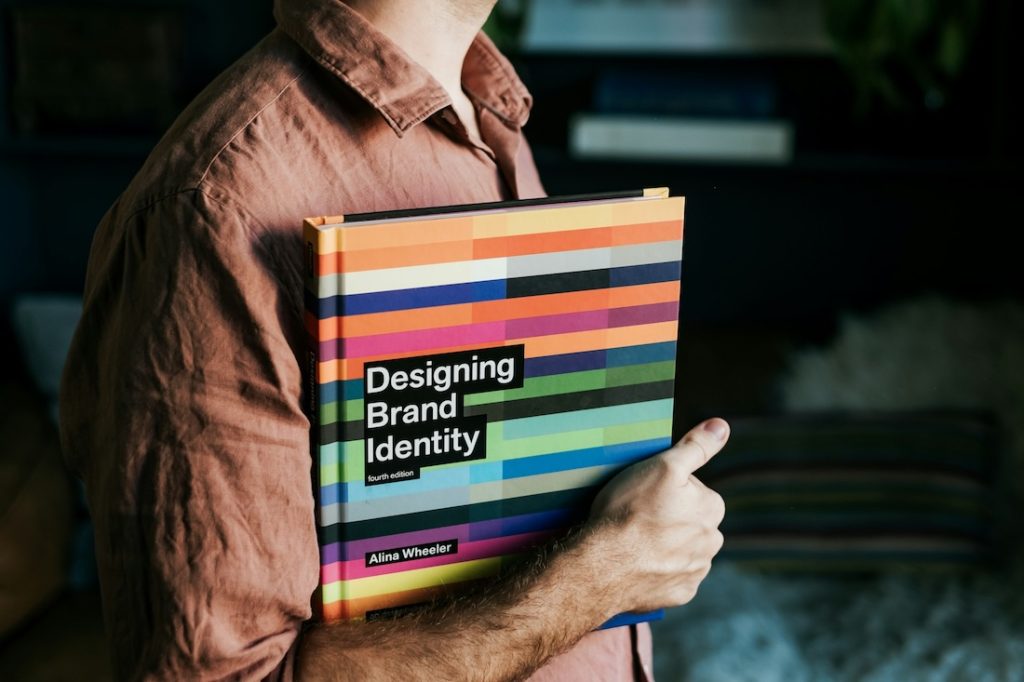
Photo by Hank Paul on Unsplash
Establish Clear Brand Guidelines For Merchandise
Consistency begins with clearly documented brand guidelines that apply specifically to promotional merchandise. While many organisations maintain visual identity rules for marketing materials, merchandise often requires additional detail covering logo placement, colour accuracy, and approved product categories.
These guidelines should outline specifications such as approved logo versions, minimum sizing, colour codes aligned with Pantone colour matching, and acceptable background variations. Including examples of compliant merchandise, such as apparel, stationery, or event materials, helps local teams understand how branding should appear in physical formats.
In many cases, organisations also coordinate sourcing with established providers, includingCustom Gear NZ supplier of customised promotional merchandise, to ensure products are manufactured in line with these brand standards. Centralised sourcing helps maintain visual consistency while simplifying quality control across locations.
Standardise Approved Product Ranges
Another effective way to maintain consistency is by developing a standard catalogue of approved merchandise. Rather than allowing each branch to independently choose items, organisations can define a curated list of products that align with brand positioning and quality expectations.
Standardisation supports both brand recognition and operational efficiency. For example, if all offices use the same style of branded drink bottles, notebooks, or staff apparel, the organisation presents a unified image regardless of location.
This approach also reduces the risk of inconsistent branding caused by different materials, printing methods, or product types. Aligning product selections ensures the logo appears consistently across items produced using techniques such as screen printing, embroidery, or digital transfer printing.
Maintain Centralised Artwork And Templates
One of the most common causes of inconsistent merchandise is the use of outdated or incorrectly formatted logos. When branches store their own design files, slight differences in artwork versions can quickly appear across printed materials.
Centralising artwork files ensures every branch works from the same approved assets. Organisations typically store these files within an internal digital asset management system where teams can access the latest logo formats, colour profiles, and layout templates.
Providing ready-to-use templates for common merchandise items further reduces variation. Templates can define placement rules, sizing proportions, and alignment standards so the logo appears consistently across items such as clothing, event materials, or corporate gifts.
Coordinate Orders Through A Central Contact
Decentralised ordering can often lead to inconsistencies in both product quality and branding execution. When individual branches source merchandise independently, variations in suppliers, materials, and production standards may occur.
A centralised ordering system helps prevent this. Organisations may appoint a designated contact, procurement team, or brand manager responsible for coordinating merchandise requests across branches as part of broader brand governance practices. This role ensures orders align with brand guidelines and approved product ranges.
Central coordination also improves production consistency by ensuring items are manufactured using the same specifications and suppliers. Over time, this approach supports stronger brand alignment and helps prevent variations that could otherwise develop between locations.
Review Merchandise For Brand Compliance
Consistency across branches requires periodic review. Even with clear guidelines and approved suppliers, organisations benefit from occasionally assessing how branded merchandise appears across locations.
These reviews may involve checking logo accuracy, colour consistency, and product quality. The goal is not only to identify discrepancies but also to ensure merchandise continues to reflect the organisation’s evolving brand standards.
Regular review also allows companies to retire outdated items and introduce updated designs when brand identities change. By maintaining oversight, organisations protect the long-term consistency of their promotional merchandise.
Consistency Strengthens Brand Recognition
Keeping customised merchandise consistent across branches requires coordination, clear standards, and ongoing oversight. Establishing defined brand guidelines, standardising product selections, maintaining centralised artwork, coordinating orders, and reviewing merchandise regularly all contribute to a cohesive visual identity. When these practices are applied consistently, organisations can ensure branded merchandise reinforces recognition and professionalism across every location.