This post may contain affiliate links and/or editorial content and is for informational purposes only. Please read our disclosure for more information.
If your work or personal documents need to cross international borders, the process can become confusing surprisingly quickly. What seems like a simple task often turns into navigating unfamiliar forms, legal requirements, and country-specific rules. Fortunately, the process is much easier when you know what to expect. Whether you run a business, freelance, or manage both work and family responsibilities, a bit of planning can save you time, reduce stress, and help you avoid costly delays.
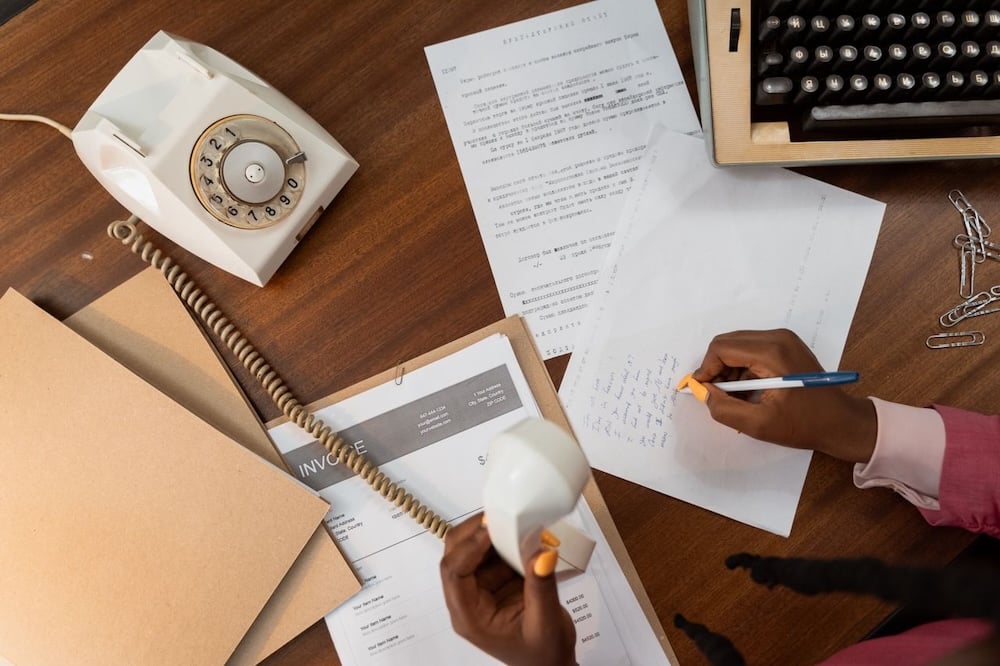
Photo credit: MART PRODUCTION on Pexels
When Papers Cross Borders
If you do business internationally, even in small ways, official documents can suddenly become a big deal. You might be opening a branch, hiring someone overseas, applying for a visa, or sending legal paperwork to another country. That’s when you learn that not every document is ready to travel just because it looks official.
Some countries want proof that a document is real before they’ll accept it. That can apply to personal records and business papers alike. In situations like that, people often look into apostille services to help prepare documents for use in another country.
For many business owners, this catches them off guard. You think the hard part is making the decision to expand or apply. Then the paperwork taps you on the shoulder and says, not so fast. A little early research can keep that surprise from turning into a deadline disaster.
Which Documents Need Extra Steps
A lot of everyday documents may need special handling before another country will accept them. That’s true whether the paperwork is tied to business, education, legal matters, or family life. The tricky part is that the list changes depending on the country and the purpose.
Common examples include:
- Birth and marriage certificates
- College diplomas and transcripts
- Background checks
- Powers of attorney
- Adoption paperwork
- Business formation documents
- Articles of incorporation
- Contracts or sworn statements
If you own a business, you may run into this with company registration papers, licenses, or agreements used abroad. If you work remotely, your employer might ask for identity or education documents. Even something that seems simple, like a diploma, can become a mini obstacle course.
This is why guessing rarely works. The receiving agency usually cares about the exact document type, where it was issued, and whether notarization or certification is required first.
Why Timing Trips People Up
The biggest problem usually isn’t the document itself. It’s the clock. People often assume this process will take a day or two, then find out there are multiple steps, office processing times, and mailing delays stacked on top of each other like paperwork pancakes.
Let’s say you’re hiring a contractor abroad and need signed company records by a certain date. Or maybe you’re applying for a visa while also managing client work and school pickup. Suddenly, one missing stamp can throw off your whole week.
Timing gets worse when a document is rejected. Maybe it was the wrong version. Maybe it did not need notarization first. Maybe the country requires a certified copy instead of a regular one. None of this is dramatic in a movie-trailer way, but it’s the kind of admin chaos that can eat your lunch.
Busy people do best when they build in buffer time. If a document is tied to travel, court dates, enrollment, or a business launch, assume the process may take longer than you’d like. That small mental shift helps a lot.
How to Avoid Common Mistakes
Most delays come from very normal mistakes. Not silly mistakes. Just human ones. You’re trying to move quickly, and the rules are more specific than expected.
A common issue is using the wrong document version. Some agencies want a recent certified copy, not the original you’ve had in a drawer since 2015. Another problem is signing too early. In some cases, the document needs to be signed in front of a notary, not at your kitchen table with coffee in hand.
Other mistakes include:
- Sending documents to the wrong office
- Forgetting the required identification
- Assuming every country follows the same rules
- Missing translation requirements
- Waiting too long to ask questions
The fix is simple, even if the process isn’t. Slow down at the start. Confirm what the receiving country wants. Check whether notarization comes first. Make sure names, dates, and document types match exactly.
Paperwork rewards patience, which is slightly rude, but true. A careful first step is often faster than fixing a rushed mistake later.
Questions Worth Asking First
Before you begin, ask a few smart questions. These save time and cut down on back-and-forth. Think of it as giving your future self a favor instead of a mess.
Start with these:
- Which country will receive the document?
- What is the document being used for?
- Do they want the original or a certified copy?
- Does it need notarization first?
- Is a translation required?
- Is there a deadline?
- Can you submit by mail, or is in-person handling better?
These questions matter because the right process depends on context. A diploma for work, a birth certificate for legal use, and business records for international registration may all follow different steps.
It also helps to ask who is making the final decision on acceptance. Sometimes a local office, school, court, or employer has its own checklist. If possible, get instructions in writing. That way, you’re not relying on vague advice from someone who says, I think that should be fine.
Building a Smoother Process
You don’t need to become a paperwork wizard to make this easier. You just need a simple system. Start a folder for every document involved. Keep digital copies, receipts, tracking numbers, and notes about who told you what. Boring? Yes. Helpful? Very yes.
Use a basic checklist with dates beside each step. If one document depends on another, note that clearly. This is especially useful if you’re balancing business tasks with family life, client deadlines, or travel plans.
A few habits make a big difference:
- Start earlier than feels necessary
- Double-check country requirements
- Keep names and dates consistent
- Track every mailing
- Ask for help before you’re rushed
The main goal is to reduce surprises. International paperwork may never be fun, but it doesn’t have to feel like a scavenger hunt designed by a grumpy printer. When you stay organized and ask the right questions early, the whole process becomes much more manageable. That gives you more time to focus on the part you actually care about, whether that’s growing your business or simply getting one more thing off your list.