This post may contain affiliate links and/or editorial content and is for informational purposes only. Please read our disclosure for more information.
Your bathroom gets used more than almost any room in your home, yet it often stays stuck with old fixtures, awkward storage, and lighting that makes 7 a.m. feel personal. A remodel can fix function, comfort, and style at the same time, but only if you plan it well. If you rush into tile samples and shiny faucets too early, your budget can disappear faster than hot water in a crowded house.
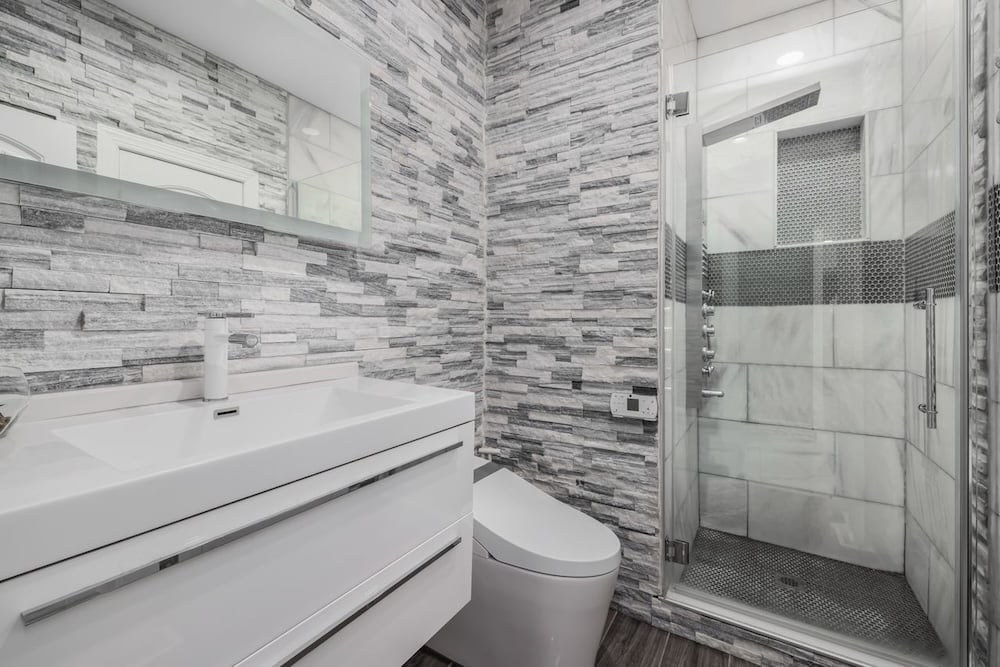
Photo credit: Curtis Adams on Pexels
Build a budget that includes the boring stuff
A bathroom remodel budget is not just tile, paint, and fixtures. The less glamorous costs tend to sneak up first. Plumbing updates, waterproofing, demolition, permits, labor, and ventilation often take a bigger share than homeowners expect.
A practical budget usually includes:
– Materials
– Labor
– Permit fees
– Disposal or cleanup costs
– Contingency money for surprises
Keep at least 10 to 20 percent set aside for hidden issues. Older homes especially like to reveal small disasters behind walls, under flooring, or around tubs. Water damage and outdated plumbing are common culprits.
If you want a more polished, functional upgrade, exploring professional bathroom remodeling services can help you compare layout options, material choices, and installation requirements before costs spiral. Guesswork is expensive. A clear scope is much cheaper.
Start with how you actually use the space
Before you pick colors or scroll through inspiration photos for two hours straight, study your current bathroom like a project manager. Notice what annoys you daily. Maybe your vanity has no drawer space, the shower feels cramped, or the lighting turns every mirror check into a jump scare.
Write down what matters most to you:
– Better storage
– Easier cleaning
– More counter space
– Improved lighting
– A larger shower or tub
– Better accessibility
Your bathroom should match your routine, not some showroom fantasy. If two people get ready there every morning, double sinks may help. If you rarely take baths, a large tub may be eating square footage for no good reason. Smart remodeling starts with habits, not aesthetics.
Choose a layout before you choose finishes
People often obsess over finishes first because they’re fun and visual. Layout decisions matter more. A beautiful bathroom with a bad floor plan still feels frustrating every day.
Think about movement in the room. Can the door open without hitting the vanity? Do drawers have enough clearance? Is the toilet awkwardly placed in full view? Can someone step out of the shower without performing a balancing act worthy of a sports highlight reel?
If space is tight, small changes can make a huge difference:
– Swap a swinging door for a pocket door
– Use a floating vanity for visual openness
– Replace a bulky tub with a walk-in shower
– Add recessed shelving instead of deep cabinets
Finishes can elevate the room later. First, make sure the bones of the design support daily life. Function is not glamorous, but it ages better than trends.
Pick materials that can handle moisture and time
Bathrooms are humid, messy, and hard on surfaces. Materials need to survive steam, splashes, cleaning products, and constant use. What looks great in a photo may be a maintenance headache in real life.
Porcelain tile is a reliable favorite because it resists water and wears well. Quartz counters are durable and easier to maintain than many natural stones. Matte finishes can hide fingerprints and water spots better than ultra-glossy ones.
When choosing materials, consider:
– Slip resistance for flooring
– Water resistance for walls and surfaces
– Ease of cleaning
– Durability under daily use
– Long-term maintenance needs
Tiny grout lines, specialty stone, and trendy textures can look amazing, but some require more upkeep than you may want. If you already hate cleaning your bathroom, don’t choose materials that turn that dislike into a side hustle.
Lighting and ventilation deserve more respect
Bad bathroom lighting can make a remodeled space feel oddly unfinished. One ceiling fixture in the center of the room usually isn’t enough. You need layered lighting that supports grooming, showering, and general use.
A strong setup often includes:
– Overhead ambient lighting
– Task lighting near mirrors
– Accent lighting if you want extra style
– Dimmers for flexibility
Place vanity lights where they reduce shadows on your face rather than creating them. Side-mounted sconces or evenly placed fixtures above the mirror tend to work better than random overhead glare.
Ventilation matters just as much. A quality exhaust fan helps control moisture, mildew, and peeling paint. It also protects your investment over time. If your current fan sounds like a lawn mower and clears steam with the urgency of a sleepy snail, replace it.
Storage should solve real clutter, not just hide it
A remodeled bathroom can still feel chaotic if storage is poorly planned. You want places for the items you use often, plus room for backups, towels, tools, and the random products that seem to multiply under every sink.
Good storage feels almost invisible because it works so well. Think beyond a basic vanity cabinet. Drawers are often more practical than open shelves, especially for daily essentials. Recessed medicine cabinets can add hidden storage without eating into floor space.
Useful options include:
– Vanity drawers with dividers
– Built-in niches in the shower
– Tall cabinets for towels and supplies
– Hooks for robes and used towels
– Drawer outlets for grooming tools
Match storage to your habits. If your countertops always collect products, plan for easy-access zones. If you prefer a cleaner visual look, hidden storage should do more of the heavy lifting.
Know when to DIY and when to call a pro
Painting walls or swapping cabinet hardware can be manageable DIY tasks. Moving plumbing lines, waterproofing a shower, or installing tile with proper slope and drainage is a different story. Bathrooms have little room for error because moisture punishes mistakes quickly.
A pro may be worth it when your project involves:
– Electrical work
– Plumbing relocation
– Structural changes
– Custom tile installation
– Waterproofing systems
– Permit requirements
Hiring the right contractor takes some homework. Check licenses, insurance, reviews, timelines, and written estimates. Ask how they handle delays, change orders, and cleanup. A low quote can look tempting, but poor workmanship often comes with a sequel no one asked for.
A successful remodel usually comes from balancing style, budget, and practicality. If you plan carefully, choose durable materials, and respect the technical side of the job, your new bathroom can feel better every single day, not just in the reveal photos. That’s the kind of upgrade you’ll notice long after the dust settles.