This post may contain affiliate links and/or editorial content. Please read our disclosure for more information.
I spent a full Saturday replacing a flickering halogen downlight, scrubbing a mouldy bath mat, and plunging the same slow shower drain again.
That was the point I decided my home had to support my week, not steal my weekend.
If you run a business, manage family schedules, or simply guard your free time, low-maintenance upgrades are worth more than trendy finishes. The best ones cut repeat chores, lower bills, and reduce emergency call-outs.
Low-maintenance does not mean no maintenance. It means the job is short, predictable, and easy to keep under control.
What Low-Maintenance Really Means In An Australian Home
A low-maintenance upgrade keeps working in heat, humidity, and daily use without asking for constant care.
I use a simple five-part test. The upgrade should take less than ten minutes a month to maintain, remove a common failure point, improve compliance, cut water or energy use, and suit the local climate.
That climate point matters more than people think. Salt air on the Sunshine Coast speeds up corrosion, while Melbourne clay soils and mature roots make drain problems more likely.
When you judge upgrades this way, the priority list becomes clear. Choose the fix that removes a recurring job first, not the one that only looks good on day one.
Weekend Wins That Remove Repeat Chores
Start with small changes that cut a weekly task or prevent a common failure before it starts.
Lighting That Cuts Bills And Ladder Climbs
Swap every halogen for an LED by matching lumens, not wattage, so brightness stays consistent. Use 2700-3000K for living spaces and 3500-4000K where you prep food, read labels, or do detailed work.
Add a passive infrared, or PIR, sensor in hallways, garages, and pantries. It switches the light on when it detects movement, which saves power and stops the constant on-off routine.
Bathroom Airflow And Faster-Dry Surfaces
Bathrooms get messy because moisture lingers. A 30-60 minute exhaust fan timer, refreshed silicone on splash lines, and a quick pass with a squeegee keep dampness from settling into grout, glass, and corners.
This is also a safety issue. Wet floors matter because falls were the leading cause of injury hospitalisations in Australia in 2023-24.
Smarter Water Use At Shower And Sink
Fit hair catchers in every shower and strainers in every sink. Then set one monthly reminder for an enzyme drain treatment, which uses bacteria and enzymes to break down organic buildup without the harsh hit of repeated chemical cleaners.
For showerheads, look for WELS, Australia’s Water Efficiency Labelling and Standards scheme, and aim for a 4-star model with a nominal flow of 7.5 L/min or less. Every 1 L/min reduction can save a family of four nearly 12 kilolitres of water and about $35 each year.
Safety Devices You Should Not Delay
Photoelectric smoke alarms detect visible smoke particles and respond faster to smouldering fires than old ionisation models. If you live in Queensland, interconnected photoelectric alarms are required across all dwellings by 1 January 2027, whether hardwired or fitted with a sealed 10-year battery.
Test alarms monthly, vacuum the covers once a year, and keep the installation record with your home paperwork. That small habit makes insurance questions much easier later.
Browse Stone Shower Mat Collection
A bathroom surface that dries fast can remove one of the most annoying wash-and-replace chores in the house.
If fabric mats stay damp, smell musty, and keep adding to your wash cycle, a quick-dry diatomite surface is the cleaner swap for a busy bathroom because it air-dries fast, resists mildew better than fabric, and cuts one more repeat load of laundry. When comparing finishes and sizes, Natureva gives you a simple way to browse stone shower mat collection before choosing.
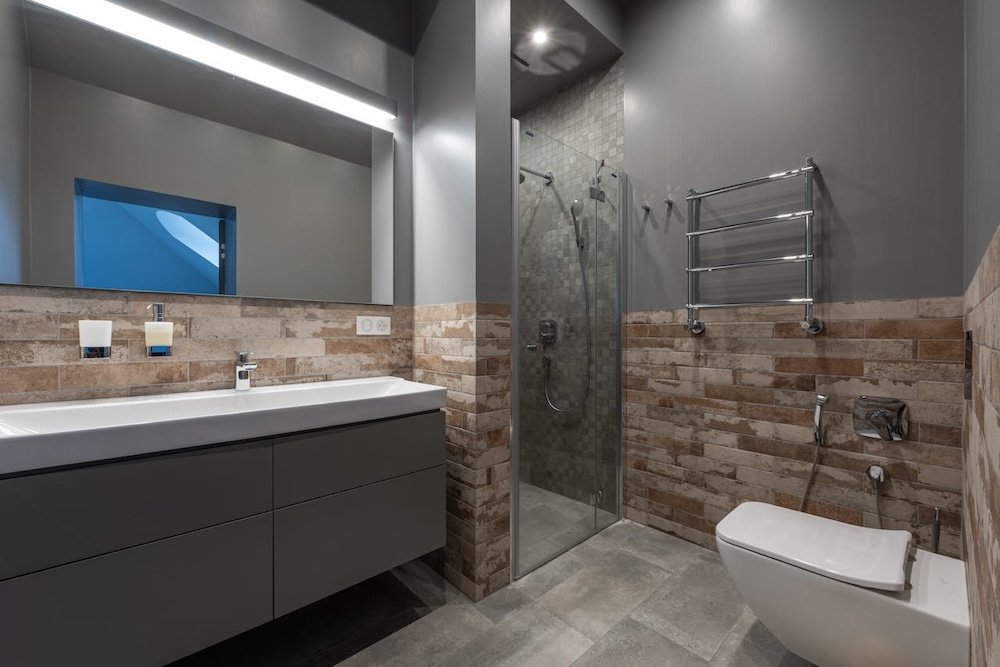
Photo credit: Pexels
Fabric bath mats trap water, hold odours, and turn into a steady laundry job. A diatomite stone mat works differently because its porous mineral structure pulls surface moisture into tiny holes and lets it dry quickly, which is why diatomite ceramics with around 50% porosity absorb water so well.
For the best result, place the mat where drips land when the shower opens, keep it flat on clean tiles, and use a non-slip backing underneath. If the surface starts to feel slick after long use, a light sand restores the absorbent finish.
If you want options that suit neutral tiles and a simple bathroom palette, compare size, thickness, edge style, and backing before you buy. It is a small swap, but it removes a daily annoyance.
How To Buy Or Book Without Babysitting The Job
Good buying decisions save more time than any clever workaround after installation.
At hardware stores or online, compare lumens instead of watts for bulbs, check Energy Rating labels, and confirm WELS stars on taps and showerheads. In wet areas, look for products designed for moisture instead of assuming every finish will cope.
For trades, use licensed electricians for alarms and hardwired sensors, licensed plumbers for drain work, and qualified gate technicians for automatic gates. Ask what testing is included, who returns if the fault comes back, and what paperwork you will get at the end.
Reviews matter most when they mention the install context. A comment about salt air, leaf-heavy streets, or a stubborn drain tells you more than a generic five-star rating.
How To Track Payback And Know When To Escalate
A simple log turns vague household frustration into a clear case for repair or replacement.
Start with a baseline. Note your electricity use in kWh and water use in kilolitres before you change bulbs, showerheads, or hot water systems, then compare one or two billing cycles after the upgrade.
Next, track minutes saved. Count how often you replaced bulbs, washed bath mats, plunged drains, or dried floors before the change, then compare that with the next quarter.
Keep an incident log, too. Two similar faults in one quarter, like repeat drain gurgling or a gate that keeps reversing, is the point where DIY stops being efficient.
Finally, keep a short safety scorecard. Test smoke alarms monthly and check powered gates, remotes, and wet-area surfaces twice a year.
Outdoor Checks That Prevent Indoor Problems
A few outdoor checks stop water, dirt, and plant growth from turning into indoor repair bills.
Weather-adjusting irrigation controllers reduce watering on cool or rainy days, which cuts waste and saves you from constant timer fiddling. Pair them with drought-tolerant planting if you want the yard to look good without daily attention.
Clear leaves from gutters and surface drains before storm season, and make sure downpipes discharge cleanly. Where leaf fall is constant, gutter guards can make sense, but only if you still inspect them seasonally.
Also, keep mulch and soil below weep holes and watch for water pooling near external walls. Small drainage issues outside can become mould, staining, or slab problems inside.
Expert Electric Gate Repairs Sunshine Coast
Automatic gates save time only when their safety systems and moving parts are set up correctly.
If your automatic gate judders on the track, reverses mid-travel, or trips the breaker, treat it as a safety issue because repeated resets do not fix alignment, sensor drift, or unsafe motor pressure. For a Queensland call-out that includes sensor alignment and force-limit testing, OPS Services makes it easier to book expert electric gate repairs Sunshine Coast before the risk grows.
On the Sunshine Coast, salt air, grit, and heat put extra pressure on rollers, tracks, control boards, and limit switches. Common warning signs include a gate that reverses mid-travel, judders on the track, ignores the remote, or trips the circuit breaker.
These faults are not just inconvenient. Force limits control how much pressure the motor can apply before it stops or reverses, and photo-eye sensors tell the gate when something is in the way. When either setting is off, the gate can become a real crush risk for children, pets, and vehicles.
When those symptoms appear, book a qualified technician to realign tracks, test sensors, and recalibrate the motor safely. Between visits, wipe the sensor lenses and lubricate moving hardware.
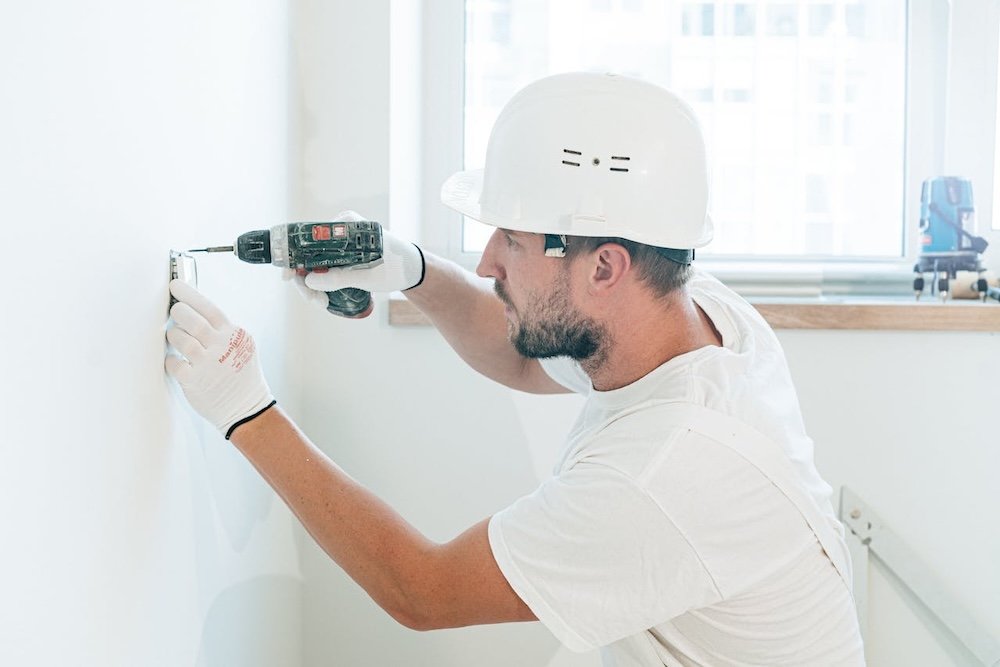
Photo credit: Pexels
When DIY Stops Saving Time
DIY is useful until repeat failures cost more than a licensed call-out.
Good DIY jobs include replacing plug-in LEDs, clearing shower strainers, testing smoke alarms, wiping sensor lenses, and removing surface leaves from drains. These tasks are low risk and easy to repeat.
Stop when the job involves fixed wiring, pressurised water, moving motors, or recurring symptoms that return after two attempts. If the same issue keeps coming back, the root cause is still there.
That is the real cost of delay. A small repair bill today is usually cheaper than four weekends of patch jobs and one urgent call-out later.
Signs Your Drains Need More Than A Plunger
Recurring slow drains usually point to buildup or damage deeper in the line.
Watch for water backing up in the shower when the washing machine runs, bad smells that return after cleaning, gurgling noises, or an overflow gully that gets wet after heavy rain. Those are signs the blockage is not sitting near the surface.
Chemical drain cleaners can punch a temporary hole through buildup, but they do not clean the full pipe wall. In older systems, repeated use can also be hard on seals and fittings.
Persistent problems usually mean grease scale, tree-root intrusion, or a pipe that has cracked or shifted. At that point, you need both cleaning and a clear look inside the line with a small drain camera.
Simple Habits That Extend The Life Of Every Upgrade
Low maintenance does not mean zero attention, but the routine should stay short and predictable.
Once a month, empty shower hair catchers, wipe bathroom exhaust grilles, vacuum smoke alarm covers, check silicone for gaps, and clean the lenses on motion sensors and gate sensors. The whole reset should take about ten minutes.
Once a quarter, compare bills, inspect exterior drains, test remotes, and look for new water stains or mould spots. These quick checks catch drift before it becomes a failure.
Keep receipts, model numbers, warranty details, and install dates in one folder. When something does go wrong, you can solve it faster.
Professional Jet Blaster Plumbing Services
When a blockage keeps returning, full-pipe cleaning and inspection are usually the only lasting fix.
If this is your second slow-drain episode in a quarter, stop pouring in chemicals because recurring blockages usually mean grease, roots, or damage deeper in the line, not a simple surface clog. As the sensible step-up option for repeat faults, Melbourne Plumbing and Drainage Solutions can help you safely book professional jet blaster plumbing services and pair the clean with CCTV before the next backup.
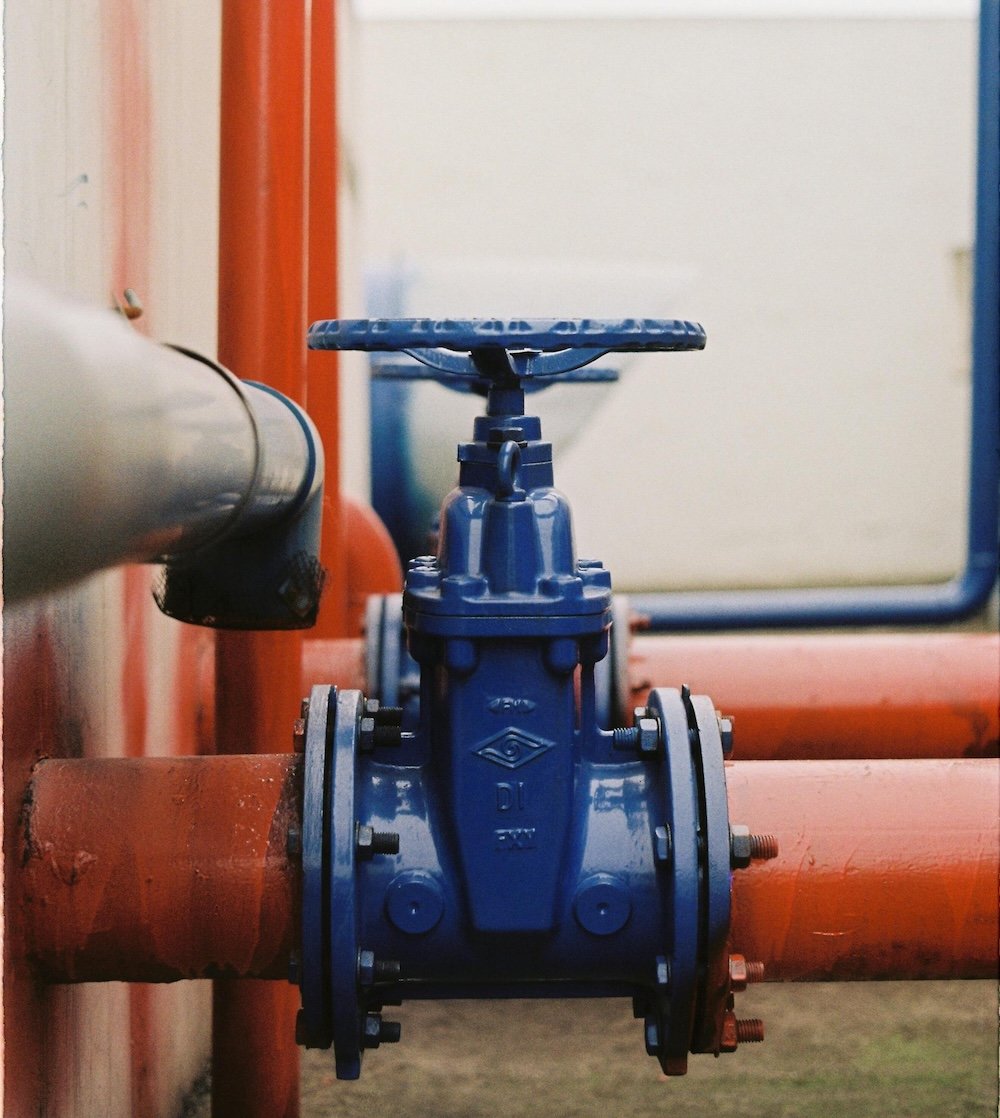
Photo credit: Pexels
Melbourne’s established suburbs sit on heavy clay soils with mature trees, which is a tough mix for drains. If slow flow keeps returning after rain, leaf fall, or two rounds of DIY treatment, the problem is usually inside the pipe itself.
Hydro-jetting uses high-pressure water to scour the full inside surface of the pipe instead of only punching through the centre of the blockage. Safe Work Australia treats high-pressure water jetting as a specialised activity, which is another reason this is a job for trained operators, not a home experiment.
For a second slow-drain episode in the same quarter, book a trained operator and pair the visit with CCTV to check for cracks, offsets, or root entry. Then inspect downpipes before storm season.
Make Your Home Work For You
The right upgrades give you back time by removing chores, not by adding more products to manage.
Start with the jobs that waste time every week: lighting, bathroom moisture, strainers, and smoke alarms. Track the results for one quarter, keep what saves time, and call licensed professionals when safety or repeat failure enters the picture.
FAQ
These short answers cover the questions that usually come up after the first round of fixes.
What’s The Fastest First Step?
Swap halogens for LEDs, add one hair catcher to each drain, and install an exhaust fan timer in the bathroom. Those three changes cut chores almost immediately.
Are Stone Bath Mats Safe On Tiles?
Yes, if they sit flat on clean tiles and use a non-slip backing. Their fast-dry surface can also reduce the puddling that makes bathroom floors slippery.
When Should I Call A Drain Professional?
Call after two DIY cycles, or sooner if you hear gurgling, smell sewage, or see water back up after rain or appliance use. Repeat symptoms mean the blockage is deeper than a simple surface clog.