This post may contain affiliate links and/or editorial content and is for informational purposes only. Please read our disclosure for more information.
Your kitchen does a lot more than hold snacks and dirty dishes. It shapes how you move through the day, how you host people, and how stressful cooking feels at 6 p.m.
In a place like Bellevue, where home design often balances busy family life with polished modern style, kitchen updates tend to be practical as much as aesthetic.
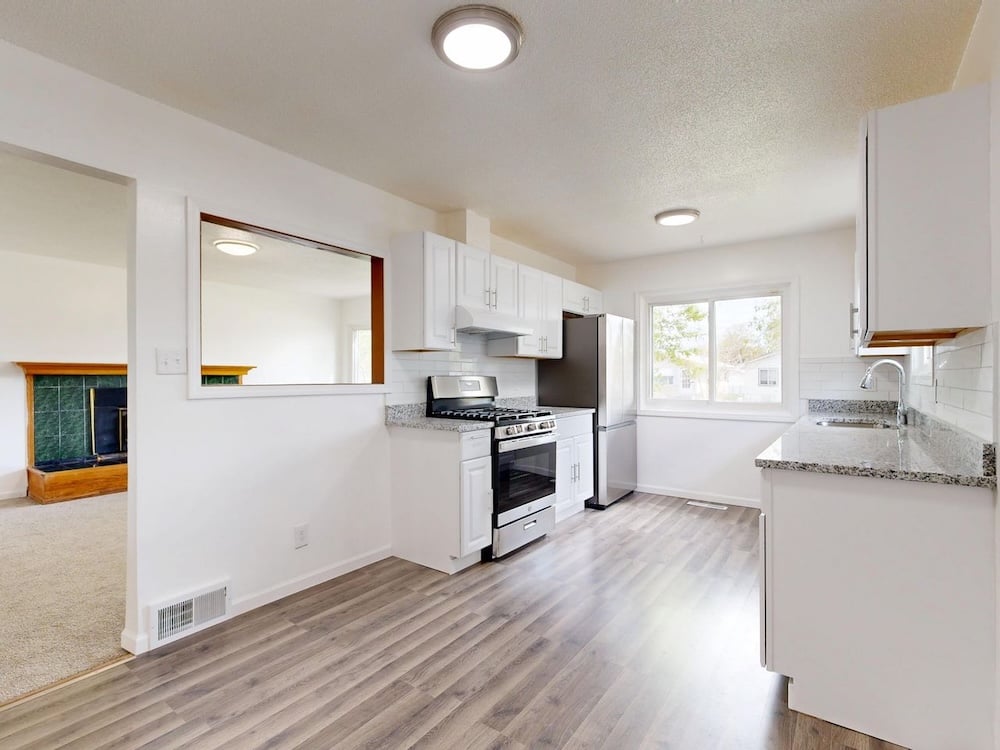
Photo credit: Peter Vang on Pexels
Your Kitchen Layout Controls More Than You Think
A kitchen remodel usually starts with surfaces and colors in your mind. Then reality steps in. The layout has the biggest effect on how the room functions, and it can either help your routine or quietly sabotage it.
Think about the daily traffic pattern. If someone unloading groceries blocks the dishwasher, and another person can’t reach the fridge without doing a little sidestep routine, your layout has issues.
Storage Should Match the Way You Actually Live
Good storage is not about having more cabinets. It’s about having the right kind of storage in the right spots. That’s the difference between a kitchen that looks tidy for one photo and one that stays usable every day.
Deep drawers for pots can work better than lower cabinets with dark corners that swallow lids whole. Pull-out spice storage near the stove saves steps. Vertical dividers for baking sheets keep things from turning into a clattering metal avalanche.
You should also think in terms of habits. If you make smoothies every morning, appliance storage near an outlet matters. If your counters collect school forms and keys, a small built-in drop zone may earn its keep fast.
Getting that level of detail right usually calls for someone who has solved the same puzzle in dozens of houses, which is why a local Bellevue kitchen remodeling company is worth bringing in before you settle on a cabinet layout.
Materials Matter Most When Life Gets Messy
It’s easy to fall for a beautiful slab or a trendy finish online. Real life is less glamorous. Spills happen. Oil splatters. Someone sets down a hot pan where they shouldn’t. The dog shakes water across the floor. Materials need to survive actual use, not just mood boards.
Quartz counters are popular for a reason. They’re durable and relatively low maintenance. Hardwood floors look great, but in kitchens they need more thought because moisture and constant traffic can wear them down faster. Tile is resilient, though grout maintenance deserves a spot in your planning.
Cabinet finishes matter too. Matte surfaces can hide fingerprints better than glossy ones, which is useful if your household includes kids or enthusiastic snack hunters. When choosing materials, ask less about what looks expensive and more about what still works after three years of weeknight chaos.
Lighting Can Fix a Surprisingly Large Number of Problems
A kitchen with bad lighting can feel awkward even if everything else is well designed. You need more than one ceiling fixture and a hopeful attitude. Effective kitchen lighting usually comes from layers.
Ambient lighting handles overall visibility. Task lighting, like under-cabinet fixtures, helps with chopping and cooking. Accent lighting adds warmth and dimension, especially in open spaces where the kitchen connects to dining or living areas.
This is where practical design beats guesswork. Pendant lights over an island may look sharp, but if they cast shadows on your prep area, they’re not doing their job. Dimmer switches help the room shift from meal prep mode to evening hangout mode without feeling clinical.
Natural light matters too. If your remodel includes window changes or sightline improvements, the whole room can feel bigger and more welcoming. Few upgrades punch above their weight like lighting that actually supports how you use the space.
Remodeling Costs Make More Sense When You Tie Them to Function
Kitchen remodel budgets can rise fast, sometimes with Olympic-level confidence. Cabinets, labor, electrical work, plumbing updates, permits, and finish selections all stack up. The smartest way to approach cost is to connect spending decisions to function and longevity.
If your existing layout works, keeping plumbing and gas lines where they are may save a substantial amount. If your kitchen has chronic workflow issues, moving key elements could be worth the added expense.
Spending more on drawer hardware that gets used ten times a day often makes more sense than splurging on a detail that only photographs well.
The Best Remodels Balance Style, Resale, and Real Life
A successful kitchen remodel feels personal without becoming so specific that it turns future buyers into confused spectators. If resale matters, aim for choices with broad appeal and practical value.
That doesn’t mean your kitchen has to look generic. It means grounding style in solid design decisions. Neutral cabinets, durable countertops, and quality lighting tend to age well. You can add personality through hardware, stools, paint, or decor that is easier to update later.
It’s also worth thinking about how long you plan to stay. If this is your long-term home, prioritize the features that make your life easier now. If a move may happen within a few years, focus on updates that improve both usability and market appeal.
A Thoughtful Remodel Changes the Feel of Home
When people talk about kitchen remodels, they often focus on property value or before-and-after photos. The bigger shift is more personal. A well-designed kitchen can reduce stress, improve organization, and make everyday tasks feel smoother.
You notice it in small moments. Fewer bottlenecks during dinner prep. Better storage that keeps counters clear. Lighting that lets the room work early in the morning and late at night. Those details build a kitchen that supports your life instead of constantly asking for workarounds.
If you’re planning a remodel, keep your attention on daily function first and style second. The polished finishes matter, sure. The real win is creating a space that fits the way you live, not the way a showroom suggests you should.