This post may contain affiliate links and/or editorial content. Please read our disclosure for more information.
Two-wheelers are an essential part of daily mobility across India. These vehicles offer convenience and affordability for millions of riders. Besides this convenience, you must obey the legal responsibility of having third-party liability coverage. It is not just a legal requirement, but it also holds a crucial aspect for public safety.
In this context, we’ll discuss the importance of third-party motor insurance and the main legal obligations that riders should follow.

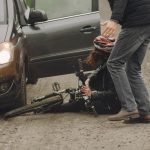
Photo by Manki Kim on Unsplash
What is Third-Party Liability Insurance for Two-Wheelers?
The third-party liability insurance provides financial coverage to any third party for bodily injury or property damage caused by your vehicle. It does not cover your own vehicle. This motor coverage is mandated by the Motor Vehicles Act 1988, which states that any vehicle running on individual roads must have third-party coverage.
Legal Basis
There are multiple sections of the Motor Vehicles Act 1988, each of which has its own significance. The top three sections of this legislative rule are as follows:
Legal Provision | Clauses |
Section 146 | No bike can be used without a valid third-party cover. |
Section 147 | Covers death or injury to a third person, and damage to third-party property up to ₹7.5 lakh. |
Section 196 | Driving without third-party coverage can lead to a fine of up to₹2,000 and/or imprisonment of up to 3 months for the first offense. |
The property damage limit of ₹7.5 lakh applies only to third-party property. There is no upper limit for third-party bodily injury or death.
What Are the Legal Obligations for the Rider?
When you purchase new bike insurance online or offline, it is mandated by the law that every two-wheeler rider should have a minimum of 5 years of third-party coverage. Besides that, the following are a few more obligations you must follow:
- Even if your vehicle is parked for a longer duration and not in use, you should have third-party coverage.
- Once the policy expires, there is no grace period for riding the vehicle without third-party coverage.
- If you are selling your bike, the third-party liability coverage must be transferred to the new owner. Otherwise, liability remains with the previous owner.
Smart Rider’s Checklist for Maintaining Legal Obligation
In order to stay legally compliant while driving your bike or scooter on Indian roads, here’s what you need to do:
- Verify the third-party motor coverage policy expiry date on your bike insurance certificate (physical or digital).
- Set a reminder of 30 days before the policy expiry date and renew it without any further delay.
- Always carry a printout and digital copy of the certificate when you’re riding.
- If you’ve purchased a used bike, then check if the previous owner’s third-party cover is still valid or transferred to your name.
Moving Beyond Legal Compliance With Comprehensive Cover
While the third-party coverage fulfills the legal requirement, own damage cover is equally important. For that reason, many insurers provide riders with comprehensive motor insurance policies. These policies cover your bike or scooter from:
- Accidents
- Fire & Explosion
- Theft
- Calamities
- Personal Accident
- Third Party Liabilities
The Power of Add-ons
Add-ons are additional coverage that increases the scope of coverage for base motor coverage policies. Besides providing the base cover, comprehensive policies come with multiple add-ons. Some of which include:
- Emergency Assistance Cover: Under this cover, insurers offer you 24/7 services with emergency breakdown services.
- Return to invoice Cover: Motor vehicles value depreciates over time. However, this add-on lets you get the cost of your bike or scooter as mentioned on your invoice, if it is lost, stolen or entirely damaged.
- Cost of Consumables: Consumables items (such as bolts, pipes, nuts, engine oil, grease, etc) are usually exempt from motor insurance policies. This cover provides you with complete coverage, including the consumables used for your vehicle when making a claim.
Moreover, insurers such as HDFC ERGO provide policyholders with comprehensive coverage and a diverse range of add-ons. They also have a wide network of 2,000+ cashless garages for bike repairs.
Final Thoughts
The third-party motor coverage is a mandatory policy. Every vehicle on Indian roads must have this policy. It protects against third-party bodily injury or damage caused by your vehicle. As this policy does not provide its own vehicle coverage, an ideal alternative is comprehensive bike insurance. These policies provide extensive coverage for your vehicle along with third-party coverage.