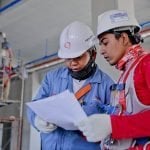
In the world of business, safety isn’t always straightforward. Workplaces can be complicated, with lots of moving parts and potential risks. This makes keeping everyone safe a real challenge.
But it’s a challenge businesses must face. Every worker deserves to go home safe and sound at the end of the day. That’s why it’s so important to understand the risks and take steps to prevent accidents.
Let’s explore some common safety challenges in complex work environments and discover simple ways to make sure everyone stays protected.
Common Safety Challenges in Complex Work Settings
Complex workplaces often face multiple hazards at once. For example, a factory might have machinery that could cause injuries, dangerous chemicals, and high places that require working at heights. These hazards coexist, making it crucial to address each to keep everyone safe.
In environments like construction sites or manufacturing plants, conditions can change rapidly. One day, the risk might be from electrical installations; the next, it could be from structural changes. This constant change means risks can appear unexpectedly.
Human error is also a significant factor in workplace accidents. Even with the best safety systems in place, mistakes can happen. Understanding why these errors occur and working on strategies to reduce them is important.
Strategies for Tackling Safety Challenges
Safety in the workplace is essential, but tackling it doesn’t have to be complicated. Let’s break down some effective strategies that can help you manage safety challenges effectively:
Investing in Safety Training and Education
Investing in safety training and education is crucial for keeping a workplace safe. This is especially true for businesses that use scissor lifts and boom lifts. Proper training can prevent accidents and improve how efficiently tasks are completed.
For example, consider the IPAF operator training course online. This course is designed specifically for those who operate aerial work platforms, such as Mobile Elevating Work Platforms (MEWPs). During the course, employees learn the safest ways to operate these machines. They also learn how to choose the right equipment for the job and how to inspect the machines to ensure they are safe to use.
Regular training like this is important because it helps employees stay updated with safety standards and new equipment. It also reinforces the importance of safety in the workplace, making it a regular part of the workplace conversation.
Conducting Thorough Risk Assessments
Conducting thorough risk assessments is key to keeping any workplace safe, especially in complex environments. The process involves several important stages:
- Identifying Hazards – Start by spotting anything that could potentially cause harm. This could be anything from exposed wires to slippery floors or even ergonomic issues that could lead to strain injuries.
- Analyzing Hazards – Once you know the dangers, consider how they could harm someone and how severe the injury could be. This helps you understand which risks are the most urgent.
- Evaluating Risks – Next, decide how likely each hazard could cause harm. This helps you prioritize which issues to address based on their potential impact.
Continuous assessment is crucial. Workplaces change—new equipment, procedures, or people can introduce new risks. Regularly revisiting and updating your risk assessment ensures that no new hazards have been overlooked and that all your safety measures are up to date.
Leveraging Technology and Automation
Technology has become a game-changer in keeping workplaces safe, especially in industries with higher risk. Tools like sensors are like the eyes and ears of a safety system. They can detect anything unusual, such as high temperatures, smoke, or toxic gases, long before these become serious hazards.
Other than that, there are monitoring systems that constantly watch the workplace. They track everything from where people are to how machines are functioning. If something goes wrong, these systems alert managers immediately so they can handle the situation. This constant vigilance helps maintain a safe environment without manually checking each detail.
By integrating these technologies, businesses can create a safer workplace where employees are protected.
Implementing Robust Safety Protocols
Creating strong safety protocols is key to keeping a workplace safe. First, it’s important to understand the specific needs of your workplace. Each setting is different, and what works for one might not work for another.
Once you have your safety protocols, the next big step is training. Everyone in the workplace needs to know these rules and understand why they’re important. Training shouldn’t be a one-time thing. Regular refreshers help keep safety at the forefront of everyone’s mind.
Clear communication is also crucial. Make sure that the safety protocols are easy to access and understand. Use simple language and clear instructions. Signs and posters can help remind everyone of the key points. Also, encourage a culture where people feel comfortable asking questions if they’re unsure about a procedure.
Final Words
So, remember, safety isn’t just about rules; it’s about looking out for each other. When everyone works together to spot problems and follow the right steps, even the trickiest workplaces can be safer. Let’s keep learning, keep improving, and make sure everyone goes home safe every day.
Full disclosure: She Owns It partners with others through contributor posts, affiliate links, and sponsored content. We are compensated for sponsored content. The views and opinions expressed reflect those of our guest contributor or sponsor. We have evaluated the links and content to the best of our ability at this time to make sure they meet our guidelines. As links and information evolve, we ask that readers do their due diligence, research, and consult with professionals as needed. If you have questions or concerns with any content published on our site, please let us know. We strive to only publish ethical content that supports our community. Thank you for supporting the brands that support this blog.