This post may contain affiliate links and/or editorial content. Please read our disclosure for more information.
Replacing a furnace is a costly item in any home. Awareness of costs can inform homeowners’ decisions. Here is a guide to some of the expenses you should consider.
Initial Purchase Price
The most apparent expense for a furnace replacement is the cost of a new furnace itself. Although high-efficiency models are generally pricier upfront for furnace replacement in Cincinnati, they may save you enough on energy bills to offset the cost difference over time.
Installation Fees
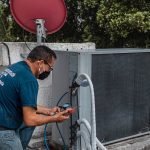
Have it installed professionally for safety and efficiency. Installation costs can range dramatically depending on the location and complexity of the job. Of course, some homes will also require additional work, such as updating the ductwork or electrical systems.
Removal and Disposal
Disposing of and removing the old furnace is another cost. Most contractors will include this as part of their service, but it’s always a good idea to double-check. You may need to pay an additional fee, as disposal must comply with local regulations.

Photo credit: Freepik
Energy Efficiency Considerations
While more expensive, high-efficiency furnaces can result in savings on the energy bill. There are specific considerations for evaluating upfront costs vs overall savings during a long-term investment. There’s also the possibility of rebates or tax incentives if you purchase a more energy-efficient model.
Additional Equipment
Some installations require additional equipment. This could involve items such as thermostats, air purifiers, or humidifiers. Each one increases the efficiency of the system but also its base price. It is important to consider the value of these additional extras.
Ductwork Modifications
The furnace must be compatible with the existing ductwork. Changes or fixes may be necessary, particularly in older homes. This could also be a significant cost, so budgeting for this is essential.
Warranty and Maintenance
While repairs are hardly worrisome, they generally involve additional costs, such as the expense of purchasing warranties. An extended warranty can provide valuable long-term coverage. Annual fees will also include regular maintenance that is essential to ensure that the furnace functions optimally and lasts a long time.
Permit and Inspection Fees
Many local rules also require an inspection to install a furnace. These fees may vary by locale and the particulars of the installation. Ensuring adherence to all regulations will prevent complications down the road.
Seasonal Timing
Furnace replacement cost can be affected by the time of year, whether it is winter or summer. Depending on the time of year, you can request an off-season installation, which often offers discounts due to lower demand. If done right, you can save some bucks to plan for its replacement.
Financing Options
Many companies offer payment plans to finance their products. Having an understanding of the interest rates and terms will save you financial headaches later on. Comparing offers from multiple providers can help you find the best choice.
Hidden Costs
The replacement will also have a few additional costs you may not have planned for. This could include unexpected repairs or the need to update to comply with safe practices. Therefore, it is prudent to have a contingency fund ready to address these unforeseen events.
Seeking Professional Advice
It can be helpful to ask a heating professional. They can assist in evaluating requirements, suggesting appropriate models, and giving accurate quotes. They make the process of replacement smooth sailing.
Conclusion
When it comes to furnace replacement, there is more at play than just simply purchasing a new unit. The overall cost includes the purchase price, as well as expenses related to installation, additional equipment, and ongoing maintenance. Taking these factors into consideration allows homeowners to budget appropriately and have a successful replacement. Such consideration will make for a more comfortable home, but will also make for a far more efficient home as well from an energy usage perspective.
She Owns It partners with others through contributor posts, affiliate links, and sponsored content. We are compensated for sponsored content. Our disclosure page outlines the details. The views and opinions expressed reflect those of our guest contributor, interviewee, or sponsor. We have evaluated the links and content to the best of our ability at this time to make sure they meet our guidelines. As links and information evolve and change, we ask that readers do their due diligence, research, and consult with professionals as needed.
The publication of Content on the site does not constitute an endorsement by She Owns It. If you have questions or concerns about any content published on our site, please let us know. We strive only to publish ethical content that supports our community. Thank you for supporting the brands that support this blog.