Post may contain affiliate links and/or editorial content.
A comfortable home feels steady, warm, and welcoming no matter the weather. When temperatures shift through the seasons, energy-efficient systems help maintain that balance without adding strain to monthly bills. In Somers, MT, winters often bring crisp air and snow, while summers stay mild and pleasant. Those conditions make energy performance a year-round focus for homeowners who want consistent comfort.
Smart upgrades have made it possible to create homes that feel better while consuming less power. These modern solutions enhance heating, cooling, and lighting efficiency through thoughtful design and technology. They reduce waste, improve air quality, and make each space feel more livable. Today, we’ll explore practical upgrades that improve both comfort and energy savings.

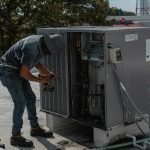
Photo by José Andrés Pacheco Cortes on Pexels
1. Use Smart Thermostats for Smarter Temperature Control
Smart thermostats bring convenience and savings together through intelligent automation. These devices track household patterns and adjust heating or cooling schedules based on when people are home. Once programmed, the thermostat maintains consistent comfort levels while minimizing energy use during idle hours.
Many models connect to Wi-Fi, allowing homeowners to manage settings through phone apps or voice assistants. Some track real-time energy use and share reports that help identify better temperature ranges for efficiency. A smart thermostat gives homeowners control and insight, turning small daily adjustments into long-term energy savings.
2. Upgrade to a High-Efficiency HVAC System
A reliable HVAC system keeps the entire home comfortable through temperature extremes. Over time, older systems lose efficiency as parts wear down and airflow weakens, which often leads to uneven heating and higher energy bills. High-efficiency models solve those issues through variable-speed motors, advanced compressors, and precise temperature control that maintains consistent comfort across every room.
In colder areas such as Somers, MT, efficient heating systems make a significant difference in how a home feels during long winter months. Professional installation ensures that every component performs as designed. A qualified technician offering heater replacement in Somers, MT can ensure your new system runs efficiently and keeps your home warm through the coldest months.
3. Improve Insulation for Year-Round Comfort
Insulation acts as a barrier that keeps heat where it belongs. During winter, it helps retain warmth inside the house; during summer, it prevents excess heat from entering. Without proper insulation, heating and cooling systems must work harder, which raises energy consumption.
Upgrading insulation in attics, walls, and crawl spaces can transform how a home feels. Materials such as spray foam, fiberglass batts, or blown-in cellulose each offer benefits depending on the layout and climate.
4. Replace Old Windows with Energy-Efficient Models
Windows often determine how well a home keeps its warmth or coolness. Traditional single-pane windows tend to allow heat transfer and drafts, which makes indoor temperatures fluctuate. Replacing them with double- or triple-pane models helps maintain comfort and reduces the demand on heating and cooling systems.
Energy-efficient windows feature low-emissivity coatings and gas-filled layers that improve insulation performance. Tight seals prevent air leaks and help maintain a balanced indoor climate. Beyond savings, these upgrades create a quieter, brighter, and more inviting living space.
5. Install LED Lighting Throughout the Home
Lighting is an easy place to begin saving energy. LED bulbs use a fraction of the electricity that traditional bulbs consume and can last for many years before replacement. Their design allows for adjustable brightness and tone, creating light that feels more natural and comfortable.
LEDs stay cool to the touch and deliver steady illumination without flickering. They work well in every area of the home, from kitchens to bedrooms, and even outdoors. Switching to LEDs lowers utility costs and supports an energy-efficient lifestyle with minimal effort.
6. Add Energy-Efficient Water Heating Solutions
Water heating uses a large portion of household energy, yet many systems waste power by keeping water hot all day. Newer water heating options solve that issue with smarter technology. A tankless water heater produces hot water only when needed, avoiding standby heat loss. Heat pump models move warmth from the air or ground into the water, which cuts energy use even further.
Choosing the right system depends on household size, water usage, and space. Tankless heaters fit well in smaller homes or for families that value instant hot water without storage tanks. Heat pump systems work efficiently in moderate climates and can handle higher demand. Both choices lower monthly costs and provide steady, reliable comfort during showers, laundry, and dishwashing.
7. Enhance Comfort with Smart Home Integration
Technology now allows homeowners to manage several systems through a single hub. Smart home integration connects lighting, heating, cooling, and even window shades to work together automatically. This setup fine-tunes comfort and cuts energy waste without constant manual adjustments.
For example, lights can dim when natural sunlight fills the room. Thermostats can adjust when motion sensors detect no activity. Automated window shades can lower during hot afternoons to keep rooms cooler. These small interactions create a living environment that feels consistent and calm. This level of coordination helps maintain comfort effortlessly while trimming unnecessary energy use.
8. Seal Air Leaks and Optimize Ventilation
Even small gaps around doors, windows, and ducts can lead to significant energy loss. Air leaks make heating and cooling systems work harder to maintain stable indoor temperatures. Sealing those gaps creates an immediate improvement in comfort and efficiency.
Weatherstripping, caulking, and foam sealants block unwanted drafts and reduce strain on HVAC systems. Checking ductwork is just as important. Poorly sealed ducts allow conditioned air to escape into attics or crawl spaces, wasting both energy and money. Balanced ventilation is another part of creating an efficient home. Proper ventilation replaces stale air while keeping indoor heat levels steady. Energy recovery ventilators (ERVs) or heat recovery ventilators (HRVs) exchange indoor and outdoor air efficiently, preserving warmth during winter and coolness during summer.
Comfort and energy savings can exist side by side with the right upgrades. Each improvement contributes to a balanced and efficient home. Together, these changes create living spaces that stay comfortable through seasonal shifts while using energy responsibly.
Upgrading step by step makes the process more manageable. Starting with insulation or lighting is often simple and delivers quick results. Adding advanced systems like smart thermostats or high-efficiency HVAC units takes comfort to the next level. Over time, the savings offset the investment, and the home becomes easier to maintain.
She Owns It partners with others through contributor posts, affiliate links, and sponsored content. We are compensated for sponsored content. The views and opinions expressed reflect those of our guest contributor or sponsor. We have evaluated the links and content to the best of our ability at this time to make sure they meet our guidelines. As links and information evolve, we ask that readers do their due diligence, research, and consult with professionals as needed. If you have questions or concerns about any content published on our site, please let us know. We strive only to publish ethical content that supports our community. Thank you for supporting the brands that support this blog.