This post may contain affiliate links and/or editorial content. Please read our disclosure for more information.
If you’ve been washing your vehicle the old-fashioned way—bucket, sponge, and elbow grease—you might be wondering if there’s a better method. Enter the foam cannon: the tool that’s changing how vehicle owners tackle tough grime. But is it really worth the investment, or should you stick with what works?
Let’s break down the difference between foam cannons and traditional car washing so you can decide which method is right for you.
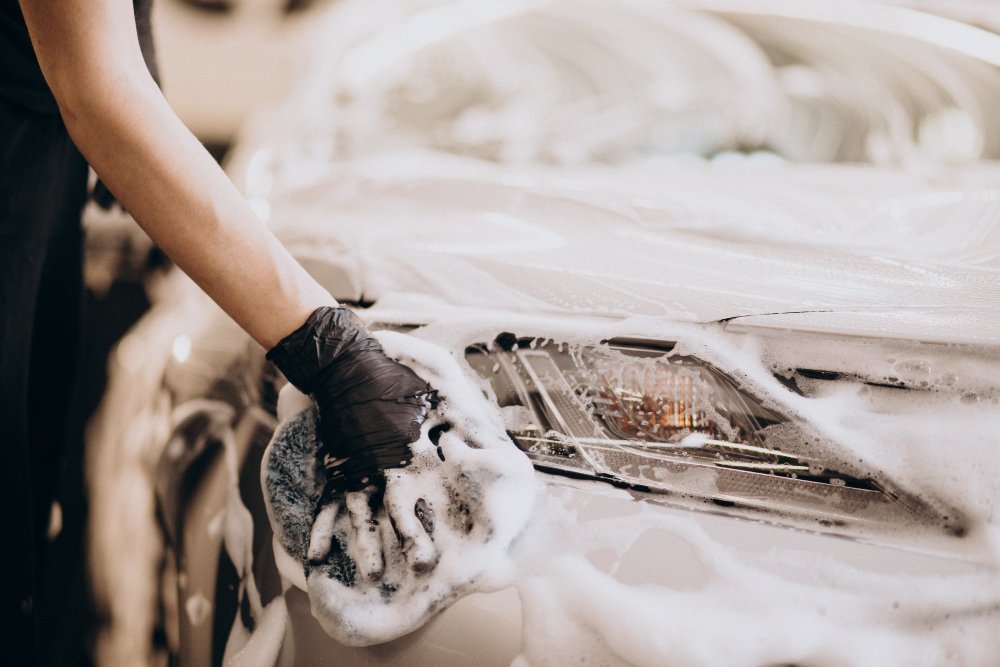
Photo credit: Freepik
What Is a Foam Cannon?
A foam cannon is a pressure washer attachment that mixes water, air, and soap to create thick, clinging foam. Unlike a bucket wash, the foam cannon covers your entire vehicle in soap within seconds, allowing the cleaning solution to dwell on the surface and break down dirt, grime, and road film before you ever touch the paint.
The key advantage? The foam does most of the work for you, loosening contaminants so they’re easier to rinse away without aggressive scrubbing.
Traditional Car Wash: The Bucket Method
The traditional bucket wash has been around forever because it’s simple: fill a bucket with soapy water, grab a mitt or sponge, and scrub your vehicle section by section. It’s effective if done correctly with the two-bucket method (one for soap, one for rinsing), but it’s also labor-intensive and time-consuming.
For vehicles that see heavy use—mud, road salt, diesel soot, or job site grime—the bucket method can mean a lot of scrubbing to get everything clean.
Foam Cannon vs Bucket Wash: The Key Differences
1. Cleaning Power
Foam Cannon: The thick foam clings to vertical surfaces and dwells longer than traditional soap, giving it more time to break down stubborn contaminants. This is especially useful for vehicles with caked-on mud or road grime. The foam penetrates into crevices, wheel wells, and hard-to-reach areas that a mitt might miss.
Traditional Wash: Relies on mechanical agitation (scrubbing) to remove dirt. While effective, it requires more physical effort and multiple passes over heavily soiled areas.
Winner: Foam cannon for heavy-duty cleaning with less effort.
2. Time Efficiency
Foam Cannon: You can foam an entire vehicle in under a minute. The dwell time (letting the foam sit) does the work while you move on to other tasks or just wait for the soap to do its job. Rinsing is equally fast with a pressure washer.
Traditional Wash: Washing a full-size vehicle with a bucket can take 30-45 minutes of active scrubbing, rinsing your mitt, and working section by section.
Winner: Foam cannon saves significant time.
3. Scratch Prevention
Foam Cannon: The thick foam acts as a lubricant, lifting dirt away from the paint before you touch it. When you do use a wash mitt after foaming, there’s less risk of dragging contaminants across the clear coat and causing swirl marks or scratches.
Traditional Wash: If you don’t rinse thoroughly before scrubbing, dirt particles can get trapped in your mitt and scratch the paint. Even with the two-bucket method, there’s more risk of paint damage from mechanical agitation.
Winner: Foam cannon is gentler on paint.
4. Water Usage
Foam Cannon: Pressure washers use less water than a hose because of the high pressure. A typical foam cannon wash uses 5-10 gallons of water, compared to 20-30+ gallons with a traditional hose-and-bucket setup.
Traditional Wash: Requires filling buckets, running a hose continuously, and multiple rinses, leading to higher water consumption.
Winner: Foam cannon is more water-efficient.
5. Soap Application
Foam Cannon: Distributes soap evenly across the entire vehicle, ensuring consistent coverage. The foam-to-water ratio is controlled by the cannon, so you’re using the right amount of soap every time.
Traditional Wash: Soap concentration can vary depending on how much you add to the bucket, and coverage can be uneven if you’re not careful.
Winner: Foam cannon for consistent soap application.
6. Cost and Equipment
Foam Cannon: Requires a pressure washer and a foam cannon attachment. If you don’t already own a pressure washer, the upfront cost is higher. However, quality foam cannons are relatively affordable and built to last.
Traditional Wash: Minimal equipment needed—just buckets, soap, and a mitt. Low initial cost, but the ongoing time investment adds up.
Winner: Traditional wash for low upfront cost; foam cannon for long-term value.
Which One Is Better for Your Vehicle?
The answer depends on how you use your vehicle and how often it gets dirty.
Choose a foam cannon if:
- Your vehicle sees heavy use (mud, off-roading, construction sites, winter road salt)
- You want to save time without sacrificing cleaning quality
- You already own or plan to invest in a pressure washer
- You care about protecting your paint from scratches and swirl marks
- You wash your vehicle frequently and want an efficient process
Stick with traditional bucket wash if:
- You’re on a tight budget and don’t have a pressure washer
- Your vehicle stays relatively clean and doesn’t accumulate heavy grime
- You prefer a hands-on, detail-oriented approach
- You enjoy the process and don’t mind spending extra time
The Bottom Line
For most vehicle owners—especially those who work their vehicles hard—a foam cannon is the better choice. It’s faster, more effective on heavy grime, gentler on paint, and uses less water. The initial investment in a pressure washer and foam cannon pays off in time saved and superior cleaning results.
If your vehicle battles mud, road salt, job site dust, or diesel soot regularly, upgrading to a foam cannon setup makes wash day faster and easier without compromising results. For those looking for quality equipment built to handle tough jobs, US companies like 13 Supplies offer foam cannons specifically designed for heavy-duty use.
Whether you choose foam or stick with the bucket, the most important thing is regular washing to protect your vehicle’s finish and keep it looking its best.