Trucking is the backbone of commerce, moving goods across vast distances. With this constant activity comes the inherent risk of accidents, which, by the way, is quite concerning in the USA. A total of 523,796 large truck accidents occurred in 2021 alone.
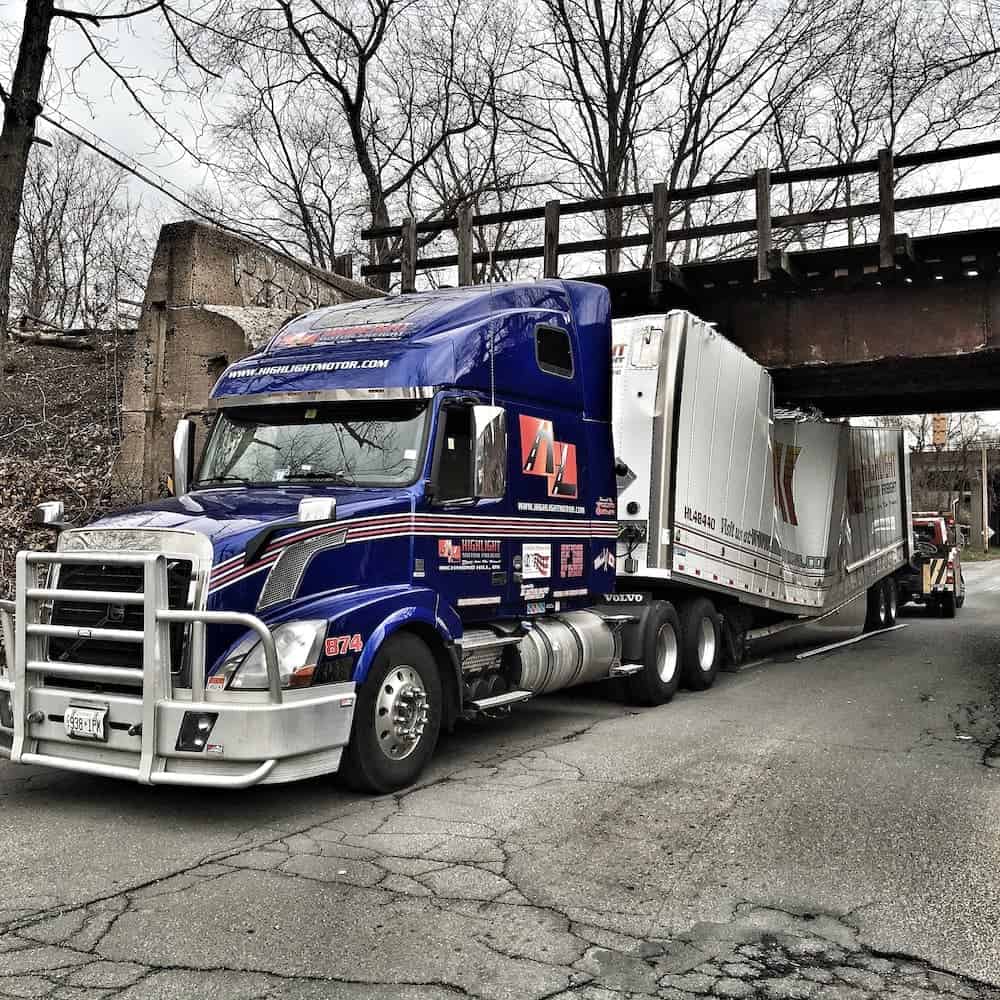
Therefore, trucking insurance is an essential safeguard for truck owners and operators.
Filing a truck accident insurance claim may seem daunting, especially after dealing with the stress of an accident. However, understanding the process beforehand can make it much smoother.
This guide will walk you through the step-by-step procedure for filing a trucking insurance claim, ensuring you’re well-prepared for the unexpected.
Understanding Trucking Insurance Coverage
Before delving into the claims process, it’s crucial to understand the basics of trucking insurance. Coverage typically includes:
- Primary Liability Coverage: Covers injuries or damages caused by the truck driver to others in an accident.
- Physical Damage Coverage: Protects your truck in case of vandalism, or collision.
- Cargo Insurance: Cargo insurance covers the goods being transported in the event of natural disaster, damage, or loss.
- Bobtail Insurance: Covers the power unit when it’s not hauling a load or trailer.
- Non-Trucking Liability Insurance: Offers liability coverage when the truck is operated for non-business purposes.
Knowing the type of coverage your policy provides will ensure you’re clear on what’s included when filing a truck accident insurance claim.
How to File A Trucking Insurance Claim?
Accidents happen, and when they do, knowing how to file a claim efficiently can save you time and frustration. The process may differ slightly between insurance companies, but the following steps are generally consistent.
1. Assess the Situation and Gather Information
Immediately after the accident, the safety of everyone involved should be the top priority. Once the situation is stable:
- Document everything. Take photographs of the damage to both vehicles, any visible injuries, road conditions, and other relevant factors like weather and traffic signs.
- Exchange information with the other drivers or people involved, including their names, contact details, insurance information, and license plate number.
- Collect witness statements if possible, as these can serve as crucial evidence during the claims process.
This initial documentation will support your trucking insurance claim, helping the insurance company assess the accident accurately.
2. Notify Your Insurance Company Immediately
Once the situation has been handled, notify your insurance company as soon as possible. Prompt notification helps the insurer start the claims process early and can prevent potential delays in coverage. When contacting the company, provide them with:
- Your policy number
- Details about the accident (time, location, and description)
- Information about the other driver(s) involved
- Police report, if available
Filing a timely truck accident insurance claim ensures your insurer has enough time to investigate and process the claim without complications.
3. Complete the Necessary Claim Forms
After notifying the insurer, you will likely be required to fill out claim forms. These documents are essential in providing the insurance company with a clear picture of the accident, damages, and costs.
Make sure you:
- Double-check all the details before submitting the forms
- Attach all necessary supporting documents, such as photos, repair estimates, and medical reports
Your insurance agent or claims adjuster can help you complete these forms to avoid any mistakes that could slow down the process.
4. Cooperate with the Claims Adjuster
Once the claim is filed, a claims adjuster will be assigned to your case. Their job is to investigate the accident, assess the damages, and determine the amount of compensation owed. To ensure a smooth process:
- Be available for questions and provide any additional information or documentation they may request.
- Allow them access to inspect the vehicle if required.
Cooperation with the adjuster is crucial in getting a timely and fair resolution to your trucking insurance claim.
5. Understand Your Settlement Options
You will receive a settlement offer after the claims adjuster completes their investigation. This offer will include compensation for repairs, medical expenses, or other losses covered under your insurance policy. Review the offer carefully and understand your options:
- Accept the offer if it covers the costs satisfactorily
- Negotiate if you feel the compensation doesn’t cover your damages adequately. Be prepared to provide documentation to support your claim
If a dispute arises, many insurance companies offer mediation or arbitration services to resolve issues without the need for legal action.
6. Review and Update Insurance Coverage
After filing a claim, reviewing your trucking insurance coverage is a good time. Trucking is a dynamic industry, and your needs may change over time. Check if you need to:
- Increase liability limits
- Add more comprehensive coverage
- Consider cargo or bobtail insurance if it’s not already included
Adjustments ensure adequate protection against future accidents and help avoid surprises when filing a truck accident insurance claim.
Final Thoughts
Filing a trucking insurance claim doesn’t have to be overwhelming if you know what steps to follow. From gathering information at the accident scene to cooperating with your insurance company, staying organized and proactive is key to a smooth claims process.
Remember to assess your coverage periodically to ensure it meets your needs as your business evolves.
With these steps, you can navigate the claims process confidently and get your truck back on the road as quickly as possible.
Whether you’re a seasoned trucker or new to the industry, understanding the claims process and having the right trucking insurance coverage is essential to safeguarding your livelihood.
Full disclosure: She Owns It partners with others through contributor posts, affiliate links, and sponsored content. We are compensated for sponsored content. The views and opinions expressed reflect those of our guest contributor or sponsor. We have evaluated the links and content to the best of our ability at this time to make sure they meet our guidelines. As links and information evolve, we ask that readers do their due diligence, research, and consult with professionals as needed. If you have questions or concerns with any content published on our site, please let us know. We strive to only publish ethical content that supports our community. Thank you for supporting the brands that support this blog.