This post may contain affiliate links and/or editorial content. See our disclosure statement for details.
Your garage usually ends up doing far more than storing a car. It becomes a drop zone, workshop, gym corner, seasonal storage space, and sometimes the most neglected part of your home. If you want it to function better without committing to a major remodel, you have more leverage than you think. Small upgrades can change how the space handles mess, moisture, wear, and daily traffic while making it easier for you to actually use.
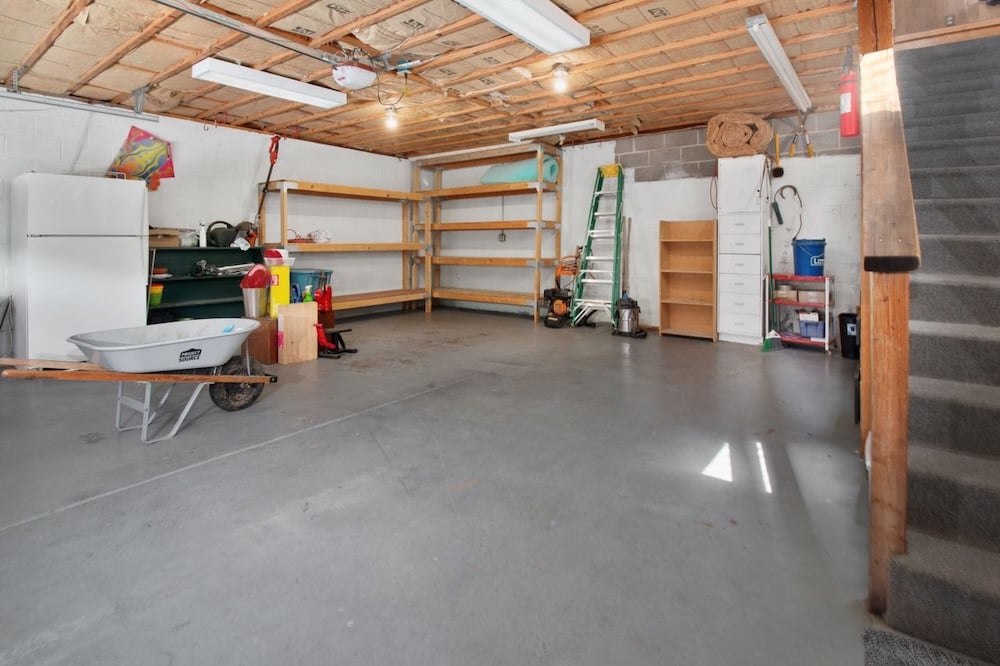
Photo hi room on Pexels
Start by treating your garage like usable square footage
If you look at your garage as a leftover utility box, every decision stays temporary. You keep the weak shelving, the stained floor, and the random pileup near the door. Once you start viewing it as active square footage, your choices get sharper.
You might need space for bikes, power tools, a freezer, sports gear, or a home project bench. Each of those uses puts different stress on the room. A gym setup brings impact and sweat. Storage brings weight. DIY work brings spills, abrasion, and dust.
That shift in mindset matters because performance becomes the priority. You stop asking what looks acceptable and start asking what can tolerate heat, humidity, road salt, dropped tools, and repeated cleanups.
The floor controls more of the room than most people realize
When a garage feels dirty all the time, the floor is usually part of the problem. Bare concrete sheds dust, absorbs stains, and highlights every tire mark. Cracks spread slowly, moisture can move through the slab, and cleanup turns into pushing grime around instead of removing it.
A floor upgrade changes more than appearance. It affects maintenance, indoor air quality, traction, and durability. If you’ve ever swept a garage and still felt like it looked tired ten minutes later, you’ve already seen the limits of untreated concrete.
This is where coating systems matter. A professionally installed garage flooring polyaspartic surface can resist chemicals, impact, abrasion, and hot-tire pickup while curing faster than many traditional alternatives. That makes it a practical performance choice, not just a cosmetic one.
Storage works better when you reduce floor contact
A garage gets easier to manage when fewer things live directly on the slab. Floor-level clutter collects dust, blocks cleaning, traps moisture, and makes the room feel chaotic even when you technically have enough space.
Wall-mounted systems solve several problems at once. Pegboards, track systems, and overhead racks free up circulation space while keeping tools and bins visible. Visibility matters more than people expect. If you can’t see what you own, duplicates start multiplying.
Keep heavy-use items between waist and shoulder height. Store seasonal or backup items higher up. Put anything moisture-sensitive in sealed containers instead of cardboard. Even one simple zoning move, like keeping sports equipment on one wall and lawn gear on another, reduces friction every week.
Good storage isn’t about stuffing more in. It’s about making the room easier to reset after normal life happens.
Moisture is a silent problem that ruins garages slowly
You don’t need standing water for moisture to damage a garage. Humid air, wet tires, snowmelt, and slab vapor transmission can all degrade surfaces and create musty conditions. A garage can look mostly fine while still holding onto enough moisture to weaken paint, warp stored materials, and support mildew.
Pay attention to subtle signs: dark patches on concrete, peeling coatings, rust on lower metal shelves, or that damp smell that lingers after rain. Those clues often point to ventilation issues or poor material choices.
Use weatherstripping where needed, check door seals, and avoid storing fabric or paper goods directly against exterior walls. If your area deals with freeze-thaw cycles, that stress gets amplified. Materials that perform well in conditioned rooms often fail fast in a garage because the temperature swings are far more aggressive.
Lighting changes how safe and useful the space feels
A surprising number of garage frustrations come down to weak lighting. Shadows make it harder to find hardware, spot leaks, sort bins, or use tools safely. One dim ceiling fixture leaves corners underlit and work surfaces almost useless.
Upgrade to bright, even LED lighting with a neutral color temperature. You want broad ambient coverage first, then targeted task lighting over a bench, utility sink, or storage wall. If your garage doubles as a hobby space, this gets even more important.
Motion-sensor lighting near entry points can help when your hands are full. Under-shelf lighting is useful if you store small tools or car-care supplies. The goal isn’t dramatic design. It’s visual clarity.
When you can actually see the space properly, you clean it more efficiently, organize it faster, and use it with less hesitation.
Ventilation and airflow deserve more attention than they get
Garages often hold paint, fuel, fertilizer, cleaning chemicals, and equipment that generate fumes or dust. Even if you only spend short periods in there, stale air builds up quickly, especially in attached garages where air leakage can affect nearby living areas.
Ventilation can be as simple as using an exhaust fan, opening the door strategically during projects, or adding airflow support if the room tends to stay damp. If you do woodworking, detailing, or frequent lawn equipment maintenance, controlling particulates becomes a health issue, not just a comfort issue.
Airflow also supports material longevity. Stored items stay drier. Odors clear faster. Surfaces recover better after wet weather. It’s one of those upgrades people skip because it isn’t visible, yet it influences how the room performs every day.
Think in use cases, not trends
A polished garage on social media often looks great because it is barely used. Your version should match the way you actually live. If you park inside every day, prioritize impact resistance, traction, and edge-to-edge cleanability. If you use the space for projects, focus on lighting, workflow, and storage density.
If your family treats the garage as the real front door, add a landing zone for shoes, bags, and charging. If you’re storing tools, build around accessibility and security. If you want flexible space, keep the center open and push systems to the perimeter.
Useful design starts with friction points. What annoys you now? Puddles under the car, nowhere to hang cords, shelves that sag, a floor that always looks dirty—those are your design brief.
The smartest upgrades are the ones that reduce maintenance
A garage becomes valuable when it asks less from you. That means fewer surfaces that trap dirt, fewer materials that fail under stress, and fewer storage decisions you need to remake every month. Maintenance reduction is one of the clearest signs of a good upgrade.
Choose finishes and systems that can handle the environment you already have instead of fighting it. Durable floor coatings, corrosion-resistant hardware, sealed storage bins, and cleanable wall surfaces all support that goal. You’re building a room that can absorb real life.
Once the basics are working together, the garage stops feeling like a compromise space. It becomes dependable, easier to clean, and far more functional than its square footage suggests. You don’t need a flashy renovation for that. You need deliberate choices that respect how the space gets used.