For parents in San Antonio, Texas, taking a child to the dentist can sometimes become an unexpected struggle. What should be a routine appointment may involve tears, nervous questions, or outright refusal to sit in the dental chair. Even children who are usually confident can become frightened by unfamiliar sounds, equipment, or the possibility of discomfort.
Dental anxiety is common among children, but ignoring it can make future appointments more difficult. Understanding what causes these fears and responding with patience can help families build healthier dental habits. With thoughtful preparation, supportive communication, and appropriate professional care, children can gradually become more comfortable receiving dental treatment.
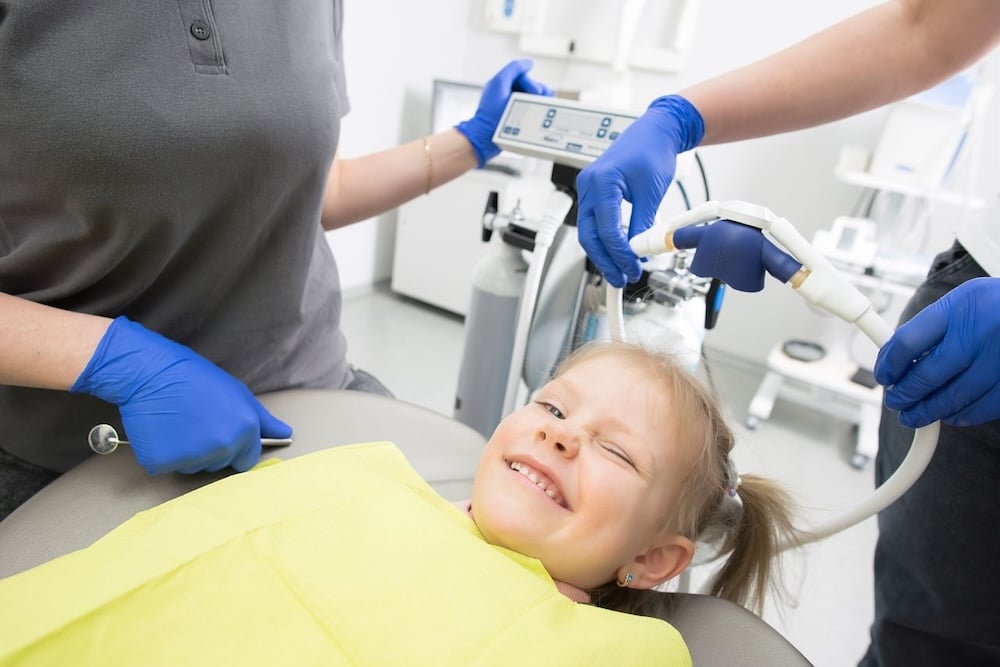
Photo credit: MM Dental on Pexels
Recognize When Your Child Needs Extra Support
Some children express dental anxiety openly, while others show their discomfort through quieter behaviors. They might complain of stomachaches before appointments, repeatedly ask whether treatment will hurt, or become unusually withdrawn.
Recognizing these signs early allows parents to respond before anxiety becomes overwhelming.
A pediatric dentist can assess a child’s emotional readiness alongside their dental needs. For children who experience significant fear or require extensive treatment, additional comfort measures may be appropriate.
Families exploring these options can discuss pediatric sedation dentistry in San Antonio with a qualified dental professional to understand how different approaches may help children tolerate necessary procedures.
Depending on the child’s medical history, anxiety level, and treatment requirements, options may include nitrous oxide, oral sedation, or deeper anesthesia administered under appropriate supervision.
Sedation is not necessary for every anxious child. The decision should follow an individualized evaluation that considers safety, treatment complexity, and less invasive alternatives.
Understand Where Dental Fear Actually Begins
Children rarely develop dental anxiety without some underlying reason. Sometimes, a previous uncomfortable appointment creates lasting apprehension. In other cases, fear develops before the child has ever visited a dentist.
Unfamiliar equipment, bright lights, strange noises, and uncertainty about what will happen can feel intimidating.
Children may also absorb anxiety from adults. When parents describe dental treatment as painful or frightening, even unintentionally, children may approach appointments expecting something unpleasant.
Age and developmental stage also influence these reactions.
Younger children may struggle with separation from parents, while older children might worry about embarrassment or losing control.
Rather than dismissing these concerns, ask your child what specifically feels frightening.
Understanding the source of anxiety makes it easier to offer reassurance that addresses the actual problem instead of relying on vague promises.
Prepare Your Child Without Creating Unnecessary Worry
Preparation can make dental appointments feel more predictable, especially for children who become anxious about unfamiliar experiences.
Begin discussing the visit a few days beforehand using simple, age-appropriate explanations.
Explain that the dentist will count their teeth, check their smile, and help keep their mouth healthy.
Avoid detailed descriptions of procedures unless your child needs that information or asks specific questions.
It is also important to avoid making promises you cannot guarantee, such as insisting that nothing will feel uncomfortable.
Instead, explain that the dental team will help them understand what is happening and respond if something bothers them.
Reading children’s books about dental visits or practicing a pretend checkup at home can help familiarize younger children with the experience.
Keep the conversation calm and practical rather than turning the appointment into a major event.
Give Children Small Choices That Restore Confidence
Dental anxiety often becomes stronger when children feel they have no control over what happens.
Offering appropriate choices can make the experience less intimidating without interfering with necessary treatment.
For example, allow your child to choose which comfortable outfit to wear or which small toy to bring.
During the appointment, the dental team may let them select a toothpaste flavor or agree on a signal for requesting a short pause.
These decisions may seem minor, but they give children opportunities to participate actively.
Parents should also encourage children to communicate when they feel uncomfortable.
A child who knows they can raise a hand or ask questions may feel less trapped by the experience.
However, choices should remain realistic. Avoid suggesting that necessary treatment is optional when it is not.
The goal is to build trust through predictable communication and manageable decisions.
Choose a Dental Environment That Understands Children
The atmosphere of a dental office can influence how children respond to treatment.
A busy waiting room, unfamiliar staff, or overwhelming sensory stimulation may increase anxiety before an examination even begins.
Pediatric dental practices often use child-friendly communication and behavior guidance techniques to help younger patients feel comfortable.
Some children benefit from quieter treatment spaces, additional appointment time, or gradual introductions to unfamiliar equipment.
These accommodations can be particularly helpful for children with autism, sensory processing differences, or developmental disabilities.
Parents should ask how the practice supports anxious patients and whether caregivers can remain involved during treatment.
It is also useful to explain your child’s previous experiences before the appointment.
When dental professionals understand a child’s triggers and communication preferences, they can adapt their approach more effectively.
Know When Comfort Techniques May Not Be Enough
Many children respond well to reassurance, distraction, and patient explanations. However, some experience anxiety severe enough to interfere with essential dental treatment.
In these situations, dentists may discuss additional methods for managing distress.
Nitrous oxide, commonly called laughing gas, can help certain children feel calmer while remaining awake and responsive.
Other forms of sedation produce deeper relaxation and require additional medical evaluation, monitoring, and recovery precautions.
The appropriate approach depends on the child’s age, health, ability to cooperate, and the procedure involved.
Parents should ask about potential risks, available alternatives, the qualifications of the professionals involved, and emergency preparedness.
Sedation should never be treated as a substitute for compassionate communication.
Even when medication is appropriate, children benefit from explanations, reassurance, and respectful treatment.
Respond Carefully After a Difficult Dental Appointment
Not every appointment will go smoothly, even when parents and dental professionals prepare carefully.
A child might cry, refuse treatment, or become upset during an unfamiliar procedure.
How adults respond afterward can influence future experiences.
Avoid criticizing your child for being frightened or comparing their behavior with that of siblings.
Instead, acknowledge what was difficult and recognize any positive steps they managed.
For example, sitting in the dental chair or allowing a brief examination may represent meaningful progress for a highly anxious child.
Ask the dental team what adjustments could make the next visit easier.
Shorter appointments, familiar staff members, or additional preparation may help.
If anxiety remains severe, a pediatric dentist may recommend further behavioral support.
Progress is not always immediate, and one difficult visit does not determine every future experience.
Build Positive Dental Habits Between Appointments
Helping children overcome dental anxiety involves more than managing their behavior inside the dental office.
Daily routines can make oral care feel familiar, predictable, and less threatening.
Encourage regular brushing with age-appropriate fluoride toothpaste and supervise cleaning according to your child’s developmental abilities.
Explain that dental visits help identify problems early, rather than presenting appointments as consequences of poor brushing.
Avoid using dental treatment as a threat when children resist oral hygiene.
Instead, reinforce positive habits through encouragement and consistent routines.
Regular preventive appointments also provide opportunities for children to become familiar with dental professionals during relatively simple visits.
For children with persistent anxiety, maintaining continuity with a supportive dental team can be particularly valuable.
Ultimately, the goal is not to eliminate every nervous feeling before an appointment. It is to help children develop enough trust and confidence to receive necessary care.
With patience, appropriate support, and positive experiences, dental visits can gradually become a manageable part of growing up.