This post may contain affiliate links and/or editorial content. Read our disclosure for more information.
One minute, you are munching on your favorite food options, and the following, there is some sudden or unexpected pain and stress that you will have a fractured or broken tooth. This helps avoid complications by seeking immediate attention from dental professionals. Immediate and effective treatment facilitates recovery, allowing the mouth to return to health after such an incident.
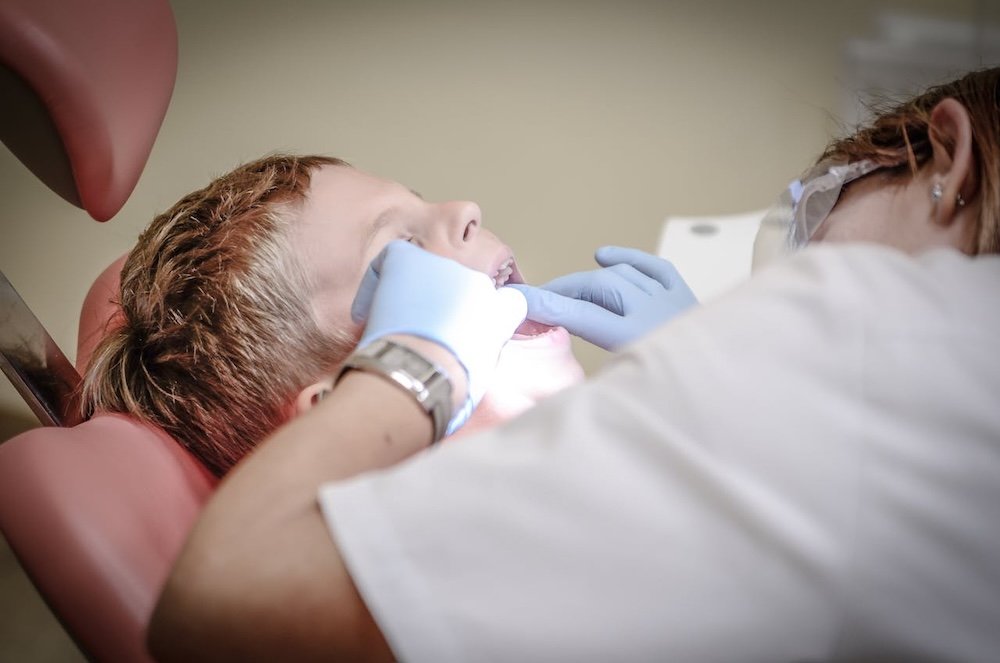
Photo by Pixabay
Recognizing the Problem
A tooth can break while biting down on something hard or be damaged in an accident. A clear sign that it is a dental issue — sensitivity, visible cracks, or sharp pain. Early identification of these signs may alert people to seek immediate assistance and also reduce the chances of complications.
What to Do After a Tooth Is Chipped
Mouth rinsing with lukewarm water cleans the area after breaking a tooth. Cold compress — To reduce swelling, apply a cold compress to the outside of the cheek. If the area bleeds, put a clean cloth or gauze over it with gentle pressure until you can see a professional.
Why Immediate Dental Help Matters
Quick action can avoid an infection and further harm. Waiting for treatment could lead to worse pain or irreversible damage to the surrounding teeth and gums. Emergency dentists are focused on saving the teeth — as opposed to extracting and replacing them — whenever possible, while providing you with the most comfortable and safest treatment possible.
Emergency Dental Assessment
Upon arrival, a dental team performs a comprehensive evaluation. They can take X-rays to measure the degree of the injury. Such an assessment enables professionals to recommend the most suitable treatment for these unique cases.
Pain Management Techniques
Another prime requirement of any emergency dental service is to provide timely measures to ease your pain. Before the procedure, local anesthesia or pain-relieving medications can be administered. For emergency dental services Las Vegas dental anesthesia aims to keep the patient as comfortable as possible during dental treatment, addressing the source of a dental problem.
Temporary Solutions for Immediate Relief
Sometimes these temporary repairs will hold the tooth in place until a longer-term solution can be planned. You may have a temporary barrier, such as dental cement or bonding materials, applied to it. By protecting sensitive zones, it lessens pain and inhibits further breaks.
Permanent Restoration Options
Long-term care usually has more sustainable solutions. Crowns, veneers, and fillings can restore function and appearance. It depends on the severity of the break and the location of the tooth in the mouth.
Preventing Infection After Injury
The broken tooth also becomes a point of entry for bacteria. Emergency dental practitioners clean out the space and, if there is a very high chance of an illness, they could prescribe antibacterial agents. Combined with good oral hygiene at home, this decreases the risk of complications during recovery.
Guidance for At-Home Care
Clear instructions help facilitate healing after critical intervention. Some suggestions include eating soft foods, brushing gently, and avoiding hot or cold foods. These directions promote comfort and encourage boot-up speed.
Monitoring Healing Progress
Multiple returns help dental teams assess healing and ensure good restoration success. These appointments make sure that no issues are hiding in plain sight. Learn: Communication: Patient reassurance and opportunities for questions regarding recovery.
Emotional Support and Reassurance
Dental emergencies can be stressful. Reassuring, compassionate professionals addressing fears and telling patients what will happen at every point in their care. This compassionate method ensures a sense of confidence and tranquility at each step of their treatment.
Supporting Long-Term Oral Health
Once a tooth has been restored, continued care is essential. For healthy teeth, regular check-ups, professional cleaning, and proper brushing techniques are the best alternatives. Prevention reduces the chances of future dental emergencies.
Common Causes of Broken Teeth
Common causes include accidents, sports injuries, and biting complex objects. Additionally, weakened enamel from either decay or previous dental work can contribute. By being aware of these types of risks, individuals can take proactive steps to protect their smiles from harm.
Preventive Measures for the Future
Mouthguards while playing sports, avoiding complex objects, and addressing dental issues promptly are all ways to prevent a second fracture. Regular brushing and flossing also fortify your teeth, reducing their susceptibility to damage in the long run.
Conclusion
Get Broken Tooth Treatment As Soon As Possible. A broken tooth requires you to be in pain along with wreaking your other nerves, but with prompt professional help from an expert dental team, you will be just fine before you know it! Quick treatment, professional intervention, and ongoing care restore comfort and functionality. However, with knowledge of the process and an understanding of preventive measures, anyone can maintain a healthy mouth and be better prepared to deal with an accident if it does occur.
She Owns It partners with others through contributor posts, affiliate links, and sponsored content. We are compensated for sponsored content. Our disclosure page outlines the details. The views and opinions expressed reflect those of our guest contributor, interviewee, or sponsor. We have evaluated the links and content to the best of our ability at this time to make sure they meet our guidelines. As links and information evolve and change, we ask that readers do their due diligence, research, and consult with professionals as needed.
The publication of Content on the site does not constitute an endorsement by She Owns It. If you have questions or concerns about any content published on our site, please let us know. We strive only to publish ethical content that supports our community. Thank you for supporting the brands that support this blog.