This post may contain affiliate links and/or editorial content and is for informational purposes only. Please read our disclosure for more information.
Living with chronic pain changes more than your physical comfort. It affects how you move, work, socialize, and care for yourself. Simple activities such as climbing stairs, carrying groceries, or getting out of bed often become difficult. Over time, these challenges limit independence and reduce quality of life.
Millions of people experience ongoing pain from conditions such as arthritis, back injuries, nerve disorders, and musculoskeletal problems. According to the Centers for Disease Control and Prevention, chronic pain affects roughly one in five adults in the United States. For many, the pain lasts for months or even years.
The good news is that recovery does not always require surgery or long-term medication use. With the right approach, people often improve movement, reduce discomfort, and rebuild confidence in daily activities. Understanding the connection between pain and mobility restoration is the first step toward regaining independence.
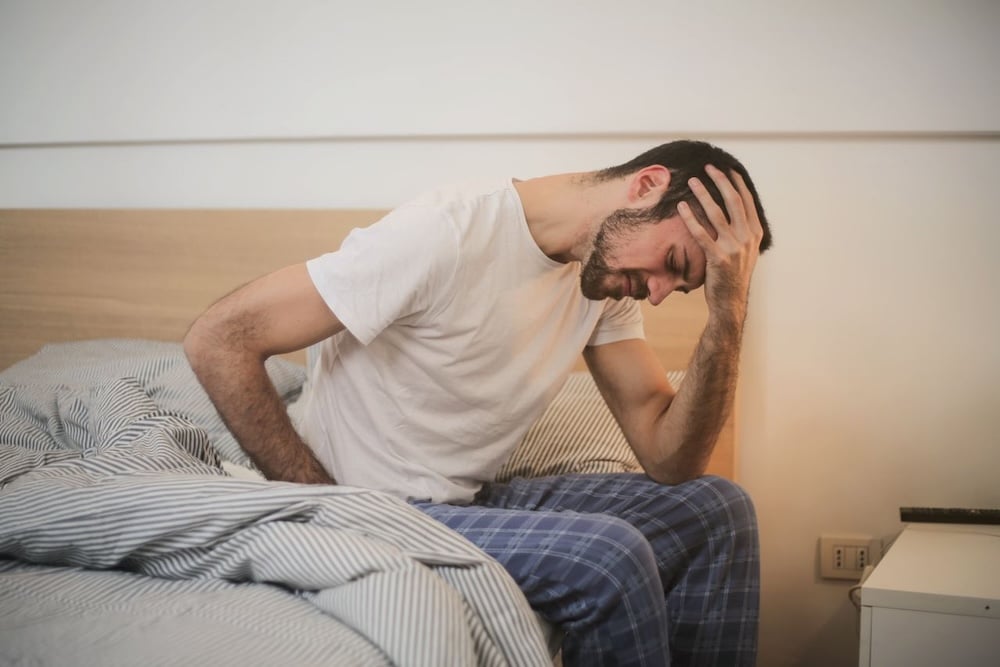
Understanding Chronic Pain and Its Impact on Everyday Living
Chronic pain refers to pain that lasts longer than three months. Unlike acute pain, which signals a temporary injury, chronic pain often continues after the original issue heals.
Common causes include:
- Arthritis
- Degenerative disc disease
- Sports injuries
- Nerve damage
- Autoimmune conditions
- Post-surgical complications
Persistent pain changes how people move. Many avoid certain activities because they fear making the pain worse. While this response feels natural, reduced movement often leads to muscle weakness, stiffness, and decreased flexibility.
As physical limitations increase, daily responsibilities become harder to manage. Tasks that once felt routine start requiring extra effort and planning.
The Connection Between Chronic Pain and Mobility Restoration
Pain and movement share a close relationship. When pain limits movement, the body loses strength and flexibility. Reduced activity then creates additional discomfort, forming a cycle that becomes difficult to break.
Mobility restoration focuses on rebuilding safe, functional movement patterns. The goal is not only pain reduction. It also involves improving physical function so people can participate more fully in everyday life.
For example, someone with chronic knee pain might stop walking long distances. Over time, surrounding muscles weaken, making walking even harder. A structured recovery plan addresses both pain and movement deficits to support long-term progress.
Recognizing mobility limitations early helps prevent further decline. Small improvements in movement often lead to meaningful gains in independence.
How Chronic Pain Disrupts Daily Independence
Chronic pain affects nearly every aspect of daily living.
Household Responsibilities
Cooking, cleaning, and yard work often become physically demanding. People frequently rely on family members for tasks they once handled independently.
Work Performance
Pain affects concentration, endurance, and productivity. Sitting for extended periods or standing throughout a shift becomes increasingly difficult.
Social Engagement
Many individuals withdraw from social activities because pain limits participation. Missed events and reduced interaction often contribute to feelings of isolation.
Emotional Well-Being
Research shows strong links between chronic pain and anxiety, depression, and stress. Physical limitations often affect emotional health, creating additional barriers to recovery.
These challenges highlight why effective chronic pain management requires a comprehensive approach rather than focusing solely on symptom relief.
Effective Strategies for Chronic Pain Management
Managing chronic pain involves addressing both the source of discomfort and the factors that influence recovery.
Start by identifying activities or habits that worsen symptoms. Keeping a simple journal helps track patterns and triggers.
Healthy lifestyle habits also play a significant role in long-term pain recovery. Consistent sleep, balanced nutrition, hydration, and stress management support the body’s natural healing processes.
Physical activity remains one of the most effective tools for pain relief and mobility. Low-impact exercises such as walking, swimming, and stretching help maintain strength and flexibility without placing excessive stress on joints.
For individuals seeking alternatives to invasive procedures, treatments such as regenerative medicine therapy, like those from BioHealth Wellness, are becoming part of broader discussions about non-surgical approaches to supporting tissue health and recovery.
The key is consistency. Small improvements repeated daily often produce better outcomes than aggressive short-term efforts.
Non-Surgical Approaches to Improving Physical Function
Many people assume surgery is the only solution for chronic mobility issues. In many cases, non-surgical pain treatment options provide meaningful improvements.
Movement restoration therapy focuses on restoring proper movement patterns, flexibility, and strength. Treatment plans often include targeted exercises designed to address specific limitations.
Physical rehabilitation strategies help restore range of motion while reducing stiffness and discomfort. These techniques support better joint function and improved movement efficiency.
Manual therapies, corrective exercises, and functional training also play valuable roles. Rather than masking symptoms, these approaches aim to address underlying movement dysfunctions.
Personalized treatment plans remain important because no two individuals experience chronic pain in exactly the same way. Recovery depends on factors such as age, activity level, medical history, and lifestyle demands.
Regaining Independence After Injury or Chronic Pain
Recovery starts with realistic goals.
Instead of focusing on complete transformation overnight, focus on measurable improvements. Walking an extra five minutes, climbing stairs more comfortably, or returning to a favorite hobby represents meaningful progress.
Strength training often helps individuals regain independence after injury by improving stability and movement control. As confidence grows, daily activities become easier to perform without assistance.
Functional mobility improvement also involves adapting routines when necessary. Simple changes such as improving posture, using supportive equipment, or modifying workstations reduce strain and encourage safer movement.
Many people recovering from nerve-related conditions also explore options such as peripheral neuropathy treatment as part of a broader strategy to address mobility limitations and support functional recovery.
Progress rarely follows a straight line. Temporary setbacks happen. Consistent effort remains the most important factor in achieving lasting results.
Maintaining an Active Lifestyle with Chronic Pain
Staying active remains one of the most effective ways to preserve mobility and independence.
The goal is not intense exercise. The goal is sustainable movement.
Helpful strategies include:
- Following a regular stretching routine
- Taking short walks throughout the day
- Incorporating strength-building exercises
- Maintaining healthy body weight
- Listening to the body’s signals without avoiding activity entirely
People who maintain an active lifestyle with chronic pain often experience better physical function and greater confidence in daily activities.
Managing flare-ups also plays an important role. During periods of increased discomfort, adjusting activity levels while continuing gentle movement helps prevent stiffness and deconditioning.
Consistency supports recovery. Even small amounts of daily movement contribute to better long-term outcomes.
Could Mobility Restoration Help You Live More Independently?
Chronic pain affects far more than physical comfort. It influences movement, confidence, relationships, and overall quality of life. Yet many people improve their function and regain independence through targeted strategies focused on movement, strength, and sustainable recovery.
Mobility restoration provides a pathway toward greater freedom in daily activities. Whether the goal involves returning to work, participating in family events, or simply moving with less discomfort, progress begins with taking action.
If chronic pain limits your daily life, consider speaking with a qualified healthcare professional who focuses on functional recovery and non-surgical treatment options. The sooner you address mobility challenges, the easier it becomes to rebuild strength, restore movement, and return to the activities that matter most.