This post may contain affiliate links and/or editorial content and is for informational purposes only. Please read our disclosure for more information.
If you’ve ever looked at a facial menu and felt like you were reading skincare fan fiction, you’re not alone. Terms like exfoliation, hydration, peels, and lymphatic drainage can sound impressive without saying much. If you live in a smaller city like Tullahoma, where weather swings, sun exposure, and dry indoor air all affect your skin, knowing what a facial really does helps you make smarter choices instead of booking on guesswork.
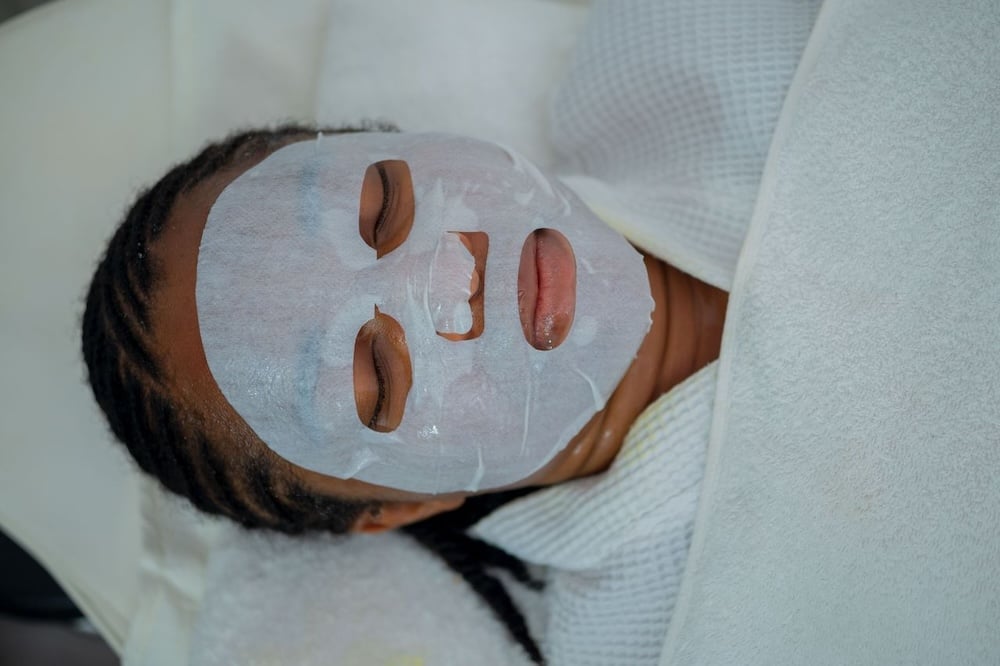
Photo credit: Taiye Salawu on Pexels
Different types of facials target different skin problems
Not all facials aim to do the same job, and that’s where many people get tripped up. A hydrating facial focuses on moisture and barrier support. A deep-cleansing facial usually targets clogged pores, excess oil, and breakouts. Brightening treatments often address dullness and uneven tone.
Some facials include enzymes or mild acids to loosen dead skin cells. Others use calming ingredients for redness-prone or sensitive skin. If you’re dealing with acne, the right treatment may focus less on pampering and more on congestion control, inflammation, and post-breakout marks.
This is also where local options matter. If you’re comparing facials in Tullahoma, it helps to look at the actual treatment goals rather than the names alone. “Glow facial” sounds nice, but “supports dehydrated skin with gentle exfoliation” tells you something useful.
A facial is not just a fancy face wash
A proper facial goes beyond cleansing your skin and adding a nice-smelling mask. It usually includes skin analysis, exfoliation, extractions if needed, treatment serums, and moisture support tailored to your skin type.
That matters because your skin changes with stress, hormones, sleep, climate, and age. One month you may be oily and congested. The next, your face may feel tight and irritated. A well-designed facial responds to those shifts instead of treating every face the same.
You can think of it as maintenance rather than magic. A single session may leave your skin brighter and smoother, but the deeper value often comes from consistency. Regular care can help you manage buildup, dryness, and uneven texture before those issues start running the show.
Exfoliation can help, but more is not always better
Exfoliation is one of the biggest reasons people book facials. It can make your skin look brighter, feel smoother, and absorb products more effectively. It can also go sideways when overdone.
Your skin barrier has one job: keep the good stuff in and the irritating stuff out. When you use strong acids, scrubs, retinoids, and active serums at home, and then add an aggressive facial on top, your skin may protest with redness, peeling, stinging, or breakouts. That is not your skin “purging.” Sometimes it is simply annoyed.
A smart facial approach respects what you already use. If you’ve been applying exfoliating toner every night like it’s a personality trait, your esthetician needs to know. Better results usually come from balanced treatment, not from scraping away every last cell in pursuit of glass skin.
Professional extractions can be helpful when done correctly
Few skincare mistakes are more common than do-it-yourself pore surgery in a bathroom mirror with bad lighting and too much confidence. Squeezing blackheads and pimples at home often leads to broken skin, more inflammation, and marks that linger.
Professional extractions, when appropriate, are more controlled. They’re usually done after steam or softening products have prepped the skin, which makes clogged pores easier to clear with less trauma. Not every facial includes them, and not every breakout should be extracted, which is a good thing.
If your skin is inflamed or sensitive, aggressive extractions may do more harm than good. Skilled treatment means knowing when to proceed and when to leave a blemish alone. That kind of restraint rarely gets applause, but your skin usually appreciates it.
Facials can support confidence, not just appearance
It’s easy to treat skincare as shallow, especially online where every conversation becomes a debate. In real life, your skin affects how you feel when you show up to school, work, dates, meetings, or photos.
When your skin is irritated or breaking out, you may spend more energy thinking about it than you want to admit. Looking more rested or clear can shift how comfortable you feel in your own face. That doesn’t mean facials solve self-esteem issues. It means appearance and confidence often overlap in practical ways.
There’s also the mental reset factor. Lying still for an hour without scrolling, replying, or pretending you’re multitasking can lower stress, and stress shows up on skin more than people think. A facial won’t fix your schedule, but it may interrupt the chaos long enough to help.
Your skin type should shape the treatment plan
One of the most useful parts of a facial is personalized assessment. Your skin may be oily but dehydrated, acne-prone yet sensitive, or dry with occasional congestion. Those combinations are common, and they need nuance.
A cookie-cutter facial can miss the mark. If your skin is reactive, heavily fragranced products or strong exfoliants may trigger irritation. If you have hyperpigmentation, treatment choices should account for inflammation and sun exposure. If you’re acne-prone, rich occlusive products may not be your friend.
Before booking, consider these details:
– Your main concern: acne, dryness, texture, redness, dullness, or aging
– Your current routine, especially acids, retinoids, and benzoyl peroxide
– Any allergies or sensitivity history
– Whether you’re preparing for an event or managing a long-term concern
– How much downtime you can tolerate
Good skincare is rarely one-size-fits-all. Good facial treatment shouldn’t be either.
What to expect before and after your appointment
A little prep can make your facial more effective. Avoid using strong exfoliants, retinoids, or harsh scrubs for a few days beforehand unless you’ve been told otherwise. If you arrive with irritated skin, the treatment may need to be adjusted.
After your appointment, your skin may look fresh immediately, or it may be slightly pink for a few hours depending on what was done. It’s usually best to skip heavy makeup, intense workouts, and extra active ingredients right away. Let your skin settle.
Results also depend on what happens at home. A facial can improve your skin’s condition, but it can’t outwork sleeping in makeup, never wearing sunscreen, or treating water intake like an optional side quest. Professional care works best when it connects with realistic daily habits.
The best facial is the one that fits your actual needs
It’s tempting to choose treatments based on trends, dramatic before-and-after photos, or whatever facial your friend swears changed her life. Your skin has its own agenda. What works beautifully for someone else may irritate you or do very little.
The better approach is to get specific. Ask what the treatment is designed to do, who it suits, how often it makes sense, and what kind of follow-up care helps maintain the results. Clear answers usually signal thoughtful care.
If you understand what a facial is meant to accomplish, you’re far less likely to waste money chasing buzzwords. You’ll know when to book for hydration, when to focus on acne management, and when your skin just needs a gentler plan. That level of clarity beats guesswork every time.