This post may contain affiliate links and/or editorial content. Our content is for informational purposes only and should not be used as a substitute for advice from a trained legal professional. Please seek the advice of a legal professional if you’re facing legal/law issues. Read our disclosure for more information
If a family member begins to show signs of mood swings, memory failures, or behavior changes after suffering a head injury, it can be concerning. Chronic Traumatic Encephalopathy, also known as CTE, is a brain disorder that occurs due to repeated brain trauma. Knowing the condition early makes a huge difference in how families cope and assist their loved ones.
Becoming familiar with the causes and risk factors linked to CTE is the first step to recognizing warning signs and seeking help from a specialist before the disease is too advanced.
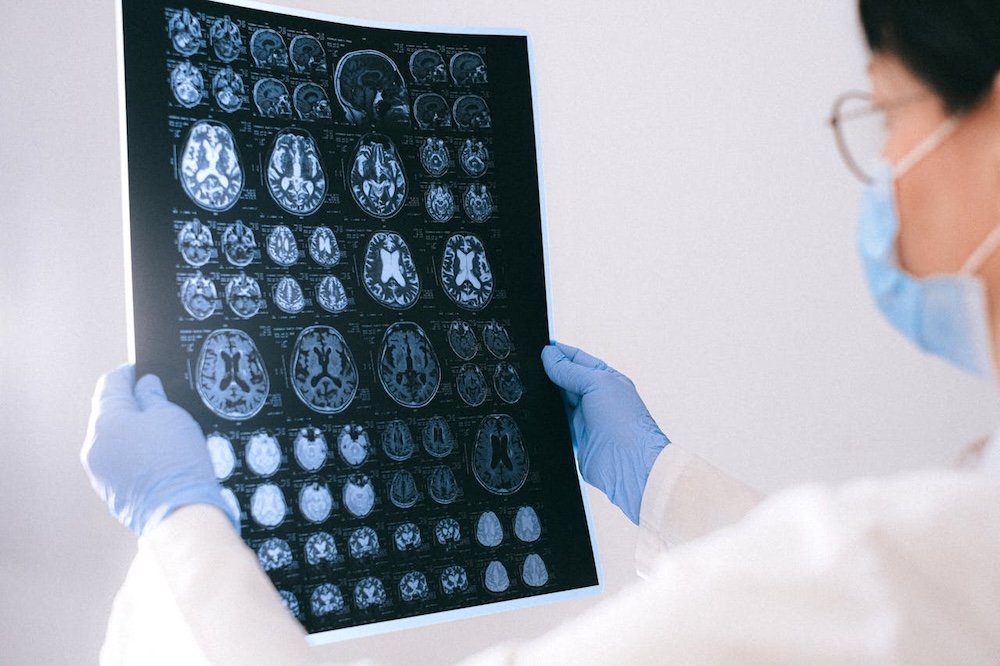
Photo by Anna Shvets on Pexels
What Is CTE?
CTE is a degenerative brain condition often found in athletes who receive repeated blows to the head or damaging injuries. We mentioned not long ago that CTE is no longer restricted to purely contact sports. Anyone who experiences multiple concussions or impacts to the head could be at risk; this is not limited to sports professionals.
The illness usually affects the parts of the brain that are in charge of memory, judgment, and emotions, and this is the reason why the symptoms start off subtly with some mood swings or some forgetfulness before they get more severe.
Early Warning Signs to Watch For
The initial signs of CTE can be hard to identify, as they resemble normal events of aging or stress-related changes. Families should watch for.
- Memory problems or difficulty concentrating.
- Sudden mood swings, irritability, or depression.
- Poor judgment or impulsive behavior.
- Difficulty maintaining relationships or keeping a job.
Early recognition is key. When families observe changes early, they seek medical assessment and ways to limit the impact of symptoms.
Why Head Trauma Matters
Getting hit on the head multiple times can cause CTE, not just concussions. These effects cause chemical changes in the brain over time, and that can damage brain tissue. This accumulation of damage explains the delayed onset of CTE in some individuals. By understanding this, families can link behavioral or cognitive changes to past brain injury history.
Steps Families Can Take
If someone you love has CTE, there is more you can do than just support them.
- Seek help from a brain injury specialist: Neurologists or brain injury specialists may be able to help you assess your symptoms and recommend treatment options.
- Record the symptoms that you notice: To help doctors better diagnose and assist your loved one, keep track of their symptoms and note any behavior changes and incidents in a diary.
- Try to avoid further damage or injuries to their head: Limit further head trauma and discuss lifestyle changes to protect their brain, such as no contact sports or risky activities.
- Ask for help and support: Family members can join support groups, receive therapy, or get counseling for stress.
Legal Considerations
On occasion, CTE can be brought on by unsafe environments, faulty equipment, or negligence at work, school, or sports facilities. Families should not hesitate to carefully look into their legal options, especially if the exposure to repeated concussions or head trauma could have been avoided. Knowing how you can get properly compensated gives you essential resources to cover medical treatment, therapy, rehabilitation, and any long-term changes to your quality of life.
Key Takeaways
- Chronic traumatic encephalopathy occurs due to repetitive head trauma and affects thinking and emotions.
- If families can identify early signs, they can try to protect the youth.
- First, we recommend consulting with a medical professional, taking note of changes, and promoting safe habits.
- Support networks, therapy, and symptom-management strategies improve quality of life.
- If exposure to head injuries could be avoided, there could be legal options.
She Owns It partners with others through contributor posts, affiliate links, and sponsored content. We are compensated for sponsored content. Our disclosure page outlines the details. The views and opinions expressed reflect those of our guest contributor, interviewee, or sponsor. We have evaluated the links and content to the best of our ability at this time to make sure they meet our guidelines. As links and information evolve and change, we ask that readers do their due diligence, research, and consult with professionals as needed.
The publication of Content on the site does not constitute an endorsement by She Owns It. If you have questions or concerns about any content published on our site, please let us know. We strive only to publish ethical content that supports our community. Thank you for supporting the brands that support this blog.