This post may contain affiliate links and/or editorial content. See our disclosure statement for details.
A home’s plumbing system works mostly out of sight, delivering water and carrying wastewater away every day. Because pipes are hidden, early problems can be easy to miss. A slow drain, damp patch, unusual sound, or unexplained increase in water use may signal a developing issue. In Palm Harbor, Florida, where humidity and coastal conditions can make moisture problems more challenging, recognizing these clues early can help prevent water damage, disruption, and expensive emergency repairs.
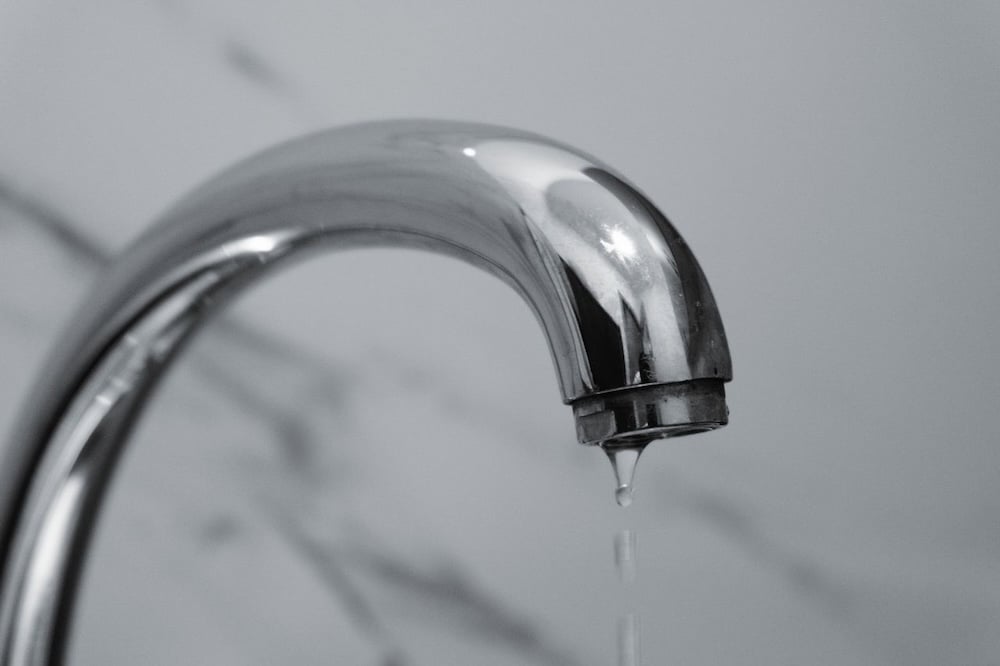
Photo credit: Zulfugar Karimov on Pexels
Small Symptoms Can Point to Larger System Problems
Plumbing failures rarely begin with a dramatic burst. More often, subtle warning signs appear first. A musty smell near a baseboard, reduced pressure in one bathroom, or ticking sounds behind a wall may indicate a leak, loose fitting, or changing water pressure.
Look for patterns. If pressure drops when another fixture is running, the cause could involve supply capacity, a restriction, or a pressure problem. If a drain repeatedly gurgles, trapped air, a developing blockage, or a venting issue may be affecting the system.
Older galvanized steel pipes can corrode internally, narrowing the passage available for water. Copper pipes can also develop leaks under certain conditions. Pipe age and material help determine which signs deserve attention.
Water Stains Are Rarely Just Cosmetic
A ceiling stain, bubbling paint, or swollen baseboard may mean water has already reached surrounding materials. Drywall, insulation, flooring, and framing can absorb moisture before a leak becomes obvious.
Treat discoloration as a possible moisture problem. Even a small leak can gradually damage finishes and create conditions that support mold growth. The visible mark may be far from the leak because water can travel along framing or other surfaces.
In humid coastal areas, moisture can linger longer, increasing the risk of ongoing damage. If you need pipe repair in Palm Harbor, addressing the problem early can help prevent it from spreading. A professional plumber can identify whether the issue stems from a loose fitting, a damaged pipe section, or a more extensive plumbing concern.
Changes in Water Quality Deserve Attention
Water that suddenly looks rusty, cloudy, or unusually colored can have several causes. Sediment may be disturbed in public water mains, maintenance may be taking place nearby, or corrosion and scale may be present in household plumbing. A water heater can also affect hot-water appearance.
Compare hot and cold water and see whether one tap or several are affected. If it persists, contact your water utility to ask about nearby maintenance or water-quality issues. Color alone does not identify the source or prove the water is safe.
The U.S. Geological Survey explains that iron can give water a reddish-brown appearance, while iron and manganese may contribute to darker discoloration. Its water-quality explanation helps distinguish possible causes, but persistent changes should be investigated.
Recurring Clogs May Be Deeper Than the Drain
A single slow sink may have a simple obstruction. However, repeated clogs or several fixtures backing up together can indicate a blockage farther along the drainage system, a venting issue, or damage to a sewer line.
Notice how fixtures behave in relation to one another. A toilet that bubbles when a bathtub drains, or a sink that backs up when an appliance empties, may indicate that wastewater is not moving freely through the shared line.
Avoid relying on chemical drain cleaners for recurring problems. They may not clear the obstruction and can create hazards if used incorrectly or mixed with other products. A plumber can assess the line and, when appropriate, use a camera inspection to locate roots, damaged sections, or accumulated debris.
A Higher Water Bill Can Reveal a Hidden Leak
An unexplained rise in water use deserves investigation, particularly when household routines have not changed. Toilets, irrigation lines, supply pipes, and leaks beneath floors can waste water without producing an obvious puddle.
Turn off faucets and water-using appliances, then check the water meter. If the meter continues moving when no water should be flowing, a leak may be present. This check will not locate the leak, but it can show whether further investigation is needed.
The EPA’s home maintenance advice recommends comparing bills over time and checking the meter during a period when water is not being used. A sudden increase is worth investigating before it leads to more serious damage.
Older Homes Need a More Proactive Approach
Plumbing materials age differently. Galvanized steel can corrode and restrict flow. Some older homes may contain polybutylene piping, which has a history of premature failures. Copper can also develop pinhole leaks in certain water conditions.
Find out what materials your home uses and when major sections were installed. One isolated leak may need a targeted repair, while repeated failures in different areas can suggest wider deterioration.
A professional inspection can help you understand the condition of the system before a renovation, property sale, or major repair decision. Keep records of previous work.
Choose Repairs Based on the Cause
Not every plumbing problem requires a complete repipe, and not every leak should be treated as a minor patch. The right solution depends on the pipe material, location, extent of damage, accessibility, and likelihood of further failure.
Ask whether the problem is isolated or part of a recurring pattern. Find out what testing supports the diagnosis, what the repair includes, and whether nearby sections show similar wear. Depending on the situation, a targeted replacement or broader repiping plan may be more practical than repeated temporary fixes.
Respond Before Problems Spread
Your plumbing often provides warning signs before a major failure. Pay attention to stains, odors, pressure changes, unusual water appearance, recurring clogs, and unexplained bills. Record when symptoms occur and whether they affect one fixture or several.
Early investigation gives you more control over repair timing and cost. Rather than waiting for water to reach the floor, treat unusual changes as useful information about the system. A little attention now can prevent a much larger repair later.