This post may contain affiliate links and/or editorial content. Read our disclosure for more information.
Ever notice how some adults stay healthy with ease while others constantly struggle? It’s often not luck—it’s early habits. The way kids eat, sleep, move, and handle stress shapes their health for life. In a world of fast food, endless screens, and rising childhood health issues, those early routines matter more than ever.
In this blog, we will share how childhood habits affect long-term health, what today’s trends reveal, and how families can build stronger routines from the start.
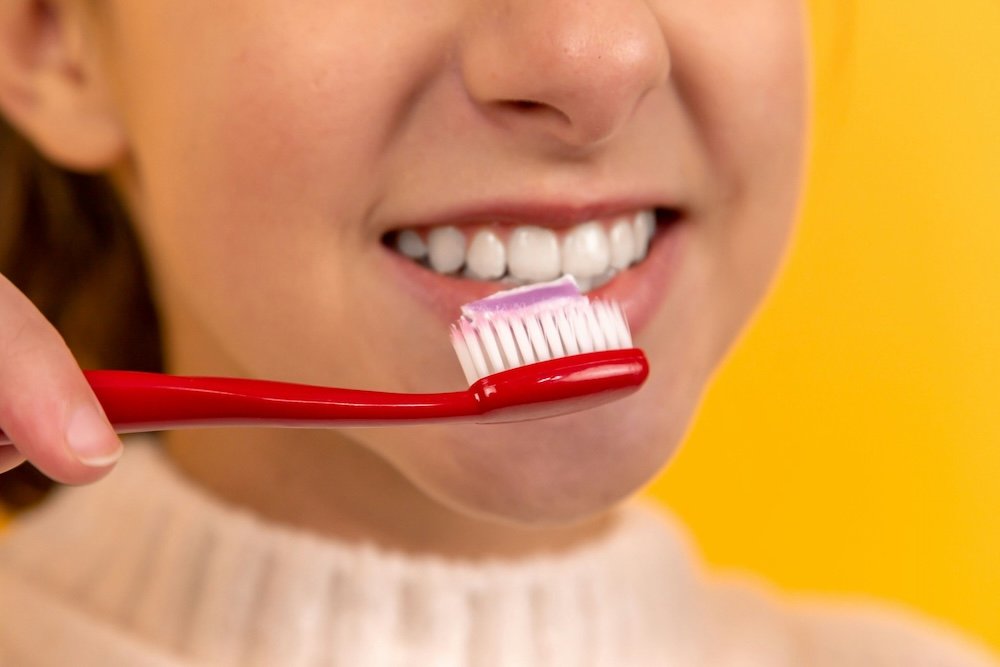
Photo by Diana Polekhina on Unsplash
The Power of the Small Stuff
Kids don’t think much about long-term health. That’s normal. It’s why they’ll eat candy for breakfast or stay up past midnight without a second thought. But their bodies are learning. Every bite, every skipped bedtime, every screen binge is quietly teaching them how to treat their health.
Routines around food, sleep, hygiene, and activity form the base of physical and mental well-being. When a child learns to brush twice a day, eat fruits and veggies, and move their body daily, they’re learning discipline and care. These patterns become second nature in adulthood.
Some habits protect against more than cavities or colds. Poor oral health, for example, can lead to bigger issues later—like infections, jaw pain, and heart disease. If a child struggles with bite alignment, early attention makes a difference. That’s why parents should look up best orthodontic care near me before those small signs turn into bigger problems. Fixing alignment early doesn’t just improve a smile. It supports digestion, speech, breathing, and confidence.
Shaping Behavior in a Changing World
Let’s not ignore the obvious: today’s kids are growing up in a different world than their parents. Fast food is faster. Screens are brighter. And life is more sedentary than ever.
The CDC reports that most kids aren’t getting enough physical activity. At the same time, screen time has doubled in the last decade. Sleep is shorter. Processed food is easier to grab than whole food. Add rising anxiety and overstimulation to the mix, and the environment itself is working against healthy habits.
But here’s the good news—kids are incredibly adaptable. The same brains that memorize TikTok dances in an hour can also learn how to build solid habits. The key is structure, not shame.
Kids do best when the healthier choice is the easier one. When fruits are prepped and visible. When bedtime is consistent. When brushing teeth is tied to a fun song. The goal isn’t to make health feel like a rulebook. It’s to make it feel normal.
Lasting Effects That Go Beyond the Body
Healthy habits aren’t just about staying physically fit. They shape how a child thinks and responds to the world. Kids who move often, sleep well, and eat balanced meals tend to focus better, manage emotions more calmly, and build resilience.
Routine builds structure in the brain. It teaches kids that small actions have outcomes. When they wash hands, brush teeth, or help pack a healthy lunch, they build responsibility. That carries into school, friendships, and eventually work.
There’s also a confidence factor. Kids who feel healthy show up differently. They participate more. They recover faster from setbacks. And they build a sense of pride in taking care of themselves.
Practical Steps for Parents and Caregivers
Creating healthy habits isn’t about strict rules or guilt trips. It’s about meeting kids where they are and guiding them with clear, repeatable steps. Here’s how to get started:
Start with one habit
Don’t try to fix everything at once. Choose a small habit to focus on—like adding a vegetable to dinner or brushing teeth before bed. Keep it consistent.
Make it fun
Kids respond to fun better than lectures. Use songs, timers, stickers, or games to make routines enjoyable. When something feels like a chore, they’ll resist it. When it feels like play, they’ll repeat it.
Model what you want to see
Children mimic adult behavior. If they see you skipping breakfast or glued to your phone all evening, they’ll follow suit. Show them what healthy looks like, and they’ll copy it without needing a speech.
Use visuals
Chore charts or habit trackers give kids a sense of progress. Checking off a task gives a small dopamine hit and makes the routine feel rewarding.
The Future Built Today
By helping children build smart habits early, you’re giving them tools that will carry through their teen years, their work life, their relationships, and even parenthood one day. You’re not just preventing illness. You’re creating a foundation for thriving.
In a world that’s always rushing, building health through routine is a quiet kind of rebellion. It’s steady. It’s powerful. And it lasts.
So whether you’re reminding your child to stretch in the morning, pack their lunch, brush their teeth, or get to bed on time—it matters. These aren’t small things. They are the start of something lifelong. And they start with what you do today.
She Owns It partners with others through contributor posts, affiliate links, and sponsored content. We are compensated for sponsored content. Our disclosure page outlines the details. The views and opinions expressed reflect those of our guest contributor, interviewee, or sponsor. We have evaluated the links and content to the best of our ability at this time to make sure they meet our guidelines. As links and information evolve and change, we ask that readers do their due diligence, research, and consult with professionals as needed.
The publication of Content on the site does not constitute an endorsement by She Owns It. If you have questions or concerns about any content published on our site, please let us know. We strive only to publish ethical content that supports our community. Thank you for supporting the brands that support this blog.