This post may contain affiliate links and/or editorial content. Read our disclosure for more information.
In recent years, drone technology has rapidly emerged as a powerful tool for improving logistics and delivery operations. With e-commerce growing fast and customers expecting quicker, more efficient shipping, businesses are turning to drones as a smart, innovative solution. Drone delivery services help companies streamline their supply chains, shorten delivery times, and reduce operational costs, all while staying competitive in a crowded market.
By integrating drones into their delivery strategy, businesses can respond more effectively to shifting customer expectations and enhance overall efficiency. This technology isn’t just futuristic, it’s becoming a practical way to deliver faster, smarter, and more reliably.
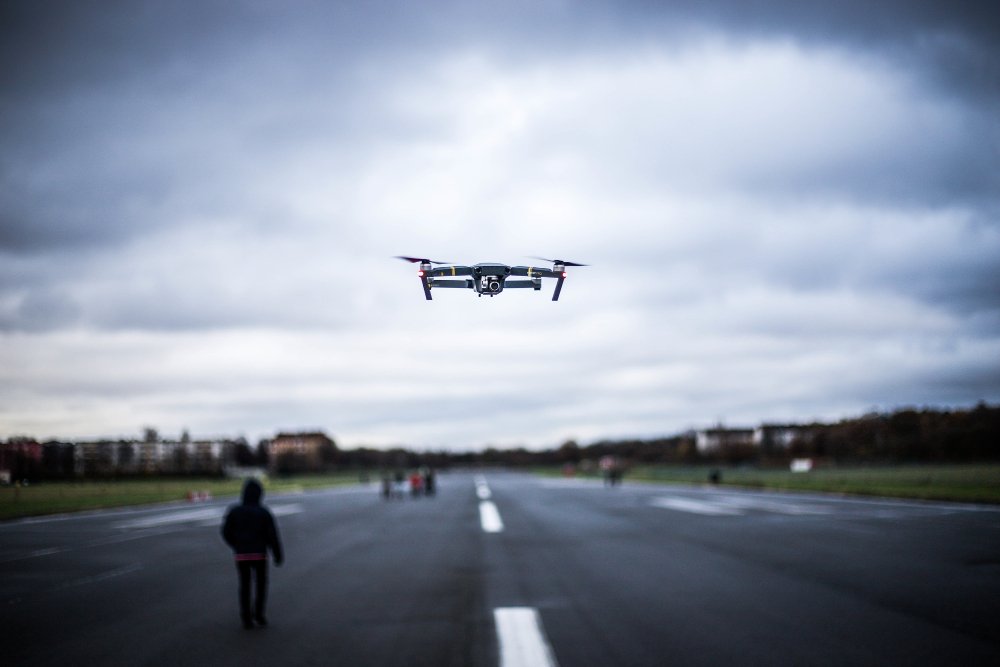
Photo credit: Freepik
Better Performance of the Deliveries
One of the biggest advantages drones bring to delivery operations is the ability to plan and adjust routes in real time. Traditional delivery methods are restricted by traffic, road conditions, and fixed routes—but drones can travel directly from point to point, avoiding many of these delays. This dramatically cuts travel time and allows businesses to complete more deliveries in less time, boosting overall efficiency.
Beyond faster delivery, drones also help reduce fuel consumption and minimize wear and tear on vehicles. Companies that rely heavily on traditional delivery fleets can significantly lower operating costs by integrating drone services into their logistics strategy. These services offer a flexible, scalable solution—making it easy to ramp delivery capacity up or down to meet seasonal surges or unexpected spikes in demand.
With drones in the mix, businesses gain a smarter, faster, and more cost-efficient way to handle deliveries.
Enhanced Route Planning
One major advantage of drone technology is its ability to revolutionize route planning. Using GPS and advanced mapping software, drones can identify the safest and fastest paths for deliveries, bypassing traffic congestion, road closures, and unexpected obstacles. They can also adjust routes in real time, ensuring that deliveries stay on schedule even when conditions change suddenly.
Optimized route planning with drones also improves resource allocation. By handling more deliveries, drones reduce the need for human drivers and delivery vans, allowing companies to maintain—or even increase—their delivery volume. This efficiency lowers labor and fuel costs while freeing logistics teams to focus on higher-priority tasks.
The precision and flexibility provided by drone services simply cannot be matched by traditional delivery methods. Dynamic routing, faster deliveries, and better resource use give businesses a competitive edge while ensuring that operations remain smooth, cost-effective, and responsive to changing demands.
Reduced Delivery Costs
Drones can also significantly affect the total costs of the deliveries. Drones can deliver faster and more efficiently than traditional means by going on direct flight paths and eliminating any delays caused by traffic. It can result in the decrease in labor costs, the decrease in fuel expenses, and the decrease in the number of maintenance needs of the delivery vehicles. Companies that embrace the drone delivery system will realize a better payback and will stay on top of the competition in the market that is speedy and efficient.
Drones delivery is cost effective not only in terms of operations. Firms are able to increase their service domains without having to involve more vehicles and staff. This scalability enables the companies to access the customers who are in remote or inaccessible areas easier. Drone video services are also applicable to the delivery operations to assure visual confirmation of packages drop-offs which would increase efficiency and accountability.
Enhanced Customer Service
Faster and more reliable deliveries have a direct positive impact on customer satisfaction. Today’s consumers expect same-day—or even same-hour—delivery, and drones make it possible to meet these high expectations. Efficient delivery routes and real-time tracking give customers the ability to monitor their orders and receive updates on delivery progress, creating transparency and building trust.
Beyond speed, drones can improve the overall quality of service. They deliver goods directly to the intended destination, reducing the risk of lost or delayed packages. Customers appreciate the company’s ability to respond quickly to urgent orders, which fosters loyalty and repeat business.
Using drone services in the delivery process also signals that a company is committed to innovation and efficiency. This not only enhances the customer experience but also provides a clear competitive advantage in today’s fast-paced market.
Data Analysis and Collection
Drones do more than just transport packages, they also collect valuable data along their routes. Equipped with sensors and onboard cameras, drones can track delivery times, monitor traffic patterns, and record environmental conditions. This information helps businesses analyze delivery performance, identify bottlenecks, and implement improvements to increase efficiency.
The insights gathered from drones enable smarter decisions regarding resource allocation and operational planning. By using this data proactively, companies can prevent delays, reduce cost,s, and maintain faster delivery speeds.
Integrating drones into a data-driven logistics strategy significantly enhances overall delivery performance. Real-time monitoring and continuous data collection allow businesses to optimize routes, streamline operations, and ensure reliable, efficient service.
Environmental Impact
Drone deliveries offer significant environmental benefits. Compared to traditional delivery vehicles, drones consume less energy and produce fewer emissions. Reducing the use of trucks and vans on short routes helps companies lower their carbon footprint and advance their sustainability goals.
Beyond cutting emissions, drones also help reduce urban traffic congestion. Fewer delivery vehicles on the road mean less air pollution and reduced strain on city infrastructure. Companies that adopt drone technology demonstrate environmental responsibility while maintaining efficient delivery operations, effectively balancing business growth with sustainability initiatives.
By optimizing delivery routes and leveraging drone technology, businesses can deliver faster, lower costs, and improve customer satisfaction. Embracing drones not only meets rising customer expectations but also provides a competitive edge while fully harnessing modern logistics solutions.
She Owns It partners with others through contributor posts, affiliate links, and sponsored content. We are compensated for sponsored content. Our disclosure page outlines the details. The views and opinions expressed reflect those of our guest contributor, interviewee, or sponsor. We have evaluated the links and content to the best of our ability at this time to make sure they meet our guidelines. As links and information evolve and change, we ask that readers do their due diligence, research, and consult with professionals as needed.
The publication of Content on the site does not constitute an endorsement by She Owns It. If you have questions or concerns about any content published on our site, please let us know. We strive only to publish ethical content that supports our community. Thank you for supporting the brands that support this blog.