This post may contain affiliate links and/or editorial content. See our disclosure statement for details.
An older home has a charm that newer houses often struggle to match. Solid wood trim, generous rooms, and careful craftsmanship give these properties a character that many buyers love. Living in one every day, however, can bring a different set of feelings. Rooms may feel drafty in winter, stuffy in summer, and dim on cloudy afternoons. Modernizing an older house is about keeping the parts that make it special while updating the parts that make daily life harder than it needs to be. The goal is a home that feels comfortable, runs efficiently, and still looks like itself.
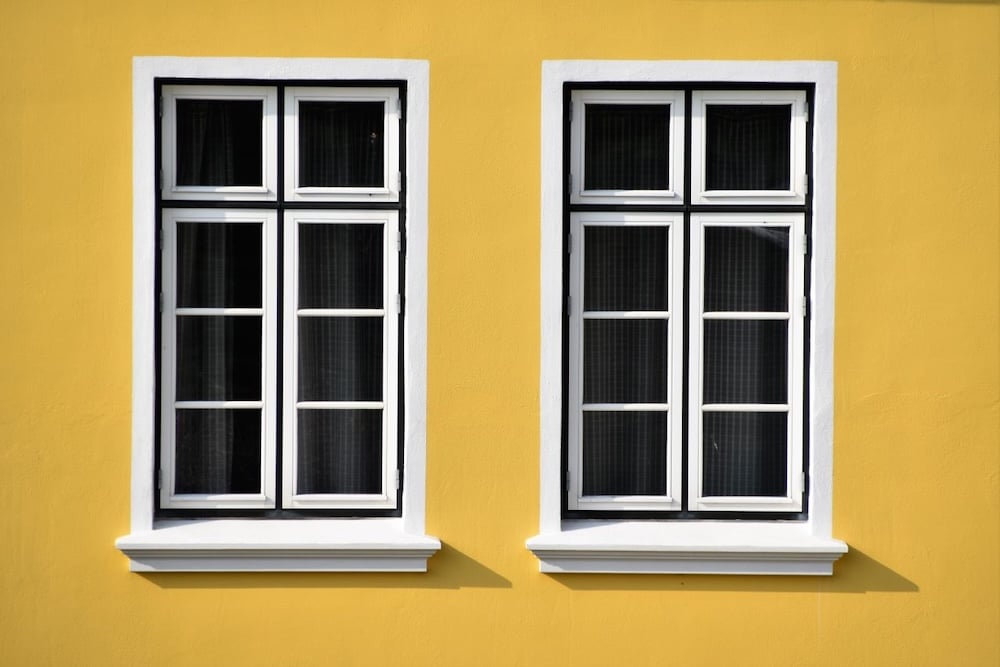
Photo credit: Waldemar Brandt on Pexels
Starting With the Shell of the House
Most comfort problems in an older home begin with the outer shell, where heat slips out in winter and creeps in during the summer months. Original windows are often the weakest point of all, since single panes, worn seals, and shifting frames let drafts and unwanted moisture into the house. Fitting new, well-sealed units in their place is one of the most practical ways to make a home warmer, quieter and easier to heat and cool. If your home has these problems, it may be time to consider a window replacement that suits your home, with custom sizes and shapes and double-hung, casement, bay, or picture styles to choose from. Once the shell is sealed properly, every other upgrade in the house, from heating to insulation, can do its job far more effectively.
Making the Most of Insulation
Insulation in older homes is often thin, uneven, or missing altogether. Attics may have only a light layer, and exterior walls in some houses were built with no insulation at all. Adding more to the attic is usually the simplest place to start, since warm air naturally rises and escapes through the top of the house. Crawl spaces and basements deserve attention too, because cold floors can make an entire room feel uncomfortable. These hidden improvements rarely change how a home looks, yet they make a noticeable difference to how it feels throughout the year.
Bringing the Electrical System Up to Date
Older electrical systems were designed for a time when families owned far fewer appliances and devices. Signs that the system needs attention include flickering lights, warm outlets, frequently tripped breakers, and a shortage of places to plug things in. A licensed electrician can assess the panel, the wiring, and the grounding to decide what needs updating. Adding outlets where they are needed, installing modern safety devices in kitchens and bathrooms, and planning for future needs all make the home safer and far more convenient to live in.
Updating Heating and Cooling
An aging furnace or boiler can still run, but it often works harder than it should and costs more to operate. Some older homes were never designed with central cooling, which leaves certain rooms uncomfortable for much of the summer. A heating and cooling specialist can recommend options that suit the layout of the house, including systems that avoid the need for large ductwork in homes where space is tight. Pairing these upgrades with good insulation and a well-sealed shell ensures the new equipment does not waste energy.
Refreshing the Kitchen Without Losing Character
The kitchen is often the room that shows its age most clearly. Older kitchens tend to be small, closed off, and short on storage and counter space. A thoughtful update can improve the way the room works without stripping away its personality. Keeping original features such as built-in cabinets, wood floors or period details can anchor the design, while new appliances, better lighting and smarter storage handle the practical side.
Rethinking Bathrooms for Everyday Use
Bathrooms in older homes are frequently cramped and may suffer from poor ventilation, worn fixtures, and aging pipes behind the walls. A remodel offers a chance to renew hidden plumbing while the walls are open, which prevents future leaks and water damage. A proper exhaust fan protects the room from moisture and mold, an issue many older bathrooms face. Classic tile patterns, pedestal sinks, and clawfoot tubs can be kept or recreated to honor the style of the house, while modern fixtures bring better water pressure and easier cleaning.
Improving Natural Light and Layout
Many older homes were built with smaller, separate rooms. Modern living often calls for spaces that flow more easily from one to the next. Widening a doorway, removing a non-structural wall, or creating a clear sightline between rooms can make a house feel larger without adding any square footage. Light colors on walls and ceilings help brighten darker rooms, and well-placed fixtures can fill corners that daylight does not reach. These changes keep the home’s overall shape intact while making it feel more open and welcoming.
Protecting the Home From the Top Down
The roof, gutters, and siding work together to keep water away from the structure. In an older home, any of these may be near the end of its useful life. Missing shingles, sagging gutters, and cracked or warped siding allow moisture to reach the frame, where it can cause rot and costly repairs. Regular inspections help catch problems early, and updating these exterior elements also improves curb appeal. Choosing materials that match the original style of the house keeps its appearance consistent while adding years of reliable protection.
Planning Upgrades in the Right Order
Tackling projects in a sensible order saves money and prevents rework. Structural and safety issues come first, followed by the shell of the house, then the major systems such as wiring, plumbing, and heating. Cosmetic work like paint, flooring, and fixtures should come last so it is not damaged by earlier projects. Setting a realistic budget with room for surprises is wise, since older homes often reveal hidden issues once work begins. A clear plan turns a large, overwhelming job into a series of manageable steps, each one making the home more comfortable than the last.