This post may contain affiliate links and/or editorial content. Content is for informational purposes only, and you should consult a legal professional before making decisions or purchases. Please read our disclosure for more information.
When divorce papers are refused, the process can quickly shift from straightforward to complex. Legal systems provide several remedies for such situations, depending on the reason for refusal and the jurisdiction’s procedures. Understanding these options is essential to ensure one’s rights are protected and the dissolution continues lawfully. We will discuss the legal pathways available when a spouse refuses or fails to acknowledge divorce papers.
What Options You Have When Divorce Papers Are Refused
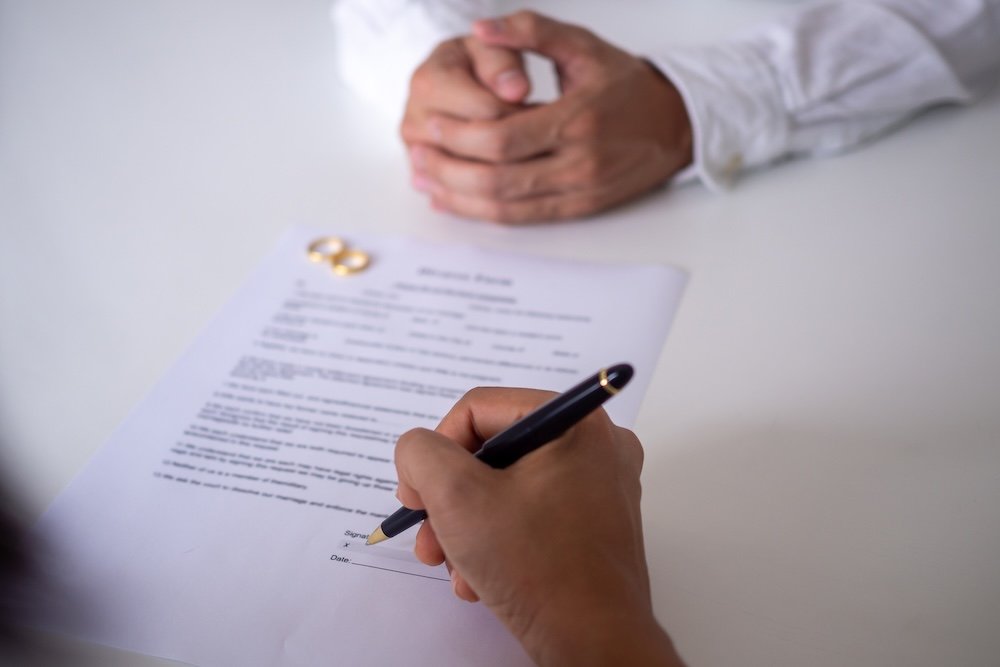
Agreements Stock photos by Vecteezy
Why Divorce Papers May Be Refused
Sometimes, a spouse will refuse to accept divorce papers because they are fearful, angry or simply want to slow down the process. Sometimes a spouse believes that if they do not accept the divorce papers then the divorce will never happen. Legally, refusal has no power to block the case. Courts focus on whether proper notice was attempted, not on consent.
Personal Service Through a Process Server
“What if you refuse to sign divorce papers?” In most cases, divorce can still proceed. The common solution is to serve through a process server or a sheriff’s department. These authorized professionals personally deliver the papers. If your spouse refuses to accept or sign them, the server may leave the documents nearby and officially record the refusal, which usually counts as valid legal service.
Substituted Service When Direct Delivery Fails
If you are unable to find your spouse, or if they are actively evading service, you may need to seek the court’s approval to use what is referred to as “substituted service.” Substituted service is similar to personal service, but instead of serving the divorce papers directly to your spouse, you would serve the divorce papers to someone else at your spouse’s residence or place of employment.
Service by Mail with Court Approval
Depending on the laws in your jurisdiction, you may be able to obtain court permission to serve your spouse through certified or registered mail. Your divorce papers will be mailed to your spouse’s last known address, and you will receive a receipt or signature card back from the post office indicating that your spouse received the divorce papers.
Service by Publication as a Last Resort
In extreme cases, such as when you are unable to locate your spouse or your spouse is intentionally avoiding service, you may be granted permission to use what is referred to as “service by publication.” In service by publication, you publish a public announcement of your divorce in a newspaper, which is approved by the court, and send a copy of the publication to your spouse’s last known address.
Filing Proof of Service with the Court
Regardless of which method you choose to use to serve your spouse, you will need to file a document called a “proof of service” with the court. The purpose of the proof of service is to document that you properly served your spouse with your divorce papers and to provide information about the time, date, location, and manner in which you served your spouse.
What Happens If My Spouse Does Not Respond After Valid Service
After you complete valid service of your spouse and file a proof of service, if your spouse fails to respond, you may be able to obtain a “default” divorce. In a default divorce, the court will grant your divorce based solely on the information contained in your original petition for divorce. While the court will grant your divorce, it will still examine the specific provisions of the divorce agreement to determine if they are fair and reasonable.
How Does the Court View a Spouse Who Continues to Avoid Service
As previously stated, the court views continued evasion of service as unacceptable and will not favorably treat a spouse who makes every effort to avoid being served with divorce papers. Continuing to evade service may also harm the credibility of the spouse who is evading service in any future hearings or disputes that may arise during or after the divorce.
When Legal Guidance Becomes Important
Service of divorce papers and obtaining a divorce can be complex and involve technical requirements. Failure to comply with the court’s rules regarding service may result in additional delays to the divorce proceeding or, in the worst-case scenario, may even require that you repeat the service process.
Key Takeaways
- Refusing divorce papers does not stop a divorce
- Courts focus on proper notice, not acceptance
- Personal, substituted, mail, and publication services are lawful options
- Proof of service is required to move forward
- A default divorce may proceed if no response is filed
She Owns It partners with others through contributor posts, affiliate links, and sponsored content. We are compensated for sponsored content. Our disclosure page outlines the details. The views and opinions expressed reflect those of our guest contributor, interviewee, or sponsor. We have evaluated the links and content to the best of our ability at this time to make sure they meet our guidelines. As links and information evolve and change, we ask that readers do their due diligence, research, and consult with professionals as needed.
The publication of Content on the site does not constitute an endorsement by She Owns It. If you have questions or concerns about any content published on our site, please let us know. We strive only to publish ethical content that supports our community. Thank you for supporting the brands that support this blog.