This post may contain affiliate links and/or editorial content. Please read our disclosure for more information.
If you’ve been paying attention to jewelry over the last few years, you’ve noticed something. The chunky, logo-heavy, statement-everything era is fading, and in its place is a quieter aesthetic built around clean lines, precise craftsmanship, and pieces that whisper instead of shout. It’s the rise of minimalist luxury, and the tennis bracelet has become its unofficial flagship.
This isn’t a coincidence. There’s a reason this single design has captured the moment, and a reason it keeps showing up on celebrities, in editorial spreads, and on the wrists of women who clearly know what they’re doing. Here’s what’s driving the trend and why it’s likely to keep going.
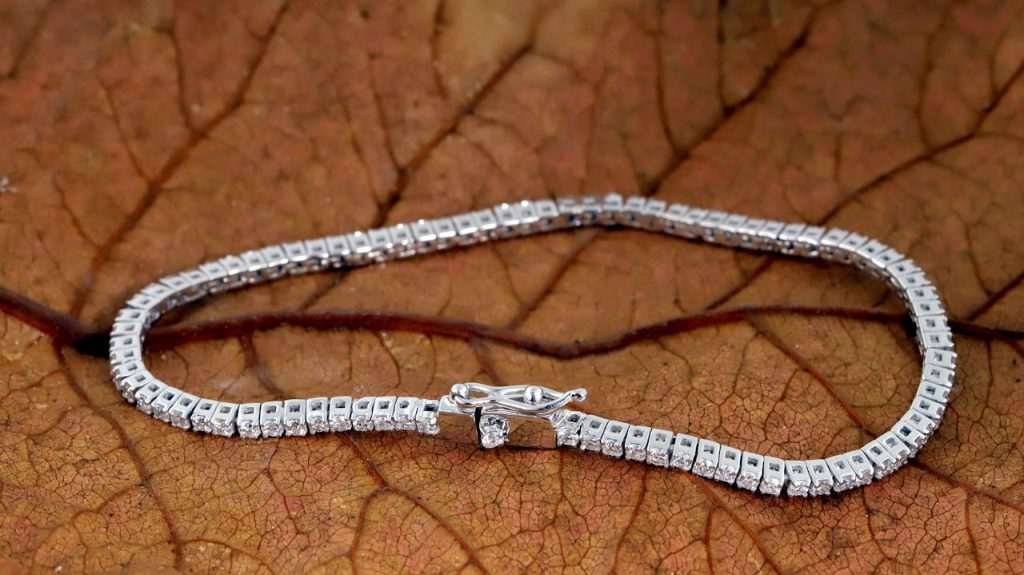
Photo credit: Amazing Clicks by Arjun on Pexels
1. Quiet Luxury Has Replaced Loud Luxury
The shift started in fashion before it reached jewelry. After years of maximalism, oversized logos, and statement-everything dressing, the cultural mood turned. Buyers got tired of being walking advertisements. They wanted pieces that looked expensive without announcing it, that showed up in the details rather than the scale.
Jewelry followed. Out went the heavy chains and oversized pendants. In came delicate, minimal, expertly made pieces that rewarded a closer look. The tennis bracelet fits this aesthetic almost perfectly, which is why it’s having such a sustained moment.
2. The Design Is Inherently Minimalist
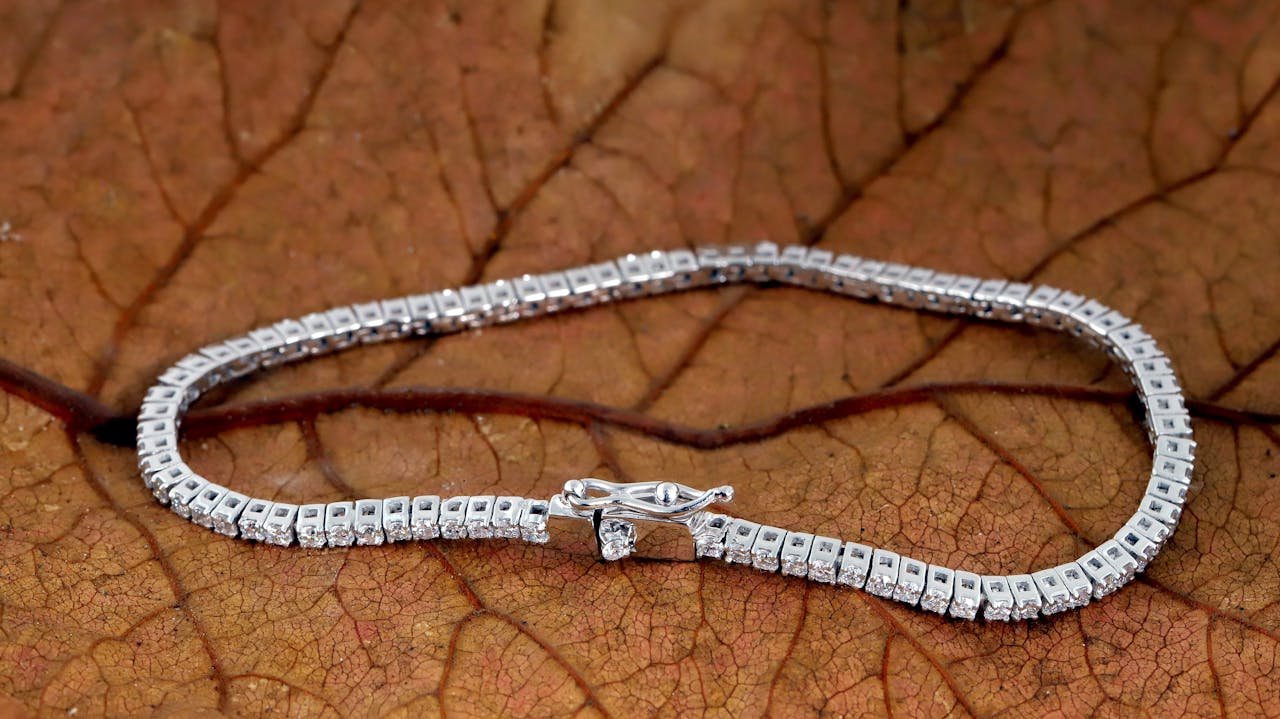
There’s nothing extra about a tennis bracelet. It’s a single line of stones, set in a flexible chain, with no decorative elements, no flourishes, no design language tied to a specific era. That simplicity is exactly what makes it work in the current moment, and exactly what’s kept it relevant across every fashion era for the last 50 years.
Minimalist jewelry trends usually flatten over time as new pieces emerge. The tennis bracelet doesn’t because there’s nothing to flatten. It’s already as simple as the design can get.
3. Smaller Stones, Bigger Impact
One of the most interesting shifts in the trend is the move toward smaller stones. Earlier generations of the tennis bracelet often featured larger, more dramatic diamonds. Today’s most popular versions feature smaller, more uniform stones that create a continuous shimmer rather than a series of individual statements. The effect is more refined, more wearable, and (importantly) more in line with the quiet luxury aesthetic.
Brands like Ritani offer versions across the full spectrum, from delicate everyday styles to more substantial pieces, which makes it easier for buyers to find a version that matches their personal sense of restraint rather than picking from a single dominant style.
4. The Rise of Stacking, Done Tastefully
Minimalist doesn’t mean monastic. The current trend embraces stacking, but with a different sensibility than the maximalist stacking of a few years ago. Today’s stacks are subtler:
• A tennis bracelet paired with a single thin bangle
• Two thin tennis bracelets layered on the same wrist
• A tennis bracelet alongside a watch with a similarly clean face
• A single bracelet worn solo, with no competition
The point isn’t fewer pieces. It’s the right pieces, chosen with intention. That’s the heart of minimalist luxury, and it’s the styling philosophy that’s driving the trend forward.
5. Mixed Metals Are Back
After years of strict same-tone styling, mixed metals are firmly back in style. Yellow gold, white gold, and rose gold are now mixed freely, and tennis bracelets are leading some of the most interesting combinations. A yellow gold tennis bracelet next to a white gold watch. A rose gold version stacked with a delicate yellow chain bangle. The combinations look modern and intentional rather than chaotic.
This is part of why the trend has staying power. It gives buyers permission to layer pieces from different eras and different metals, which extends the life of every piece in their collection.
6. Lab-Grown Stones Are Reshaping the Market
Lab-grown diamonds have changed the math on tennis bracelets dramatically. A piece that used to be reserved for milestone purchases is now accessible at a wider range of price points without compromising on quality, brilliance, or durability. That accessibility is part of what’s driving the trend.
It’s also part of why younger buyers are embracing tennis bracelets earlier in life. Where the piece used to be associated with milestone gifts in your 40s or 50s, it’s now showing up on women in their 20s and 30s as a self-purchase or early-relationship gift.
7. The Investment Case Is Stronger Than Ever
As fashion shifts away from disposable trends and toward pieces that hold value, tennis bracelets are benefiting from the broader “buy less, buy better” mindset. They’re built to last, they don’t go out of style, and their value tends to hold or even appreciate over time, especially as diamond supply and pricing fluctuate.
According to research from McKinsey & Company, the global fine jewelry market continues to grow as consumers shift away from fast fashion accessories and toward enduring, well-made pieces. Tennis bracelets sit squarely in that category, which is part of why demand has remained strong even as other jewelry trends have come and gone.
Final Thoughts
Minimalist luxury isn’t really a trend in the usual sense. It’s more of a correction, a return to the idea that great jewelry should be felt rather than announced. The tennis bracelet has emerged as the centerpiece of that movement because it embodies the philosophy almost perfectly: simple, beautifully made, endlessly versatile, and just as relevant in 30 years as it is today.
If you’ve been watching the trend and wondering whether to invest in a piece, this is the kind of style cycle that doesn’t reverse. Quiet luxury isn’t fading anytime soon, and the tennis bracelet has earned its place as the piece that defines it. The kind of investment that pays off in everyday wear, in long-term value, and in the quiet satisfaction of owning something that genuinely lasts.