This post may contain affiliate links and/or editorial content. Please read our disclosure for more information.
Remote work, virtual school, and hybrid lifestyles have made our living spaces more than just places to eat and sleep. Homes are now offices, classrooms, gyms, and daycares. Every outlet, faucet, and vent carries more weight than it used to. And when one part fails, it doesn’t just inconvenience—it disrupts.
In cities like Roanoke, VA, where weather swings can be sharp and sudden, this matters even more. A surprise snowstorm or an unexpected cold snap doesn’t just change your wardrobe. It puts pressure on your heating systems, your insulation, your windows, and your pipes. Which means preparation isn’t a luxury—it’s a requirement.
In this blog, we will share why home systems deserve more attention before they break, what smart homeowners are doing differently, and how being proactive pays off in comfort, cost, and peace of mind.
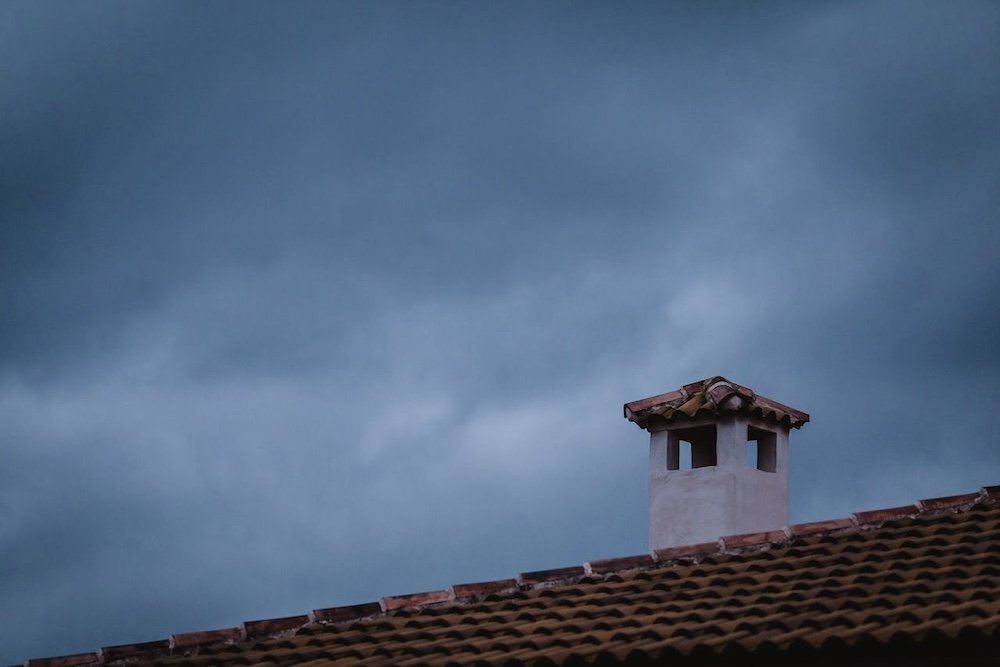
Photo by Juan Pablo Serrano
Systems You Don’t Notice—Until You Do
Most people don’t think about their home systems until they stop working, and when they do, chaos usually follows. But what if these invisible helpers weren’t just emergencies waiting to happen? What if they were treated with the same attention as the new countertops or the paint color in the living room?
A lot of homeowners are starting to think that way. Especially as extreme weather becomes more common. Just last year, ice storms knocked out heat in places that rarely dip below freezing. Sudden heat waves overloaded cooling systems across the South. Power grids, plumbing, and ventilation systems that were fine before now show cracks under pressure.
That’s why people are investing in readiness—not just repairs. They’re doing pre-season checkups. They’re replacing filters. And when it comes to heating systems, they’re looking for a reliable company that specializes in furnace repair in Roanoke, VA, before something goes wrong. They want someone who knows the local climate and the specific demands of homes in that area.
Skyrocketing energy prices have also made efficiency a top priority. A system that has to work twice as hard to produce the same result wastes money. Smart maintenance can keep systems running smoothly, which cuts down on cost and stress. This isn’t just about being handy. It’s about being prepared.
Prevention Is Less Sexy Than a Renovation, But More Useful
Scroll through any home improvement site and you’ll see plenty of kitchen makeovers and bathroom remodels. But the best return on investment isn’t always in the backsplash. It’s in the furnace; you don’t have to replace it early. Or the pipes that don’t burst in January. Or the ventilation system that keeps your indoor air from feeling like a stale shoebox.
These fixes aren’t flashy. You can’t post a before-and-after photo of a tuned-up boiler. But they save you from unexpected chaos, which in a home filled with people, pets, and daily routines, is worth a lot.
Why Routine Isn’t Boring When It Comes to Safety
One reason emergencies feel so intense is that they break routine. And for families, that’s a huge deal. Parents rely on rhythm to get through the week. If the heat is out, everything becomes harder. Baths get skipped. Kids can’t sleep. Work calls happen in coats. And if pipes freeze or ovens short out, the domino effect is real.
That’s why planning matters. And the good news is, it doesn’t take much to build smart habits. Just a few steps each season can make all the difference:
- Check your HVAC filters monthly during high-use seasons.
- Schedule a professional inspection of your heating and cooling system once a year.
- Keep a list of emergency contacts—not just 911, but the electrician, the plumber, the HVAC tech.
- Know where your water shutoff valve is. Seriously.
- Keep batteries in your smoke detectors fresh and test them every time you flip the clocks.
These are not complicated moves. But they build a safety net that holds when systems get tested.
Smart Homes Are Only as Smart as Their Owners
With all the new technology in home systems, it’s easy to assume the house will manage itself. But a smart thermostat won’t fix a broken duct. And an app that tells you your furnace is offline won’t bring it back.
Technology is a tool. Preparation is a mindset. A good system can tell you when something’s wrong. A great homeowner knows what to do next.
That’s why some people are investing in home maintenance subscriptions or seasonal inspection services. They don’t wait for a strange noise to call in help. They’ve already built the relationship. When the cold hits, they don’t wonder who to call. They already know.
The Emotional Payoff of Being Prepared
There’s also a mental health angle here. Emergencies take an emotional toll. When something in the house breaks, it can feel like a personal failure. Especially for people who take pride in being organized or capable.
But being proactive flips that script. Instead of reacting in panic, you act with intention. That builds confidence. It also models resilience for kids and partners who see how you handle setbacks.
In uncertain times, that kind of steadiness matters. It’s not just about staying warm or keeping the fridge cold. It’s about keeping your cool when things get rough.
And when everything works the way it should, no one notices. Which is exactly the point.
The bottom line?
Most people don’t think about their furnace until it’s too late. Or their circuit panel. Or the insulation in the attic. But those forgotten systems are what keep life moving when everything outside starts to shift.
Being ready isn’t complicated. It just requires attention before disaster strikes. And when you live in a place where the weather has moods—and it always does—being prepared turns your house into a true refuge.
It’s not just about fixing what breaks. It’s about building a home that holds up. A home that works when you need it most.
She Owns It partners with others through contributor posts, affiliate links, and sponsored content. We are compensated for sponsored content. Our disclosure page outlines the details. The views and opinions expressed reflect those of our guest contributor, interviewee, or sponsor. We have evaluated the links and content to the best of our ability at this time to make sure they meet our guidelines. As links and information evolve and change, we ask that readers do their due diligence, research, and consult with professionals as needed.
The publication of Content on the site does not constitute an endorsement by She Owns It. If you have questions or concerns about any content published on our site, please let us know. We strive only to publish ethical content that supports our community. Thank you for supporting the brands that support this blog.