This post may contain affiliate links and/or editorial content and is for informational purposes only. Please read our disclosure for more information.
If your business is growing, space problems tend to show up at the worst possible time. One week, you are feeling organized, and the next week, boxes, tools, or extra inventory seem to multiply on their own. Renting more commercial space is not always the best answer, especially when you need flexibility. That is why many business owners are looking at shipping containers as a simple, practical way to create room for growth without taking on a major long-term commitment.
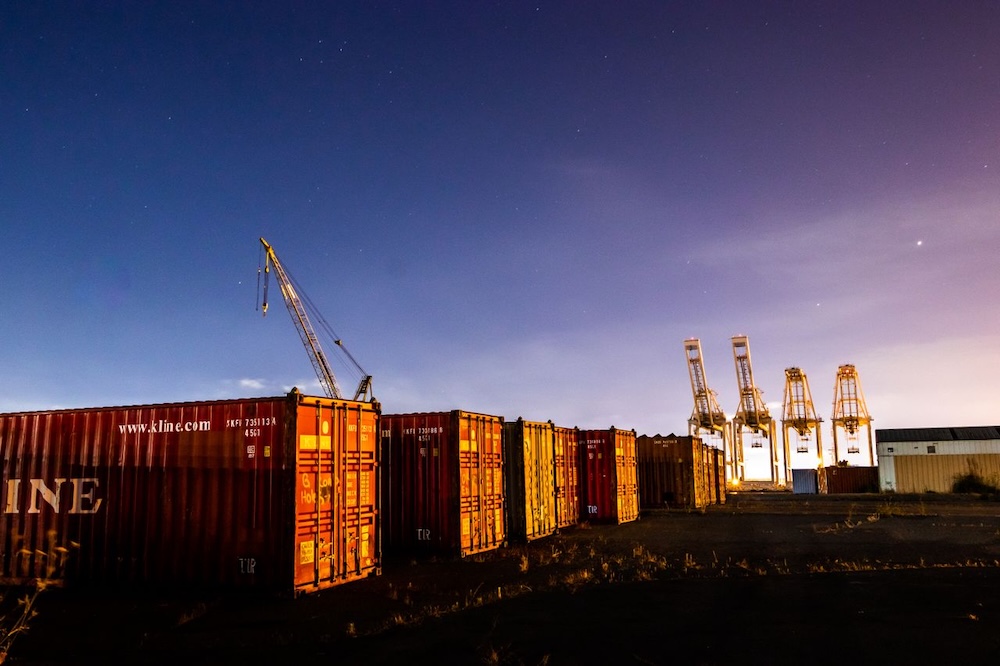
Photo credit: Griffin Wooldridge on Pexels
Why Containers Appeal
If you are exploring shipping containers for sale, you are probably looking for a space solution that is straightforward, durable, and easy to put to work. That appeal makes sense. A container gives you usable space without the cost and delay of a full construction project.
For many business owners, the biggest advantage is flexibility. You can use a container for storage now and adapt it later if your needs change. That matters when your business is still evolving or when seasonal demand keeps shifting your priorities.
Containers also feel practical in a way that many business purchases do not. You can often place one on your property, organize it around your workflow, and start using it quickly. It is not glamorous, but neither is tripping over extra inventory in your office. Sometimes the smartest business move is simply giving your operation room to breathe.
Affordable Space Solutions
Expanding your business usually sounds exciting until the invoices arrive. Leasing more space, building an addition, or moving to a larger property can put real pressure on your budget. A container often offers a more manageable option, especially if you need function more than fancy finishes.
This can be useful if you run a product-based business and need a spot for extra stock. It can also help if you manage equipment, event supplies, seasonal displays, or records that should not be stacked in every corner of your main workspace. You are creating capacity without committing to a much larger overhead structure.
For smaller businesses, that kind of breathing room matters. Maybe you own a landscaping company and need secure equipment storage. Maybe you sell online and your spare room has turned into a mini warehouse. A container can solve a problem that is growing right alongside your business. It is not just about saving money. It is about spending carefully while still moving forward.
Business Uses That Fit
One reason containers work well for business is that they are not limited to a single use. You can shape them around the kind of work you do. That makes them attractive for owners who need practical tools, not one-size-fits-all solutions.
A common use is storage. If you carry extra inventory, supplies, documents, tools, or fixtures, a container can help you keep those items protected and organized. That alone can make daily operations smoother.
Some businesses also use containers for temporary or mobile setups. A pop-up retail space, event booth support area, or job site supply station can all benefit from a durable structure that is easier to manage than a full building. If your business operates in changing locations, that flexibility becomes even more valuable.
Containers can also support back-end operations. You might use one to separate packing materials from office space, hold promotional items, or store seasonal equipment. It is a simple idea, but simple ideas often save the most headaches. A tidy workflow is less exciting than a big launch, yet it usually helps your business more every single day.
What To Check First
Before you buy, it helps to think through your actual needs instead of jumping at the first option that seems affordable. Start with size. A container that is too small will frustrate you quickly, while one that is too large may waste money and space.
Condition matters too. Some business owners need a basic storage solution, while others want a cleaner-looking unit for customer-facing or upgraded use. Be honest about how the container will function in your day-to-day operations.
You should also look at delivery access. A container may fit on your property in theory, but delivery still requires enough room for the truck and placement process. That is one of those details people forget until the big day arrives, which is not ideal.
Finally, check local zoning, permits, or site restrictions. Rules vary by area, and it is better to know them before making a purchase. If you understand your intended use, location, and space limits clearly, you will make a better decision and avoid paying for a fixable mistake.
Planning For Daily Use
Buying a container is only part of the process. You also want to make sure it works well once it is in place. That means thinking about how you will use it every day, not just how it looks on paper.
Start with access. If employees need to get in and out often, plan for a clear path and a sensible layout inside. You do not want important materials buried behind items you rarely use. Good organization can make a basic container feel far more efficient.
Security should also be part of your setup. If you are storing tools, products, or valuable materials, strong locking systems and thoughtful placement can help protect your investment. Lighting matters as well, especially if you need early morning or evening access.
Weather protection is another practical concern. Depending on what you store, you may need ventilation, moisture control, or simple interior improvements. You do not need to turn it into a luxury suite. You just need it to support your business reliably. The goal is to make the space useful, easy to manage, and ready for real work.
Making A Confident Purchase
A container can be a smart business investment when it solves a real operational problem. That is the key idea to keep in mind. You are not buying extra space just because it sounds useful. You are buying a tool that should support efficiency, organization, and growth.
Think about timing. If your inventory is increasing, your equipment needs better protection, or your team is losing time because of poor storage, the purchase may make sense now rather than later. Waiting too long can create costs of its own, even if they do not show up as one neat line item.
It also helps to think long term. A container that fits your business today may continue serving you as your needs change. That kind of adaptability adds value beyond the initial purchase price.
Finally, choose a supplier you can trust. Clear product details, reliable communication, and a realistic understanding of your needs go a long way. When you approach the decision carefully, a shipping container can become one of the most practical growth tools your business owns.