This post may contain affiliate links and/or editorial content and is for informational purposes only. Please read our disclosure for more information.
Most people give very little thought to the water lines running behind their walls until something goes wrong. Water is used dozens of times a day in an average household, from washing hands and dishes to showers and laundry, and every one of those moments depends on a network of pipes, valves, and fixtures doing exactly what they were built to do. When that network is treated well, it can serve a house quietly for decades. When it is neglected, small issues turn into expensive ones faster than most homeowners expect.
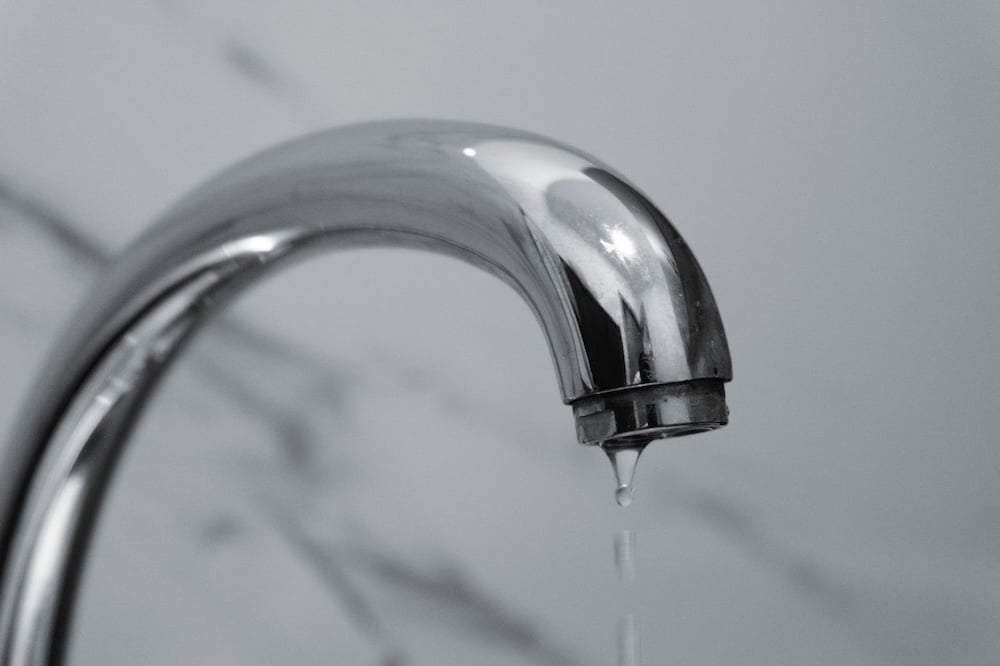
Photo credit: Zulfugar Karimov on Pexels
Knowing What Runs Through Your Walls
Before anything can be maintained, it helps to understand the basic layout of the system. Fresh water arrives under pressure through supply lines and is distributed to sinks, tubs, toilets, and appliances. Used water leaves through drain lines that rely on gravity and proper venting rather than pressure. Those two halves behave very differently, which is why a supply issue shows up as spraying or dripping while a drain issue shows up as slow water or gurgling.
Every home also has a main shutoff valve, and every adult in the house should know where it is. Locating it during a calm afternoon is far easier than searching for it while water is spreading across a floor. Older houses often place it near where the line enters the basement or crawl space, while newer builds may put it in a utility closet. If yours is stiff or corroded, that is worth addressing before you ever need to turn it. When something does go sideways, and the problem is beyond a wrench and a bucket, the sensible move is to bring in a full-service company like Ken Neyer Plumbing to diagnose and repair the line properly. A capable team arrives with the equipment to find the source instead of guessing at it.
Watching the Small Signs
Systems rarely fail without warning. They give hints, and the hints are easy to dismiss. A faucet that drips after being shut off tightly usually means a worn washer or cartridge inside. A toilet that runs intermittently through the night is losing water past a flapper that no longer seals. A shower that takes longer than it used to reach full pressure may point to mineral buildup in the aerator or the line.
Pay attention to sound as much as sight. Knocking or banging when a valve closes suggests pressure moving too abruptly through the pipes. A faint hissing when no fixture is running can indicate water escaping somewhere out of view. Rising water bills without any change in household habits is one of the clearest signals of all, since water that is not being used still has to be going somewhere.
Stains are the last warning stage. Discoloration on a ceiling below a bathroom, soft spots on baseboards, or a musty smell in a closet all mean moisture has been present long enough to affect building materials. At that point, the repair usually involves more than the pipe itself.
Treating Drains the Right Way
Drain trouble is the most common household complaint, and most of it is self-inflicted. Kitchen lines suffer from grease, which pours in as a liquid and hardens into a coating that narrows the pipe a little more with every meal. Cooking fat belongs in a container that goes in the trash, not down the sink. Coffee grounds, starchy scraps, and fibrous vegetable peels also collect rather than flush through.
Bathroom lines fight hair and soap residue, which bind together into a mass that catches everything behind it. A simple mesh strainer over the shower drain costs very little and prevents a large share of these clogs. Toilets should handle only waste and toilet paper. Wipes labeled flushable rarely break down the way paper does, and they are a leading cause of blocked lines.
Chemical drain openers deserve caution. They generate heat, they can damage older pipe materials, and they often clear just enough of a path to make the problem seem solved while the underlying blockage stays put. Mechanical clearing is more thorough and does not leave caustic liquid sitting in the line.
Adjusting for the Seasons
Weather puts a different set of demands on a house through the year. Cold months bring the risk of freezing in any line that runs through an unheated space, including garages, crawl spaces, and exterior walls. Pipe insulation sleeves are inexpensive and make a real difference. Outdoor spigots should be shut off from the interior valve and drained before the first hard freeze, with hoses disconnected and stored. During a deep cold snap, letting a faucet drip on the coldest exterior wall keeps water moving and reduces the chance of a freeze.
Warmer months shift the load elsewhere. Heavy rain tests sump pumps and basement drainage, so pumps should be tested before storm season by pouring a bucket of water into the pit and confirming that the float rises and the unit cycles. Yard irrigation and garden hoses increase demand on supply lines, and roots seeking moisture in dry stretches can find their way into buried drain lines through the smallest gap.
Building Simple Habits That Last
The households that avoid major problems are not the ones with new construction. They are the ones with routines. Once a season, walk the house with a flashlight and look under every sink for dampness, corrosion, or mineral crust around fittings. Check the flexible supply lines feeding the washing machine, dishwasher, and refrigerator, since braided lines eventually fail and rubber ones fail sooner. Replacing a twelve-dollar hose is far cheaper than replacing a floor.
Test each shutoff valve by turning it closed and open again. Valves that are never moved tend to seize, which is the worst possible discovery in the middle of a problem. Look at your water heater as well. Sediment settles at the bottom of the tank over time and reduces both efficiency and lifespan, and the pressure relief valve should be verified as functional.
Keep a written record of what was repaired and when. Over the years, that log tells you whether a particular section of the house is developing a pattern, which is often the difference between a series of patches and a real fix. A plumbing system that gets a few minutes of attention every few months tends to give a house very little trouble at all, and that quiet reliability is exactly what good maintenance buys.