This post may contain affiliate links and/or editorial content and is for informational purposes only. Please read our disclosure for more information.
If you live in a place with real winter, your heating system is not just another appliance. It is the quiet machine standing between you and a house that feels like a walk-in freezer. In Columbus, where cold snaps can hit hard and older homes are common, heating issues often show up in subtle ways before turning into expensive problems. If you know what to watch for, you can act early and keep your home comfortable without unnecessary stress.
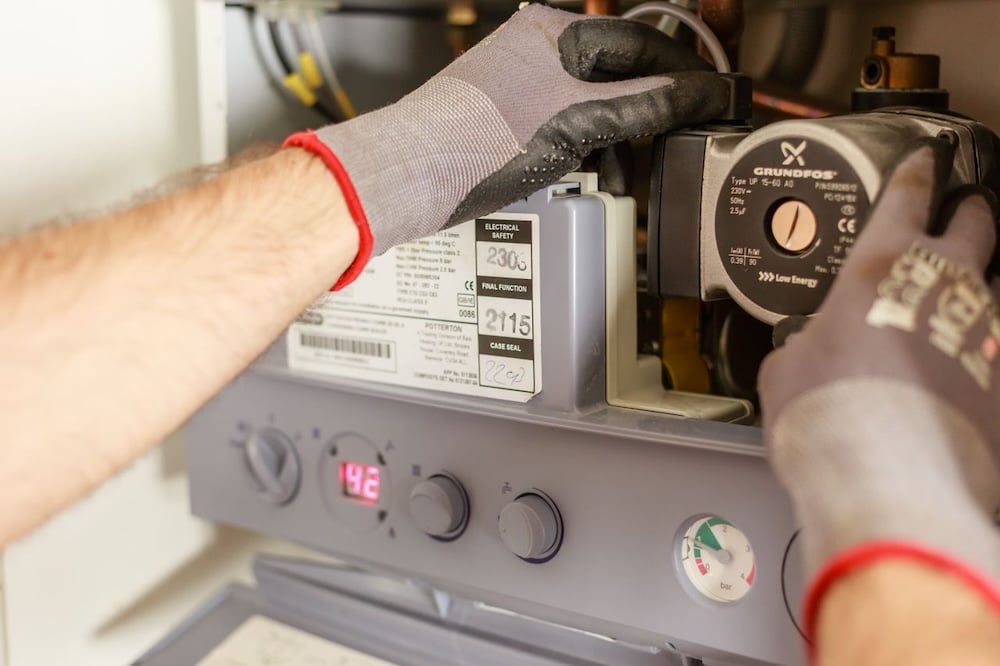
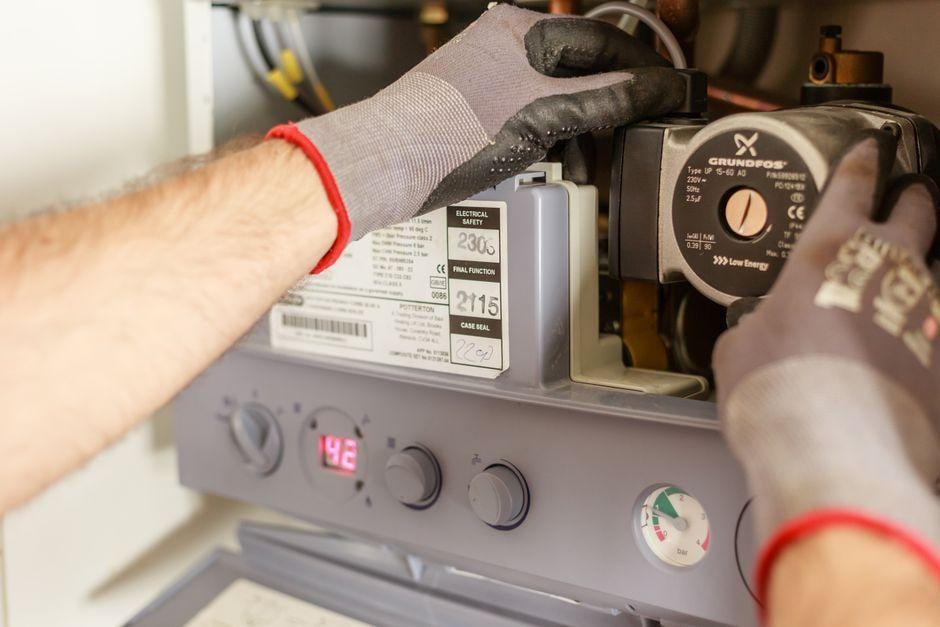
Photo credit: Heiko Ruth on Pexels
Your Energy Bills Start Acting Strange
One of the first warning signs is a utility bill that climbs even though your routine has not changed. If you are using the same thermostat settings but paying much more, your system may be working harder than it should.
That can happen when parts wear down, airflow gets restricted, or the unit loses efficiency with age. A furnace that runs longer than normal is basically burning money while pretending everything is fine.
Pay attention to month-to-month patterns instead of one isolated bill. A small increase during a colder week is normal. A steady upward trend deserves a closer look, especially if your home still does not feel consistently warm.
Some Rooms Feel Cozy, and Others Feel Like a Basement
Uneven heating is more than annoying. It often points to a problem with airflow, ductwork, insulation, or the heating unit itself. If your bedroom is warm but your living room feels chilly, your system may not be distributing heat properly.
You might first notice this in two-story homes, older houses, or spaces with additions. Closing vents in certain rooms usually does not solve the issue and can sometimes make it worse.
A technician can check whether the problem comes from leaking ducts, blocked vents, an aging blower motor, or a furnace that is the wrong size for the home. Comfort should not depend on which room you happen to be standing in.
Your Furnace Makes New Noises
Heating systems are not silent, but they should be predictable. If you suddenly hear banging, squealing, rattling, or grinding, something has changed inside the equipment.
A loose component can create rattling. A failing motor bearing may squeal. Delayed ignition can produce a bang that sounds far too dramatic for a machine in the basement. None of these noises count as personality.
The key detail is whether the sound is new or getting louder. Mechanical issues rarely improve on their own. Catching them early can prevent a bigger breakdown, and in some cases, reduce the chance of damage spreading to other parts.
The System Cycles Too Often or Runs Constantly
A healthy heating system turns on, reaches the set temperature, and turns off. If it starts cycling on and off every few minutes, or it seems to run all day without keeping up, that is a red flag.
Short cycling can be tied to thermostat trouble, dirty filters, overheating, or an oversized unit. Constant operation may point to low efficiency, heat loss, or internal wear. Both patterns put extra strain on the system.
Check the easy things first. Replace the air filter, make sure vents are open, and confirm the thermostat is not near a drafty window. If the pattern continues, professional diagnosis makes more sense than guessing and hoping.
The Air Feels Dry, Dusty, or Stale
A struggling heating system can affect indoor air quality in ways you notice before you identify the source. More dust around vents, dry air that irritates your throat, and stale-smelling rooms can all be tied to poor filtration or airflow issues.
This matters more than comfort alone. Indoor air quality affects sleep, allergies, and how fresh your home feels day to day. If your furnace is older, it may not be handling air circulation efficiently anymore.
In some cases, the fix is simple maintenance. In others, you may need system updates or professional heating repair and installation to restore both performance and air quality. Heat should warm your home, not make it feel dusty and drained.
You Notice Odd Smells When the Heat Turns On
A brief dusty smell at the start of the season can be normal. It usually means the system is burning off debris that settled during warmer months. Strong, persistent, or unusual odors are a different story.
A musty smell can signal moisture issues. A burning smell may point to electrical trouble or overheating components. If you ever smell gas, leave the house and contact the utility company or emergency services immediately.
Trust your nose here. Strange odors are often one of the clearest signs that your system needs attention. Ignoring them can risk comfort, equipment health, and in certain cases, safety.
Your Thermostat Setting and Actual Comfort Do Not Match
If the thermostat says 70 but the house feels like 63, the problem may not be your imagination. It could be a failing thermostat, poor calibration, sensor issues, or a heating system that simply cannot deliver the requested temperature.
Smart thermostats help, but they are not magic. If the equipment behind the wall is struggling, fancy scheduling features will not fix the underlying issue.
Try comparing the thermostat reading with a separate indoor thermometer. If there is a major difference, you may have found the first clue. Consistent comfort depends on both accurate controls and a heating system that responds the way it should.
Age Matters More Than Most Homeowners Realize
Many furnaces can last 15 to 20 years with good maintenance, but age changes the math. Older systems tend to lose efficiency, need more repairs, and use outdated components that are harder to replace.
If your system is more than 12 years old and showing several warning signs, repeated repairs may not be the smartest move. At a certain point, patching things together starts to cost more than it saves.
This is especially relevant in cities like Columbus, where winter demand can push older equipment hard. An aging unit might survive one more season, but survival is a pretty low bar when comfort and reliability are on the line.
What You Can Check Before Calling a Professional
A few basic checks can save time and help you describe the issue clearly. Start with the air filter. If it is dirty, replace it. Look at the thermostat batteries, confirm the settings are correct, and make sure vents are not blocked by furniture or rugs.
You can also inspect visible duct connections for obvious gaps and listen for where unusual sounds seem to start. Write down when the problem happens, how often, and whether weather conditions affect it.
That said, heating systems involve gas lines, electrical components, combustion, and ventilation. If the issue goes beyond basic maintenance, professional service is the safer and smarter call.
Acting Early Usually Costs Less Than Waiting
The biggest mistake many homeowners make is waiting until the system stops completely. By then, repair options can be narrower, emergency calls can cost more, and your house may get uncomfortable fast.
Early action gives you choices. You can schedule service before peak demand, compare repair versus replacement options, and fix smaller issues before they trigger bigger ones.
Your heating system rarely fails without warning. It usually sends signals through noise, airflow, billing changes, and uneven comfort. If you pay attention to those clues, you can stay ahead of the problem and keep your home warm without last-minute chaos. That is a much better plan than discovering your furnace has given up during the coldest week of the year.