This post may contain affiliate links and/or editorial content and is for informational purposes only. Please read our disclosure for more information.
A concert at Red Rocks feels bigger than a normal night out. You’re dealing with altitude, weather swings, traffic, steep stairs, and one of the most famous venues near Denver. If you’re visiting Colorado, the setting alone can turn a basic show into a full trip plan. If you live nearby, you already know Red Rocks has a way of making even experienced concertgoers underestimate the logistics. A little planning keeps the magic high and the stress level low.
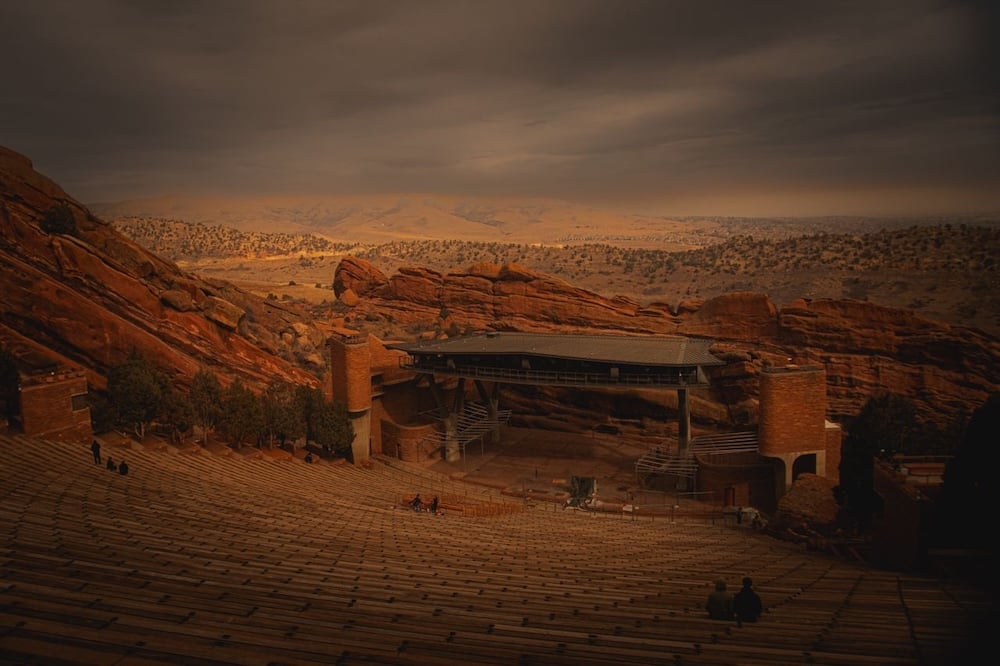
Photo credit: Noel Aph on Pexels
What makes Red Rocks different from a typical concert venue
Red Rocks Amphitheatre isn’t just a place where a band shows up, and you clap on schedule. It’s an open-air venue built into towering rock formations, and that changes almost everything about your experience. Sound carries differently, the view steals attention, and the stairs can humble you faster than a leg day gone wrong.
You’re also dealing with Colorado conditions, which can shift quickly. A warm afternoon can slide into a chilly evening with wind that makes you wish you had packed one more layer. Unlike an indoor arena, there’s no sealed-off bubble keeping conditions predictable.
That unpredictability is part of the appeal. You get a concert that feels cinematic, but you also need to think like someone planning an outing in the real world, not just tapping “buy now” and hoping for the best.
How to choose the right event for your schedule and budget
Not every Red Rocks show creates the same experience. Some concerts pull huge crowds and long parking delays, while others feel more relaxed and easier to manage. Before you commit, check the artist, date, start time, and how that fits with your travel plans, school schedule, work, or next-day obligations.
If you want the broadest range of options, it helps to search for Red Rocks Amphitheatre event tickets early, especially for major acts. Popular shows can get expensive fast, and last-minute buying isn’t always the bold move people think it is.
You should also factor in the hidden budget items:
– Parking and transportation
– Food and drinks
– Extra layers or rain gear
– Possible hotel costs if you’re not local
The ticket price is only the opening act. The rest of the night has expenses waiting backstage.
What you should wear and bring so the night stays fun
Red Rocks rewards practical decisions. You do not need to dress like you’re hiking a fourteen-thousand-foot peak, but you also should not show up in shoes that surrender on stairs. Comfortable sneakers or boots are usually the smartest pick.
A light jacket or hoodie matters more than many first-time visitors expect. Even if the weather app looks friendly at noon, evening temperatures can drop quickly. If there’s any chance of rain, bring compact gear that won’t annoy you while you’re carrying it.
A few essentials can make your night smoother:
– Your ticket and ID
– A charged phone
– Water, if venue rules allow it
– A small bag that follows size policies
– Ear protection if you’re sensitive to loud sound
Check venue rules before leaving. Security policies, bag restrictions, and permitted items can change. Nothing ruins pre-show excitement like doing emergency bag surgery in a parking lot.
How to handle parking, traffic, and arrival time like a pro
This is where many good nights start wobbling. Red Rocks traffic can build up quickly, especially for high-demand shows. If you arrive too close to showtime, you may spend more time in a car line than you planned, then speed-walk uphill questioning every life choice.
Getting there early gives you better parking options, less stress, and time to settle in. You can enjoy the scenery, find your entrance, and avoid the panicked rush that turns a fun event into a cardio challenge. If you’re going with friends, coordinate departure times clearly. “We’ll leave soon” has destroyed many solid plans.
Rideshare can help, but pickup after the show may be crowded and slow. Driving yourself gives more control, though it comes with parking strategy and post-show traffic. Either way, build in buffer time. Red Rocks runs on concert energy, not perfect efficiency.
Why seat location changes the whole experience
At Red Rocks, seat choice affects more than your view of the stage. It changes how steep your walk feels, how centered the sound seems, and how much time you’ll spend climbing. Lower rows can feel closer and more immersive, but they may involve heavier foot traffic and a different angle on the overall scenery.
Higher rows often give you a wider view of the venue and skyline, which many people love. The tradeoff is the climb. If anyone in your group has mobility concerns or just hates long stair hauls, this deserves actual thought, not casual optimism.
When comparing tickets, think about:
– Distance from entrances
– Elevation and stair load
– View preferences
– Budget limits
– Group needs and comfort
The best seat isn’t always the most expensive one. It’s the one that fits the kind of night you actually want.
How to make the concert part of a bigger Colorado outing
A Red Rocks event can work as more than a one-evening plan. If you’re visiting the Denver area, you can turn the show into a weekend with hiking, local food, sightseeing, or time in nearby mountain towns. That approach makes the trip feel less rushed and gives you room to enjoy the venue without treating the whole day like a military operation.
If you live in Colorado, you can still make it feel special. Grab dinner in Denver, head out early for the views, or plan a laid-back morning after instead of stacking your schedule too tightly. The point is to leave room for the event to breathe.
That matters because Red Rocks isn’t usually a forgettable stop on a checklist. It tends to become the story you retell, especially when the weather, music, and scenery all line up at once.
Common mistakes that can quietly ruin the night
Most Red Rocks mistakes are preventable, which somehow makes them more irritating. People underestimate the walk, forget layers, arrive late, or assume concert logistics will sort themselves out. They usually do sort themselves out, just not always in your favor.
A few common problems show up again and again:
– Wearing shoes that are stylish but useless on stairs
– Ignoring changing weather
– Not eating beforehand
– Failing to check venue policies
– Booking tickets without thinking about seat location
It also helps to be realistic about energy. If you’re not used to altitude or long walks, pace yourself. Chugging up steep steps while trying to look composed is a classic Red Rocks experience, but you don’t need to volunteer for it.
Planning a little better means you spend less time fixing mistakes and more time enjoying a venue that genuinely lives up to the hype.
How to leave with great memories instead of avoidable stress
The best Red Rocks nights usually feel effortless once they begin, but they rarely happen by accident. You give yourself a better shot when you choose the right show, buy tickets early, dress for conditions, and respect the venue’s very real physical demands.
You don’t need a complicated spreadsheet or elite event-planning skills. You just need a smart approach and a little honesty about what kind of experience you want. Maybe that means premium seats and an early arrival. Maybe it means a budget-friendly spot and extra focus on timing.
Either way, Red Rocks can deliver one of those nights that stays vivid long after the setlist fades. A little preparation keeps the memories centered on the music, the view, and the feeling of being there, not on cold hands, bad parking, and regret.