This post may contain affiliate links and/or editorial content. See our disclosure statement for details.
Major events give growing brands a rare chance to meet customers, partners, and media contacts in one focused setting. Yet visibility depends on more than reserving floor space and displaying a logo. Your exhibit must communicate a clear message, support meaningful conversations, and work smoothly from setup through follow-up. Careful preparation helps your team turn a busy event into measurable business opportunities while presenting the brand with confidence.
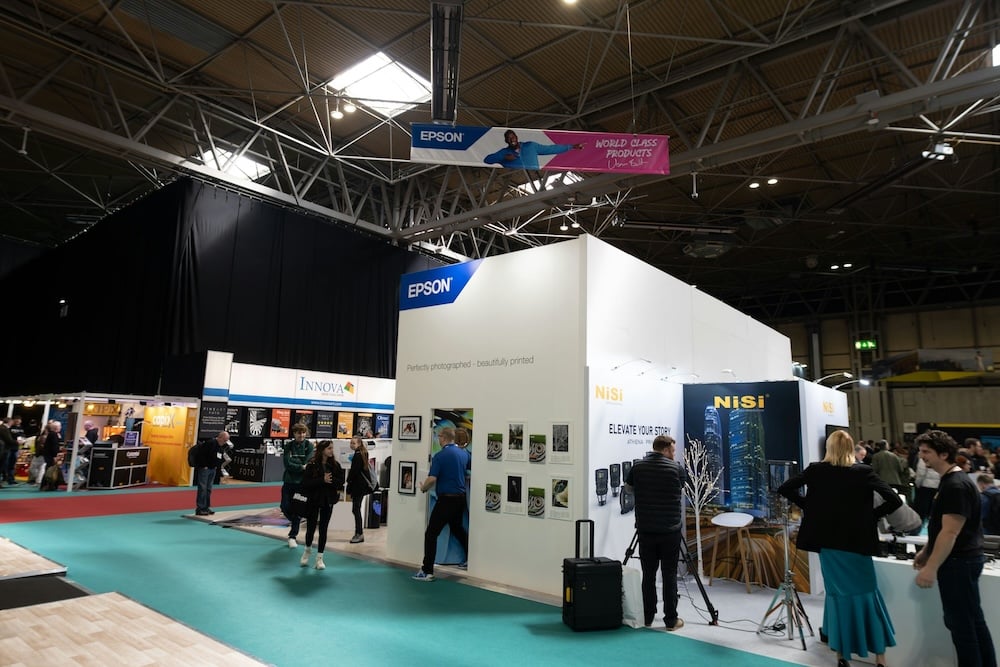
Photo by Jonny Gios on Unsplash
Why Event Presence Matters
Face-to-face events create interactions that digital channels often struggle to reproduce. Visitors can see a product in use, ask detailed questions, and get a direct sense of the people behind the company. These conversations can build trust faster than a series of online ads.
Events also support broader brand awareness goals. A distinctive display may appear in attendee photos, social posts, and media coverage long after the doors close. Brands seeking visibility beyond traditional trade shows can learn from the principles behind celebrity gifting lounges, where thoughtful presentation and personal interaction help products attract attention at major entertainment events.
Strategic Planning for Success
Start planning several months before the event. Set two or three measurable goals, such as scheduling 20 qualified sales meetings, collecting 150 relevant contacts, or demonstrating a new service 30 times. These targets should guide your staffing, booth layout, and promotional choices.
A written production schedule should include design approvals, shipping dates, venue access times, and assigned responsibilities. Professional trade show installs can support exhibitors that need booth assembly, graphics and signage installation, electrical and audiovisual setup, or dismantling labor. Early coordination helps vendors understand the design and venue rules before installation begins.
Use strategic event planning to connect each on-site activity with a wider brand objective. This keeps spending focused on elements that serve a defined purpose.
Crafting an Unforgettable Exhibit
A strong exhibit explains the brand’s value within a few seconds. Place one concise message where people can read it from the aisle, then support it with clean graphics and a clear demonstration area. Too many competing headlines force visitors to work harder to understand what you offer.
Design the space around expected behavior. If your team will hold short consultations, include a welcoming counter and accessible product materials. A scheduled demonstration may need a screen, open sightlines, and enough standing room for a small group. Keep storage hidden so boxes and personal belongings don’t distract from the display.
Interactive features should serve the message. A useful assessment, product trial, or brief guided activity gives visitors a natural reason to stop and talk.
Ensuring a Flawless Presentation
Test every physical and digital component before shipping. Check screens, cables, lighting, graphics, and presentation files, then pack labeled backups for small items that could delay setup. Your event file should contain vendor contacts, booth drawings, tracking details, and the venue’s move-in instructions.
Prepare the team with the same care. Each person should know the main brand message, common visitor questions, and the process for recording leads. Hold a short practice session where staff members rehearse a 30-second introduction and several realistic conversations.
Inspect the completed exhibit from the aisle before opening. Confirm that text is readable, screens are running correctly, and visitor paths remain clear. A final photo also gives your team a reference for future events.
Maximizing Post-Event Engagement
Follow up while conversations are still fresh, ideally within two business days. Sort contacts by interest and agreed next step. A visitor who requested a proposal needs a different message from someone who entered a giveaway or attended a demonstration.
Effective event marketing strategies extend beyond the show floor through timely email, useful content, and coordinated social coverage. Personalize your outreach with a detail from the conversation, then provide the resource or action you promised.
Review performance once follow-up is underway. Compare qualified contacts, scheduled meetings, and resulting sales with your original goals. Record which display elements drew attention and which questions appeared repeatedly. Those notes can shape your messaging, staffing plan, and exhibit design for the next event, turning one appearance into a repeatable source of brand growth.