This post may contain affiliate links and/or editorial content. Please read our disclosure for more information.
Starting a supplement brand is an exciting and rewarding venture, especially for female entrepreneurs looking to make their mark in the booming health and wellness industry. As consumer interest in supplements continues to grow, the opportunities for entrepreneurial women are abundant. However, while the potential for success is high, the path to building a successful supplement brand requires more than just passion and a great product idea. It demands thoughtful decisions about every aspect of the manufacturing process—from choosing the right supplier to ensuring the product meets industry standards.
The supplement industry is highly competitive, and consumers have become more informed than ever about the products they put into their bodies. For female entrepreneurs, ensuring that their supplement brand stands out requires more than just good marketing; it requires building a brand based on trust, quality, and transparency. As the owner of a supplement brand, one of your most critical roles is to make manufacturing decisions that align with your vision for the company and meet the needs of your target market.
These manufacturing decisions will lay the foundation for your brand’s reputation and growth. From choosing a reliable supplement manufacturer to formulating your product, packaging, and navigating pricing and compliance, every choice you make plays a significant role in the success of your brand. The following breakdown offers insight into the key manufacturing decisions every female entrepreneur must make to build a successful and sustainable supplement brand.
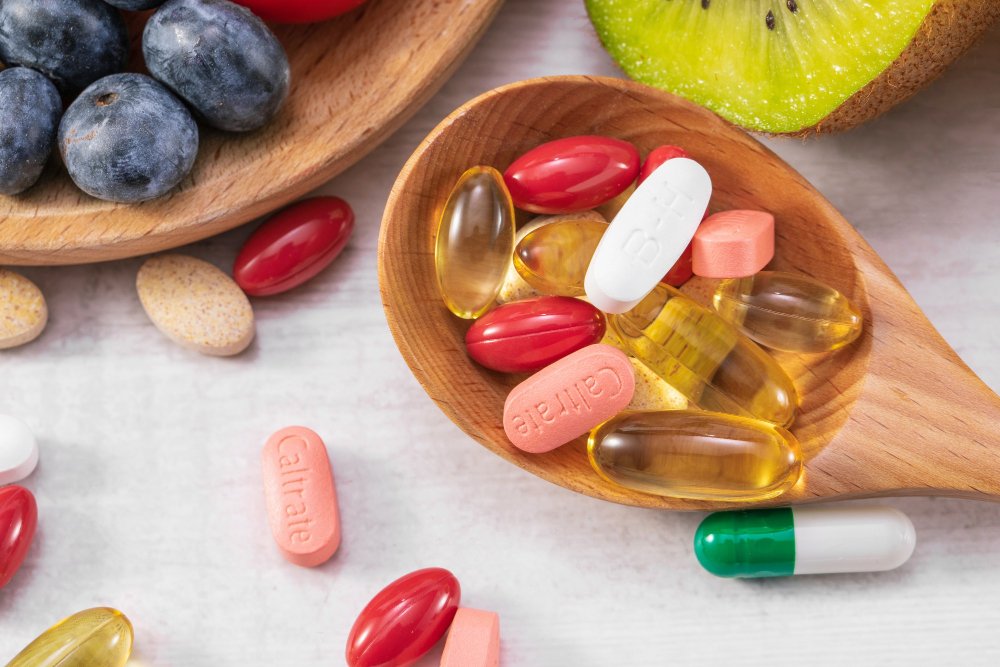
Photo credit: Freepik
Choosing the Right Supplement Manufacturer
The manufacturer you choose will be the backbone of your brand. This decision is pivotal because it affects not only the quality of the product but also your ability to meet customer expectations and regulatory requirements. Your manufacturing partner is responsible for producing the product that consumers will trust, and finding the right one requires careful consideration.
When selecting a manufacturer, start by looking for one that prioritizes quality control. A reputable manufacturer will have strong quality control measures in place, ensuring that each batch of supplements meets your exact specifications and industry standards. You should choose a manufacturer that uses high-quality ingredients, performs necessary testing, and complies with Good Manufacturing Practices (GMP) to ensure safety and consistency.
The manufacturer’s experience with your specific type of product also matters. If you’re creating protein powders, herbal supplements, or vitamins, make sure the manufacturer has a history of producing similar products. Their expertise will ensure that your supplement is made correctly, with the proper attention to detail, and according to all relevant regulations.
Scalability is another essential factor to consider. As your brand grows, you need a manufacturing partner that can scale production to meet increased demand. Choosing a manufacturer with the capacity to handle both small initial orders and larger volumes as your business expands will ensure that you can meet consumer demand without sacrificing quality.
Finally, communication and transparency are key. Your manufacturer should be open about their processes and willing to address any concerns or challenges that may arise during production. A good partnership involves clear communication, and you should feel confident that the manufacturer will work with you every step of the way to ensure product quality and timely delivery.
Formulating Your Supplement
Once you’ve chosen a manufacturer, the next critical step is formulating your supplement. The formulation process is crucial to the success of your brand because it determines how effective and appealing your product will be to your target audience. This is your opportunity to create a unique product that stands out in a crowded marketplace.
Before diving into the formulation, it’s essential to understand your target audience. Are you targeting athletes who need performance-enhancing supplements, or are you focusing on wellness products for busy professionals? Knowing your market will help guide the ingredients, dosage, and benefits of your product.
Ingredient selection is another important aspect of formulation. Choose ingredients that are scientifically proven to provide the desired health benefits. Consumers are becoming more educated and demand transparency about what’s in their supplements. High-quality, bioavailable ingredients that the body can absorb and use effectively are essential to creating a product that meets consumer expectations.
Customizing your formulation is one of the best ways to differentiate your product from competitors. Consider creating a proprietary blend or adding unique ingredients that target specific health concerns within your audience. By offering a specialized supplement, you can carve out a niche in the market and build a loyal customer base.
Once the formula is developed, rigorous testing is necessary to verify the potency and safety of the product. This step ensures that the supplement delivers the intended results and meets regulatory guidelines. Third-party testing provides an objective assessment of your product’s quality, which is crucial for building trust with consumers and ensuring compliance with industry standards.
Packaging and Branding
Packaging is not only about protecting the product; it’s also a powerful marketing tool. The design of your packaging communicates your brand’s message to consumers, and it plays a significant role in consumer trust and purchasing decisions. As a female entrepreneur, your brand’s image should resonate with your target audience, and packaging is one of the primary ways to establish that connection.
Your packaging should reflect the values and identity of your brand. Whether your focus is on sustainability, luxury, or wellness, the design should communicate these attributes clearly. For instance, if your brand emphasizes eco-conscious living, using sustainable packaging materials such as recyclable containers or biodegradable labels can enhance your product’s appeal. Sustainable packaging not only aligns with your values but also attracts environmentally aware consumers who prioritize products that are both effective and ethically made.
In addition to aesthetics, your packaging needs to be functional. It should protect the product from environmental factors like moisture, light, and air, which can degrade the active ingredients in supplements. For example, using airtight containers or amber bottles for products like vitamins can help maintain their potency.
Labeling is just as important as packaging design. Ensure that your product labels are clear, informative, and compliant with industry regulations. Include accurate information on ingredients, dosage instructions, and health claims to avoid misleading consumers. Transparent labeling builds trust with customers and ensures that your product is legally compliant.
Pricing and Minimum Order Quantities (MOQs)
Setting the right price for your supplement is a crucial decision that will impact both your business’s profitability and market position. You’ll need to carefully balance the cost of production with your target price point. The price must reflect the quality of the product while remaining competitive in the market.
When determining your pricing strategy, consider the following:
- Production costs: Factor in all expenses involved in the manufacturing process, including raw materials, packaging, labor, and shipping.
- Market positioning: Research competitors to understand the price range for similar products in the market. Pricing too high may turn customers away, while pricing too low can impact your perceived value.
- Profit margins: Ensure that your price allows for a sustainable profit margin, taking into account all operational costs.
Minimum Order Quantities (MOQs) are another essential consideration. Many manufacturers set MOQs based on production volume. As a new brand, it’s important to find a manufacturer that can accommodate smaller orders as you test the market. Starting with lower MOQs will help you avoid overcommitting to inventory and reduce upfront costs. As your brand grows, you can increase production volume and reduce unit costs.
Regulatory Compliance and Certifications
Navigating regulatory requirements is crucial for supplement manufacturers, especially as regulations can vary by country and product category. Ensuring that your product complies with all legal requirements is necessary to avoid penalties, recalls, or reputational damage.
Ensure that your supplement is made in compliance with cGMP (current Good Manufacturing Practices) regulations. These regulations ensure that your product is manufactured in a controlled, sanitary environment and that all necessary testing is conducted. Certifications such as FDA registration and third-party lab testing help verify the product’s safety and quality.
Additionally, certifications such as Organic, Vegan, or Non-GMO can help differentiate your brand, attracting specific consumer groups who value ethical and sustainable practices. These certifications not only enhance the credibility of your brand but also meet the growing demand for transparency and sustainability in the market.
Conclusion: Building a Strong Foundation for Your Supplement Brand
Building a supplement brand as a female entrepreneur requires a combination of strategy, creativity, and informed decision-making. By making thoughtful manufacturing choices, from selecting the right manufacturer to formulating an effective product, designing compelling packaging, and navigating regulatory requirements, you can set your brand up for success.
The key decisions you make now will shape your brand’s future. With the right partner and a commitment to quality, your supplement brand will be well-positioned for long-term growth and success in the competitive health and wellness market.
She Owns It partners with others through contributor posts, affiliate links, and sponsored content. We are compensated for sponsored content. Our disclosure page outlines the details. The views and opinions expressed reflect those of our guest contributor, interviewee, or sponsor. We have evaluated the links and content to the best of our ability at this time to make sure they meet our guidelines. As links and information evolve and change, we ask that readers do their due diligence, research, and consult with professionals as needed.
The publication of Content on the site does not constitute an endorsement by She Owns It. If you have questions or concerns about any content published on our site, please let us know. We strive only to publish ethical content that supports our community. Thank you for supporting the brands that support this blog.