This post may contain affiliate links and/or editorial content and is for informational purposes only. Please read our disclosure for more information.
In many New Zealand homes, the choice between a cavity slider and a hinged door affects more than appearance. It shapes usable floor area, furniture placement, privacy, sound control, installation cost, and future maintenance. Older villas, compact townhouses, and new builds each bring different limits. A sound decision starts with how the room works every day, then weighs budget, wall structure, door weight, and the finish expected over time for comfort.
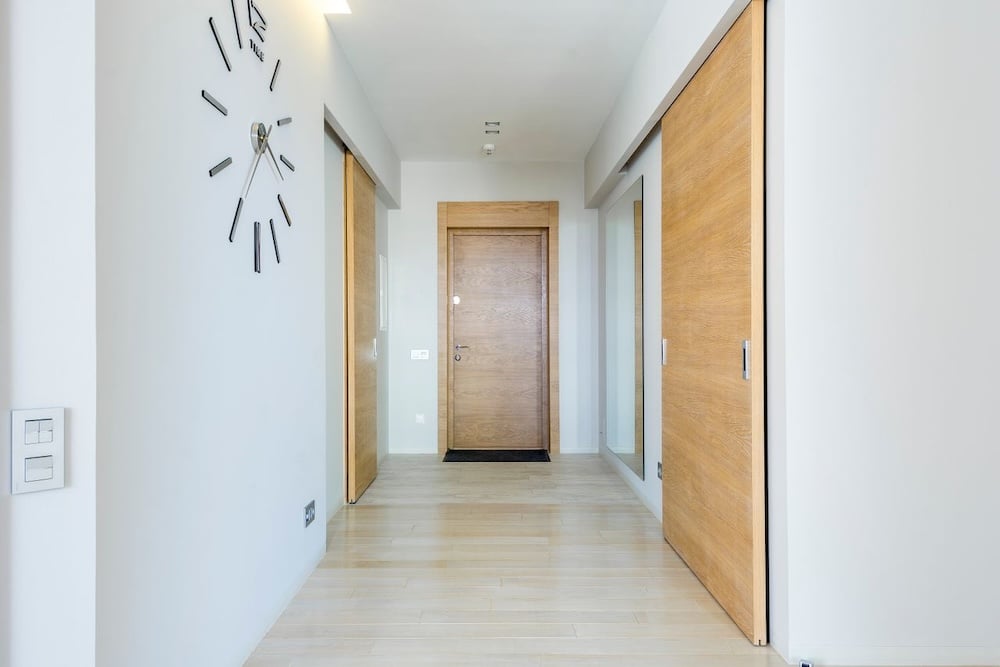
Photo credit: Max Vakhtbovych on Pexels
Space and Room Flow
A cavity slider runs into a pocket inside the wall, removing the clear swing zone a hinged leaf needs. For owners weighing a cavity slider door in NZ against a standard internal door, the practical gain is extra usable area near beds, vanities, wardrobes, hallway corners, or laundry appliances, where every 100 millimetres can affect layout.
That saving can change how a room functions. A hinged internal door often needs about 700 to 900 millimetres of clear arc. In a tight bathroom, office, or laundry, that space may decide whether storage fits, a desk sits properly, or people can move without squeezing past furniture.
Cost and Installation
A standard hinged door is usually cheaper to install. The frame is simple, the hardware is common, and most builders can adjust hinges or latches quickly. For many bedrooms, hallways, and utility areas, that lower cost is enough to make the choice clear.
A cavity slider needs more planning. The wall must hold a pocket frame and track while staying clear of plumbing, wiring, bracing, and insulation conflicts. New builds allow those details to be planned early. Renovations can take more labour because walls may need opening, services may need shifting, and framing may need extra care.
Privacy and Noise
Hinged doors usually perform better for sound control. They close against fixed jambs and can accept seals more easily. Bedrooms, toilets, studies, and media rooms often benefit from that firmer closure.
Cavity sliders can still provide good privacy, but the specification matters. A solid core panel, accurate track alignment, quality rollers, and brush seals can reduce rattles and sound gaps. Light hollow panels may feel less stable, especially in busy households where doors are used often.
Durability and Repairs
Hinged hardware is visible and easy to reach. If a hinge drops, a latch sticks, or a handle loosens, the fault is usually simple to inspect. That makes standard doors practical for rentals, family homes, and areas that get frequent use.
Cavity sliders rely on rollers, guides, tracks, and pocket clearance. Better components improve movement and reduce long-term issues. The main concern is access if cheap parts fail inside the wall. Removable head trims, strong tracks, and well-rated roller systems make future servicing far easier.
Style and Accessibility
Cavity sliders suit clean, uncluttered interiors. They are useful between kitchens and laundries, besides wardrobes, in ensuites, and near narrow hallways. Because no panel swings into the room, furniture placement becomes more flexible.
They can also support easier access. A wider sliding opening may help people moving prams, mobility aids, washing baskets, or bulky furniture. The handle design still matters, because some flush pulls are harder to grip than lever handles.
Hinged doors offer a stronger visual stop. They suit rooms where a clear boundary feels important. In character homes, a traditional panel style may also match skirtings, architraves, and existing joinery better than a concealed pocket system.
Choosing Room by Room
The strongest cases for cavity sliders are compact rooms, tight corners, and areas where open swing paths clash. Bathrooms, wardrobes, pantries, laundries, and small workspaces often gain the most.
Hinged doors remain sensible where acoustic control, security, fire separation, or low-cost repair access matters more. Garages, exterior entries, bedrooms, and service spaces often suit this setup. A mixed approach across the home is often more practical than using one type everywhere.
Conclusion
The right choice is rarely about fashion alone. Cavity sliders solve real planning problems and can make compact rooms easier to furnish. Hinged doors remain economical, familiar, and dependable where privacy, sound control, or simple repair access matters more. New Zealand homeowners get the best result by judging each opening on its purpose, wall conditions, hardware quality, and daily use, rather than applying one answer across the whole house for years.