This post may contain affiliate links and/or editorial content and is for informational purposes only. Please read our disclosure for more information.
Scrapping a car in Perth can feel simple on the surface, yet the final offer depends on more than age or visible damage. Buyers assess metal value, parts demand, vehicle weight, location, paperwork, and removal costs before quoting. A car that will not start may still hold useful components, while a tidy vehicle may return less if parts have low resale demand. Knowing these factors helps sellers judge offers with more confidence.
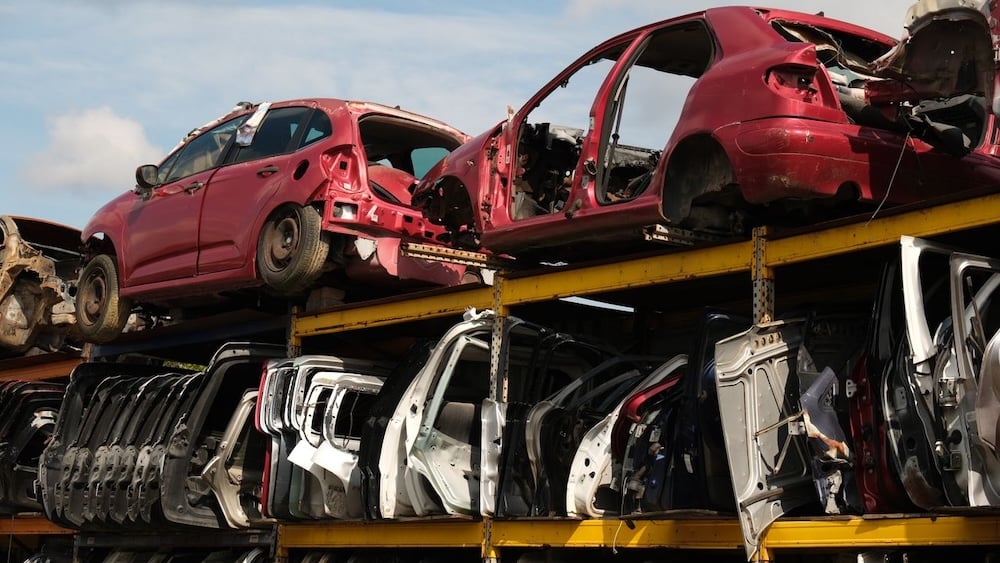
Photo credit: Aziz Er on Pexels
Vehicle Weight and Scrap Metal Value
Scrap pricing starts with the material inside the vehicle. Heavier cars usually contain more steel, aluminium, copper, and other recoverable metals, so they often attract stronger base offers. Market rates shift often, which means two similar cars can receive different quotes weeks apart. Before accepting a price for cash for scrap cars in Perth, sellers should ask how weight, metal content, and current recycling rates have been calculated into the amount offered.
Large four-wheel drives, vans, utes, and trucks may bring higher returns because they contain more recyclable material. Smaller hatchbacks can still earn fair money, but their value often depends more on parts than weight. Missing catalytic converters, batteries, wheels, or engines can reduce the quote because those items carry separate recovery value.
Make, Model, and Parts Demand
A car is rarely valued as one object. Wreckers often assess it as a collection of parts, materials, and reusable components. Popular models in Perth usually have stronger parts demand, which can lift the payout.
Engines, gearboxes, panels, lights, mirrors, electronic modules, seats, and wheels may all carry value. A damaged car with a working transmission may be worth more than an older running car with parts few buyers need. Demand also changes with local driving patterns. Common work vehicles, family cars, and four-wheel drives can stay useful to parts buyers for years.
Condition Still Matters
Condition affects value, but not always in the way sellers expect. A car does not need to be roadworthy to have worth. However, the more complete it is, the easier it is to recover usable parts and materials.
Fire damage, flood exposure, heavy rust, and stripped interiors can lower the payout. These issues make parts harder to reuse and may increase handling costs. Accident damage can have a smaller effect if key mechanical parts remain intact. Clear photos and accurate details help avoid quote changes during pickup.
Age, Mileage, and Mechanical History
Age and mileage matter most when they affect parts quality. A late-model car with engine failure may still contain high-value panels, electronics, trim, and safety parts. An older car with very high mileage may rely more on its scrap metal value.
Service history can also help. If the seller can show that major parts were replaced recently, the buyer may factor that into the offer. New tyres, a recent battery, a rebuilt transmission, or undamaged alloy wheels can all improve the final number.
Location and Removal Costs
Perth is spread out, so pickup distance can affect the economics of a scrap deal. A vehicle close to a buyer’s yard may cost less to collect than one stored far from central suburbs. Access also matters.
Cars parked in narrow driveways, underground car parks, muddy yards, or tight unit complexes may need extra recovery time. A car with keys, inflated tyres, and clear access is easier to load. That can protect the quote because removal takes less labour and equipment.
Paperwork and Ownership Proof
Buyers need confidence that the seller has the right to dispose of the vehicle. Proof of identity, registration details, and ownership records can make the process faster. If plates are still attached, the seller may need to handle cancellation or confirm the buyer’s process.
Missing paperwork does not always stop a sale, but it can delay payment or reduce buyer interest. Clear records reduce risk for both sides. They also help confirm the vehicle identification number, model, and build details.
Timing the Quote
Scrap values can move with metal markets, fuel costs, and demand for used parts. Quotes may also change based on yard capacity and towing schedules. Getting more than one quote on the same day gives a clearer comparison.
Sellers should provide the same information to each buyer. Include make, model, year, suburb, running status, damage, missing parts, and whether keys are available. Consistent details make offers easier to compare.
Conclusion
The payout for scrapping a car in Perth comes from several practical factors, not one simple rule. Weight, parts demand, condition, access, documents, and market rates all shape the final offer. Sellers who describe the vehicle clearly, keep useful records ready, and compare current quotes are better placed to judge fair value. Even a damaged or non-running car can return a worthwhile amount when its recoverable parts and materials are assessed properly.