This post may contain affiliate links and/or editorial content and is for informational purposes only. Please read our disclosure for more information.
The process of selling an unwanted vehicle may look easy at first glance, but the outcome often depends on what the owner asks before accepting an offer. A damaged, unregistered, failed, or non-running car can still hold value through reusable parts, scrap metal, and recoverable materials.
Wellington owners should check the buyer’s process, costs, paperwork, and payment terms first. Clear answers reduce delays, prevent surprise charges, and make it easier to choose a vehicle recycling service suited to the car’s condition.
The best car wreckers in Wellington should explain how they reached the valuation, whether they include collection, and what happens after the purchase. Sellers should also ask about ownership transfer, payment timing, and dismantling procedures. These points matter because an initial quote may change after inspection, while unclear towing fees can reduce the final payment. A straightforward discussion gives both sides a clear basis for completing the sale.
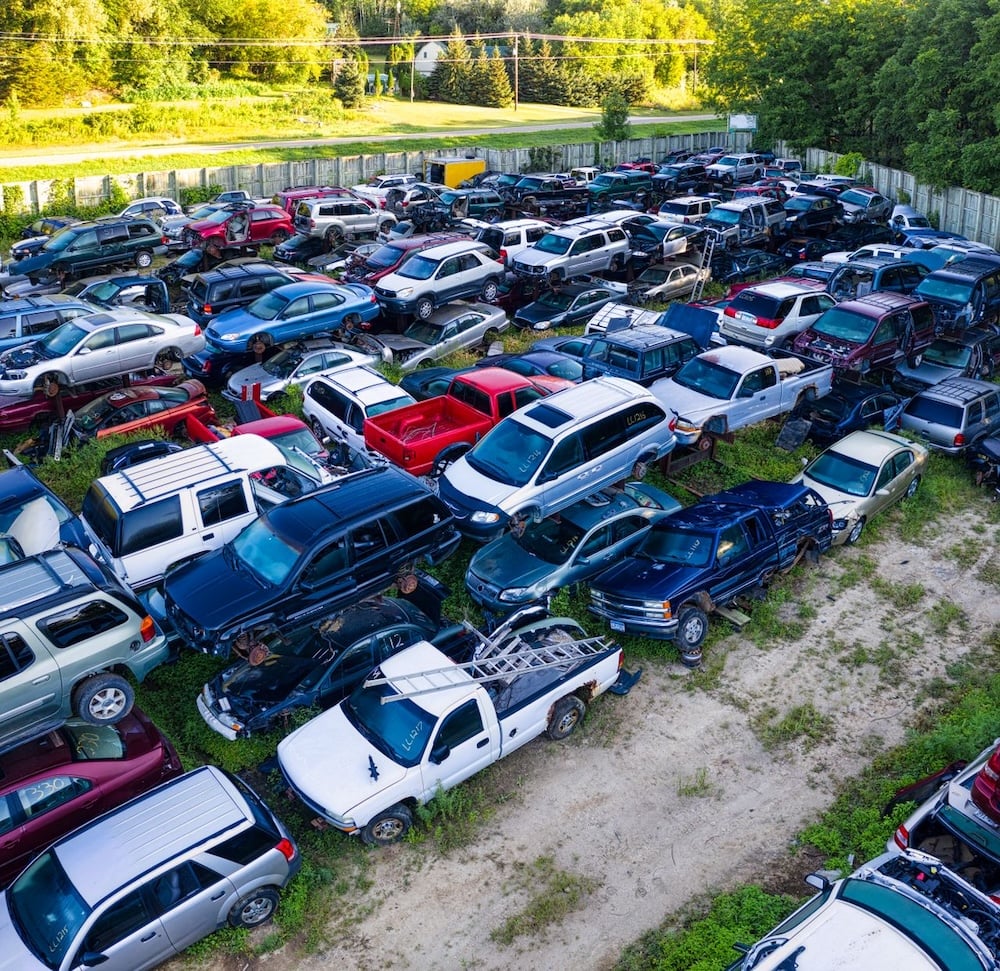
Photo credit: Pexels
1. How Will the Vehicle Be Valued?
The first question should address the offer itself. A wrecker may consider the make, model, age, mileage, engine type, condition, parts demand, and current scrap value. Complete vehicles often attract stronger offers because wreckers can recover and resell more components.
Owners should reveal known problems honestly. That includes accidental damage, missing keys, warning lights, failed inspections, and registration status. Accurate details support a more reliable quote and reduce the chance of disagreement during collection.
2. Is Vehicle Removal Free?
A vehicle that cannot run may need a flatbed truck, winch, or special loading equipment. Before accepting an offer, the owner should ask whether towing is included in the quoted amount. The pickup area also matters, especially across Wellington, Lower Hutt, Upper Hutt, Porirua, and nearby districts.
It is worth checking whether difficult access, steep driveways, parking limits, or added travel creates another charge. If removal is advertised as free, that condition should appear clearly in the agreement.
3. What Documents Are Required?
A proper sale requires accurate ownership details and a clear handover process. The wrecker should state which identification, registration information, or ownership records are needed before pickup.
Missing documents can complicate the transaction, so sellers should ask how the wrecker handles those situations. The buyer should also confirm who files the change-of-ownership notification. A sale receipt, payment record, and vehicle details give the owner useful evidence if an administrative issue appears later.
4. When and How Will Payment Arrive?
Payment terms should be precise. Sellers need to know whether funds are provided at pickup, after inspection, or within a stated processing period. The agreed amount should be documented in writing before the vehicle leaves the property.
While cash is always an option, the transparency of an electronic payment makes it the better choice. Owners should confirm that funds have arrived before releasing the keys, plates, or ownership documents. A professional buyer will explain the process plainly and allow time for questions.
5. Will the Offer Change After Inspection?
Some buyers provide an estimate from photographs or a phone conversation, then complete a physical inspection. That approach can work well when you explain the inspection criteria beforehand.
The owner should ask which findings might reduce the quoted amount. Missing parts, major structural damage, fluid leaks, or an inaccurate vehicle description may affect the final figure. If the revised offer is lower, the seller should be able to decline without paying a cancellation fee.
6. How Will the Vehicle Be Processed?
Responsible wreckers test and recover usable parts, separate recyclable materials, and handle vehicle fluids safely. Sellers can ask whether recovered components are inspected, labelled, and stored for future use. The answer can reveal whether the operation follows an organised dismantling process.
Processing may involve removing batteries, fuel, oils, refrigerants, tyres, and other materials. Careful handling limits environmental harm and supports safer recycling. Owners should seek clear details instead of relying on general claims about sustainability.
7. What Happens After the Sale?
The final question concerns responsibility after collection. The buyer should confirm that ownership records are updated and that the seller will not remain liable for later use, storage, or disposal problems.
Before pickup, owners should remove personal belongings, toll devices, garage remotes, and paperwork. Photographs of the vehicle, its identification number, and its condition can also help. Keeping the agreement creates a useful record of the vehicle’s transfer date and final status.
Conclusion
A careful seller should assess more than the offered price. The right buyer provides a clear valuation, confirmed removal terms, correct paperwork, prompt payment, and responsible vehicle processing. Asking these seven questions helps Wellington owners compare offers fairly and avoid last-minute surprises.
A written agreement, honest vehicle description, and retained sale record provide additional protection. With those checks complete, selling an unwanted car becomes a controlled transaction instead of an uncertain handover.