This post may contain affiliate links and/or editorial content and is for informational purposes only. Please read our disclosure for more information.
Manufacturers are now reassessing conveyor parts sourcing as production schedules tighten, machinery ages, and supply disruptions remain a concern. Heading into 2026, purchasing teams are prioritising accurate fit, service life, local technical support, and dependable delivery.
Having said that, the aim is simple and direct: limit unplanned stoppages without filling storerooms with costly excess stock. This shift is changing how businesses choose rollers, chains, belts, bearings, sprockets, and safety components.
Reliable purchasing begins with an accurate parts register. Maintenance teams should record model numbers, dimensions, shaft sizes, bearing types, belt widths, chain pitch, load ratings, and operating temperatures. These details allow buyers to compare equivalent items instead of relying on appearance alone. More details on a supplier’s conveyor parts page can help teams check suitable belts, chains, rollers, and replacement items before equipment failure creates pressure.
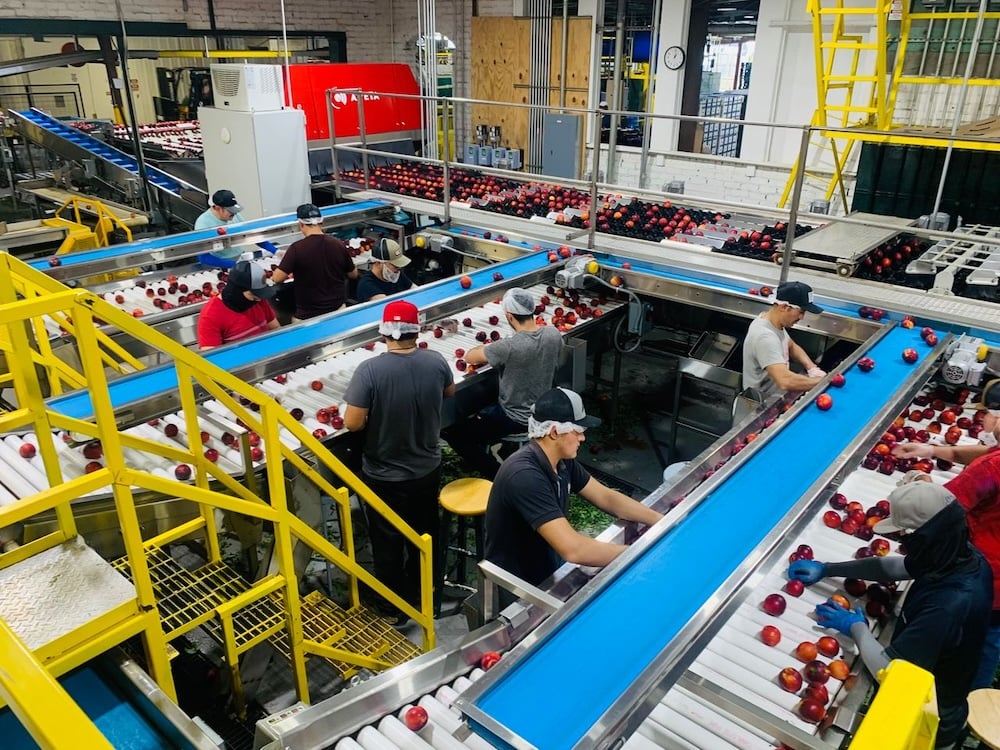
Photo credit: Pexels
1. Demand Forecasting Gets More Precise
Manufacturers are now connecting purchasing plans with production forecasts, scheduled maintenance, and equipment age. This makes it easier to identify which components deserve regular stock and which can be ordered only when required.
Common fast-moving items include bearings, rollers, belts, chains, and drive components. Holding sensible quantities can shorten repair times without tying up too much working capital. Ideal stock levels should reflect failure history, supplier lead times, operating conditions, and the financial impact of downtime.
Better forecasting also supports planned replacement work. If inspections show measurable wear in a belt or chain, its replacement can be ordered before failure stops production. Maintenance teams then gain greater control over labour, freight, and installation timing.
2. Local Engineering Support Gains Value
Shorter delivery routes matter more for facilities that cannot afford lengthy interruptions. Local technical support can provide faster answers, clearer measurements, and practical advice during urgent repairs.
A nearby supplier may inspect existing machinery before recommending a replacement. This is useful for older conveyors, modified frames, unusual shaft layouts, and systems with non-standard dimensions. Accurate measurements reduce the risk of receiving parts that look fine but fail during installation.
Manufacturers are also asking whether suppliers can produce replacement components for equipment from different manufacturers. That flexibility can extend machinery life and help businesses avoid unnecessary full-line replacement projects.
3. Condition Data Shapes Buying Decisions
Maintenance teams are now relying more heavily on condition data before approving purchases. Excess heat, vibration, unusual noise, belt tracking issues, and irregular movement can signal wear in bearings, rollers, motors, or drive assemblies.
These indicators help buyers select the correct component instead of replacing a visible part while leaving the underlying fault unresolved. Repeated belt damage, for example, may result from poor alignment, worn pulleys, incorrect tension, or damaged bearings.
Inspection records should include the failure date, operating load, surrounding conditions, and service history. Reviewing this information over time can reveal recurring faults and improve purchasing specifications. It also helps managers decide whether a cheaper component offers acceptable service life.
4. Standardisation Reduces Stock Pressure
Standardisation remains a key sourcing priority. Facilities with several conveyor lines are checking whether common roller diameters, bearing types, fasteners, and belt profiles can serve more than one machine.
Fewer variations simplify storage, training, and ordering. Maintenance workers become familiar with a smaller range of installation methods, while purchasing teams can combine demand across departments. Suppliers may also maintain steadier availability for parts used on multiple systems.
Engineering requirements must still guide the final choice. Load capacity, speed, temperature, moisture, dust, and product contact remain important factors. A standard component is valuable only if it suits every application in which the part will be installed.
5. Material Selection Receives Closer Review
Material selection is receiving closer attention as conveyors typically operate in demanding conditions. Food handling, recycling, mining, warehousing, and general manufacturing expose components to different levels of moisture, abrasion, impact, chemicals, and contamination.
Steel may suit heavy loads and harsh service, while other materials can help reduce weight, corrosion, or cleaning demands. Surface treatments, seals, lubrication needs, and belt construction also influence working life.
Purchasing teams are asking suppliers to explain how each part should perform under actual operating conditions. This supports fairer comparisons and reduces the chance of choosing components based only on purchase price.
6. Documentation Supports Better Accountability
Clear documentation is becoming a standard requirement for conveyor part orders. Buyers want records covering dimensions, materials, tolerances, quantities, and compatibility details.
Consistent records help maintenance teams inspect incoming goods before installation. They also support future purchases, audits, warranty discussions, and failure investigations. Order histories can show which parts were installed, when they entered service, and how long they lasted.
Accurate drawings and specifications reduce repeated questions between buyers and suppliers. This matters for custom sprockets, unusual rollers, replacement chains, and parts made for older equipment with limited documentation.
Conclusion
In 2026, sourcing conveyor parts will centre on fit, availability, service life, and evidence-based purchasing. Manufacturers are preparing by improving asset records, studying failure patterns, standardising suitable components, and seeking stronger technical support. These measures can reduce emergency orders, control storage costs, and improve uptime.
The best purchasing decisions connect each component with its load, environment, maintenance history, and delivery needs, creating a supply process that supports reliable production.