Post may contain affiliate links and/or editorial content. See our disclosure statement for details.
There are many kinds of businesses that have fleets of vehicles, and they are in a wide range of different industries and fields. If you find yourself in charge of such a business, you could therefore be working in a wide range of areas. However, there will be certain aspects to this that you can be sure of, simply for the fact of have a fleet of vehicles that you need to look after. Making sure that you have a good approach to caring for those vehicles and the drivers is central to keeping your business in line and finding success with it.
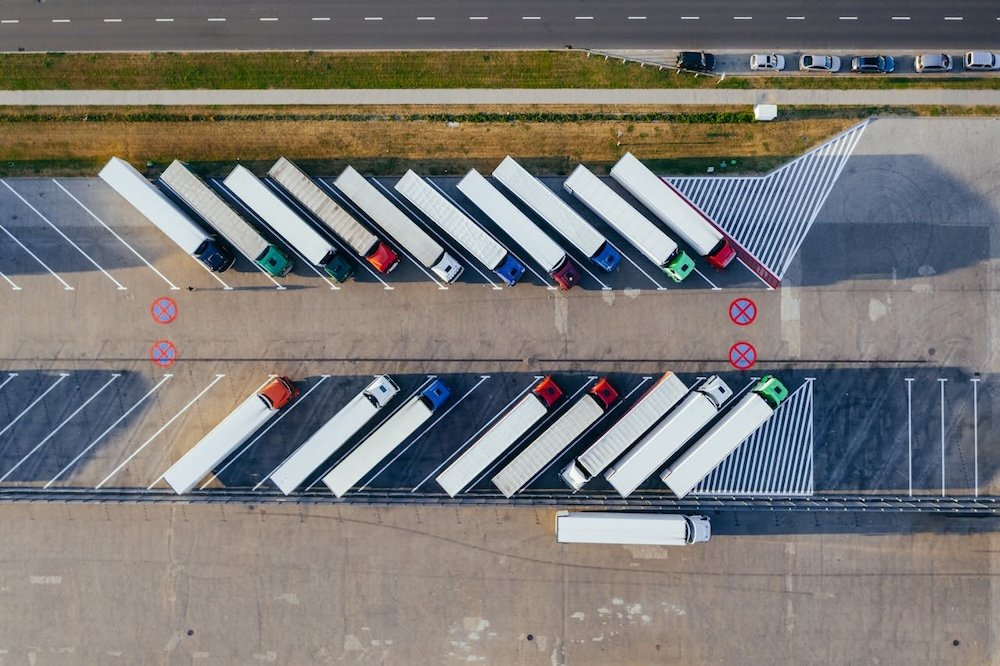
Photo by Marcin Jozwiak on Pexels
In this post, then, we are going to take a look at what you might want to know about managing a fleet. Some of this might seem obvious, and some of it will be much less so, but it is all relevant if you want to make sure that you are keeping your fleet intact and your business running strongly.
Vehicle Acquisition
One of the most important aspects of having a fleet – and yet one that is overlooked most often – is the acquisition of new vehicles. You’ll need to adopt a good approach to this if you want to make sure that you are going to have the right fleet for your needs. You need to know what your business’s needs are in order to do this effectively, of course. Then it’s about selecting the right vehicles: size, fuel type, cost, suitability, and so on. You’ll also want to think about the pros and cons of both purchasing versus leasing vehicles.
If you can get this right, it’s going to make a huge difference to how well you can manage the fleet as a whole, so it really is worth putting some effort and thought into. Bear in mind that you also need to plan for the disposal or remarketing of vehicles, too, and consider their whole lifespan in this sense. If you can do that, you are going to find that you are much more likely to have a better approach to the whole cycle.

Image credit: Pexels
Maintenance & Uptime
It’s vital that you maintain the vehicles as well as possible, largely because this helps ensure that they have much more uptime and therefore the business is going to be much easier to run on the whole. So this means that you should build in a schedule for preventative maintenance, ensuring that vehicles stay reliable and safe. Minimizing unexpected breakdowns or downtime is hugely important, and something that you should consider as carefully as possible.
Part of that will also be tracking repair history, parts inventory, downtime metrics, and the like. If you are keeping a close eye on all that stuff, it’s going to mean that you are much more likely to be able to keep the vehicles for longer and that they are going to continue to operate as well as you need them to.
Fuel & Operational Cost Control
Fuel is one of the largest variable costs you are going to have in a fleet business, so you need to make sure that you have a flexible but secure approach to it. Overall, you just need to encourage a culture that ensures that fuel use is kept to a minimum. This keeps your costs down, but it also means that your business will have much more of an ecologically sound approach, and that has never been more important than right now.
So what can you do to keep fuel costs down? A lot of it comes down to route planning, proper driving, and making sure that you are choosing fuel-efficient vehicles. To help monitor driver behavior, you can make use of GPS tracking for fleets, to ensure that routes are being adhered to. And you should consider managing things like tyre pressure, temperature monitoring, and the like as well. All of this will help keep operational costs as low as possible.

Image credit: Pexels
Compliance, Safety & Risk Management
There is a lot you have to think about when it comes to compliance when you have a fleet of vehicles to care for, so this is something that is really worth bearing in mind. Ensuring vehicles and drivers meet legal and regulatory standards is really important, and it’s going to mean that you are much more able to keep the whole business in check for longer. You’ll need to consider licensing needs, inspections, emissions, and much more.
As part of this, it’s vital that you are promoting safe driving behavior, that you look at your fleet risk policies, and you are aware of how to approach incident management, too. It’s essential that you are doing all you can to keep your drivers and vehicles as safe as possible at all times. And bear in mind that this will be checked.
Data & Tech
There is a lot of technology you can make use of, and while it’s up to you whether or not you do so, there are certainly a lot of benefits to this. For instance, you might want to consider using GPS tracking, as we have seen above, as well as telematics to ensure that you are aware of what is really going on in the vehicle at all times. You might also want to have the right software for your dashboards and for reporting needs.
But remember that it’s about much more than just collecting the data – you also need to analyse it effectively. This will help you and your team to make better decisions, such as knowing when to replace vehicles, which routes are inefficient, and which drivers might need a little more training. If you are aware of all that, it’s going to help make your fleet a lot more effective on the whole.
Those are just some of the things that you should be aware of when it comes to managing a fleet effectively.