Post may contain affiliate links and/or editorial content. The materials provided on this website are for general informational purposes only. These materials do not, and are not intended to, constitute legal advice. Please consult a licensed professional for legal advice.
The requirements for a confidential marriage license vs. a public marriage license are not the same. While a public license is open to everyone, a confidential one is private and requires proof that the couple lives together.
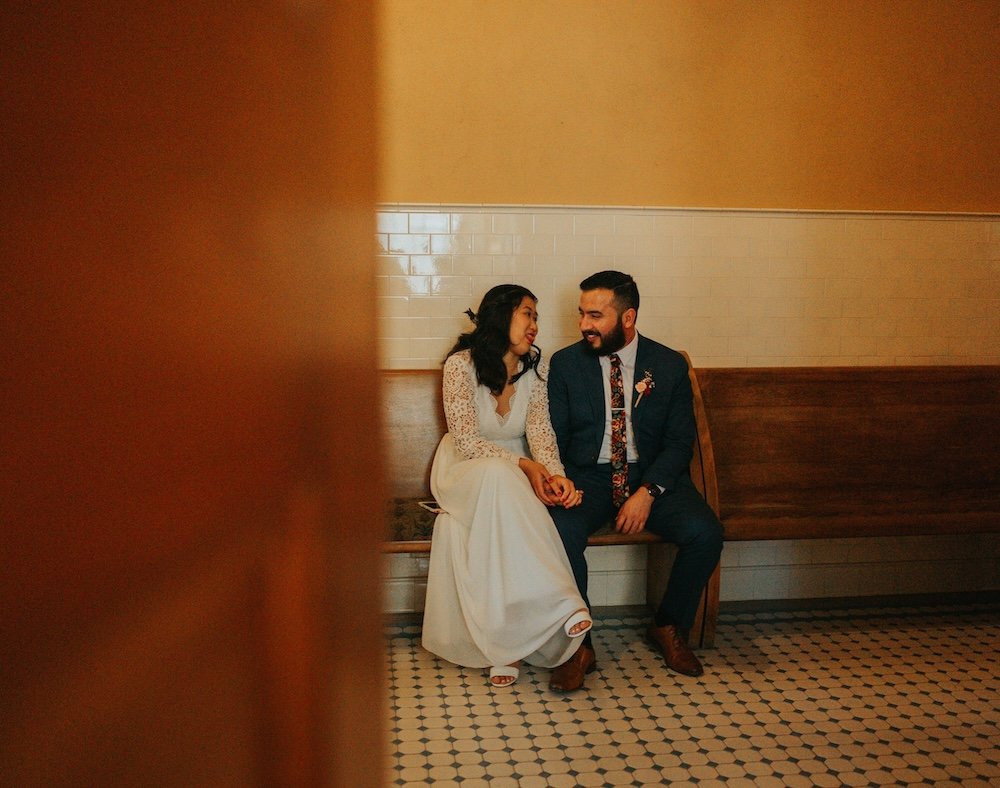
Photo by Dex Ezekiel on Unsplash
What Is a Public Marriage License?
A public marriage license is the most common type. It is available for any couple that wants to get married. Once the marriage is recorded, it becomes a public record, much like a birth certificate or property deed.
- Anyone can request a copy of the record once the marriage is complete.
- It can usually be searched online through county or state databases.
- Family, friends, or even strangers can see proof of the marriage if they look for it.
What Is a Confidential Marriage License?
A confidential marriage license is a special option that not all states or counties offer. It can be issued if a couple is already living together as partners and wants to keep their records private.
Unlike a public license, it does not show up in public searches.
- Only the couple can request a copy of the record afterward.
- Family, friends, or outside parties cannot access the information without permission.
- Proof of living together is often required at the time of application.
Key Differences Between the Two
When choosing between a public and confidential marriage license, it helps to compare their main differences side by side.
- Privacy: Public licenses are open records. Confidential licenses are private and limited to the couple.
- Eligibility: Any couple can apply for a public license. For a confidential license, the couple usually must already live together.
- Access: Public records can be viewed by anyone, while confidential records can only be accessed by the couple.
- Cost: Fees may differ slightly. Confidential licenses in some areas cost more than a public license.
- Recognition: Both types are valid for legal purposes, including insurance, taxes, and name changes.
When to Choose a Public Marriage License
Choosing a public license makes sense if you:
- Want a simple and common option with no extra requirements.
- Do not mind if your marriage becomes part of the public records.
- Have family or friends who may need to verify the marriage for planning or record purposes.
- Want the widest acceptance in other states or countries, especially for legal paperwork.
When to Choose a Confidential Marriage License
A confidential license may be the best option if you:
- Prefer privacy and want to limit who can see your marriage record.
- Have reasons to keep your marriage out of online searches or public records.
- Already live together and can provide proof of cohabitation.
- Value discretion, especially for personal or professional reasons.
Things to Think About Before Deciding
- Check local laws: Not all states or counties offer confidential licenses. Verify if it is available where you plan to marry.
- Consider long-term needs: While both are legal, some organizations may ask for copies of your record. Decide which option makes access easier.
- Talk openly as a couple: Both partners should feel comfortable with the choice since it affects their privacy and legal documents.
Key Takeaways
- Deciding between a public and confidential marriage license depends on what matters most to you as a couple.
- If you want simplicity and wide recognition, a public license is the way to go.
- If privacy and discretion are more important, a confidential license offers that extra protection.
- Take time to review your options, check your local rules, and choose what best fits your needs.
Disclosure: Please be advised that our content is for informational purposes only and should not be used as a substitute for advice from a trained legal professional. Please seek the advice of a legal professional if you’re facing legal/law issues.
She Owns It partners with others through contributor posts, affiliate links, and sponsored content. We are compensated for sponsored content. The views and opinions expressed reflect those of our guest contributor or sponsor. We have evaluated the links and content to the best of our ability at this time to make sure they meet our guidelines. As links and information evolve, we ask that readers do their due diligence, research, and consult with professionals as needed. If you have questions or concerns about any content published on our site, please let us know. We strive to only publish ethical content that supports our community. Thank you for supporting the brands that support this blog.