This post may contain affiliate links and/or editorial content and is for informational purposes only. Please read our disclosure for more information.
A busy pizza shop can go from a quiet kitchen to a full rush in a matter of minutes. Orders pile up, ingredients move quickly, and several employees may be preparing food at the same time. In that kind of environment, small mistakes can easily turn into bigger problems.
One simple way to bring more order to the kitchen is consistent food labeling. Clear labels can help kitchen staff know what an ingredient is, when it was prepared, and when it should be used or discarded. They can also make it easier for different employees to follow the same process.
The FDA’s Food Code includes date-marking guidance for certain ready-to-eat foods that are held for more than 24 hours. Under the model code, these foods generally need to be marked with a date or day by which they should be consumed, sold, or discarded.
Here are five reasons consistent labeling can make a busy pizza shop easier to manage.
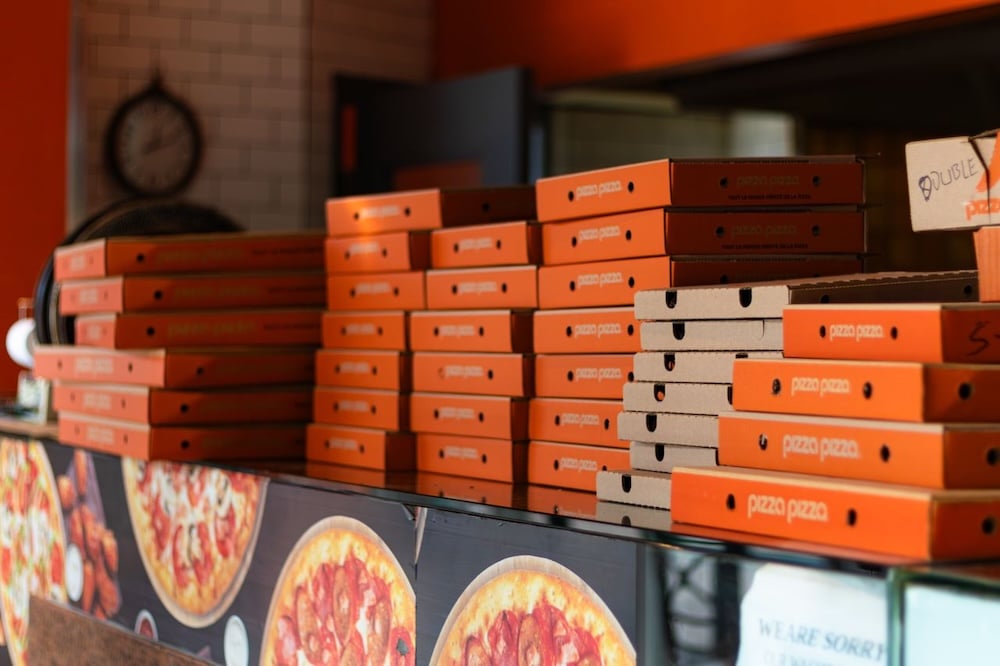
Photo credit: Anurag Jamwal on Pexels
1. Labels Help Staff Know What They Are Using
Pizza kitchens can have dozens of ingredients moving through storage areas. Cheese, sauces, meats, vegetables, dough, and prepared toppings may look similar when placed in containers, especially during a busy shift.
A clear label removes some of that guesswork. Instead of opening several containers or asking another employee what something is, a team member can check the label and keep working.
This becomes even more useful when new employees are learning the kitchen. They may not know where everything is or how ingredients are stored. A consistent labeling system gives them a simple reference to follow.
2. Consistent Dates Make Food Rotation Easier
Food moves quickly in a pizza shop, but that does not mean every container should be used without checking when it was prepared or opened. Labels can show preparation dates, opening dates, or discard dates according to the shop’s food safety procedures and local requirements. Staff can then rotate ingredients more easily instead of relying on memory.
Your pizza shop may use different date-marking methods, including calendar dates, days of the week, color-coded marks, or other effective systems that meet the applicable requirements.
A simple system can make a noticeable difference during a lunch or dinner rush. Employees have less need to stop and figure out which container should be used first.
3. Labels Can Reduce Waste
The USDA estimates that about 30% of the U.S. food supply is lost or wasted at the retail and consumer levels. It also notes that confusion around date labels can contribute to food being thrown away unnecessarily. Throwing away food or ingredients because nobody knows when they were prepared can cost your pizza shop a lot of money in the long run.
Clear labels can help employees make better decisions about what needs to be used first, thereby reducing waste. They can also make older ingredients easier to spot during storage checks. A pizza shop cannot eliminate all food waste, of course. But having a clear system for identifying stored ingredients gives staff a better chance of using food efficiently.
4. A Standard System Keeps the Whole Team on the Same Page
One employee may write a full date on a container. Another might write only a day. Someone else may use initials that nobody else understands. That can create confusion even when everyone is trying to do the right thing.
This is why food labeling for pizza shops should be part of a consistent kitchen routine rather than something each employee handles differently. Labels can follow the same format, making information easier to recognize at a glance.
For example, a shop might use the same layout for every container, showing the ingredient name, preparation date, and required discard information. Labeling tools such as those offered through Label King Turbo are designed to bring food labeling, temperature monitoring, checklists, and other kitchen tasks into a more organized system. The goal is not to make the kitchen more complicated. It is to remove unnecessary decisions from a busy shift.
5. Better Labels Can Support Food Safety Checks
Food labeling should work alongside other food safety practices, not replace them. Staff still need to follow proper storage temperatures, cleaning procedures, handwashing rules, and local food regulations.
Labels can, however, give managers another way to check whether kitchen routines are being followed. During a storage check, it is easier to spot an unlabeled container or an item that has passed its required date when everything else follows the same system.
This also helps when several people share responsibility for the kitchen. A manager does not have to depend entirely on one employee’s memory to understand what is in storage.
Make Labeling Part of the Routine
A busy pizza shop needs systems that work when the kitchen is calm and when orders are coming in faster than expected. Consistent food labeling is one small part of that system, but it can help employees identify ingredients, rotate stock, reduce waste, and follow the same process from one shift to the next.
The best labeling system is usually the one staff can understand quickly and use without slowing down their work. When labeling becomes a normal part of preparing and storing food, it stops feeling like extra paperwork and becomes part of running a more organized kitchen.