This post may contain affiliate links and/or editorial content. See our disclosure statement for details.
Hens and Chickens Reef is a popular underwater destination off Plantation Key near Islamorada in the Florida Keys. It is known for its unusual clusters of coral formations, which resemble a mother hen surrounded by smaller chicks when viewed from above. The shallow reef also provides shelter for colorful fish, sea fans, and other marine life.
Visitors can explore this underwater environment through a Hens and Chickens reef dive or a guided snorkeling trip. Both activities offer a chance to see the reef, but the experience differs depending on how closely visitors want to explore its coral formations and marine life.
Snorkeling is an excellent choice for a relaxed view of the shallow reef, while scuba diving allows visitors to explore underwater formations from a closer perspective. The better option depends on swimming ability, comfort in the water, and the type of experience desired.
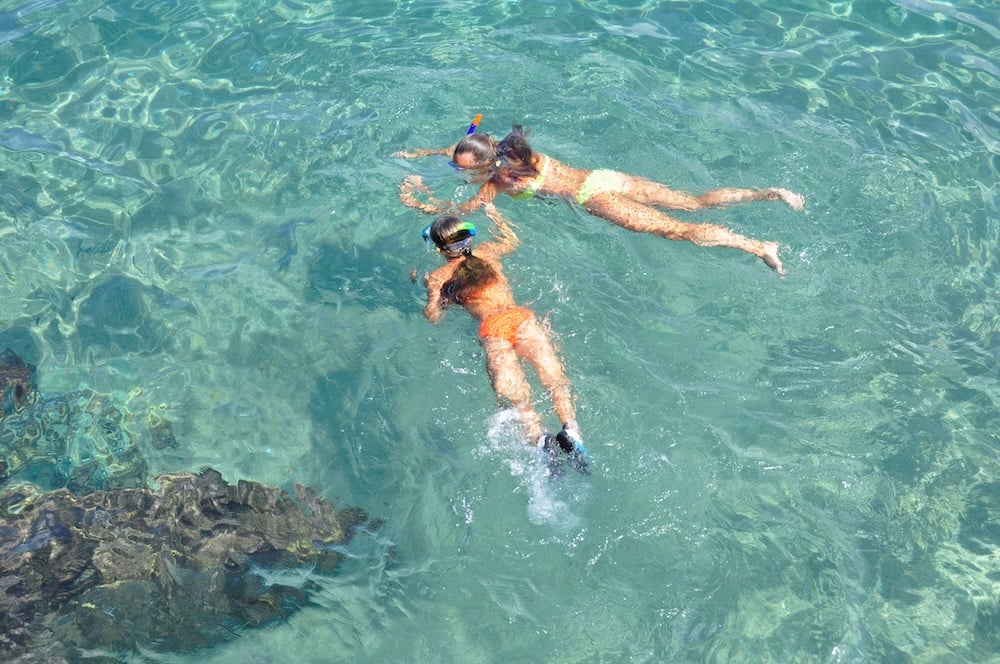
Image by J. Ketelaars from Pixabay
Snorkeling at Hens and Chickens Reef
Snorkeling is suitable for visitors who want to enjoy the reef without scuba equipment. Since Hens and Chickens has relatively shallow coral formations, snorkellers can observe fish, sea fans, and coral heads from the surface.
Benefits of Snorkeling
- Requires less equipment than scuba diving.
- Suitable for beginners and families who are comfortable in the water.
- Allows visitors to explore the reef without lengthy training.
- Offers a relaxed way to observe marine life.
On calm days with good visibility, snorkelers can enjoy impressive views of the reef without descending underwater.
Scuba Diving for a Closer View
Scuba diving provides a different perspective by allowing participants to move beneath the surface and observe coral formations from closer distances. Hens and Chickens generally has a shallow depth of around 10 to 20 feet, making it accessible to appropriately trained divers.
What Divers Can See
Divers may encounter brain and star corals, purple sea fans, yellowtail snapper, groupers, and spotted eagle rays. The spaces between coral formations also provide interesting areas to explore.
Scuba diving is particularly appealing to visitors who want to spend more time observing underwater details rather than viewing everything from above.
Snorkeling vs. Scuba Diving: Which Should You Choose?
The right activity depends on personal preferences and experience.
| Factor | Snorkeling | Scuba Diving |
| Equipment | Mask, snorkel, and fins | Scuba equipment |
| Training | Basic instruction | Appropriate certification or supervised training |
| Experience | Surface-level viewing | Underwater exploration |
| Best for | Casual visitors and beginners | Certified divers and trained participants |
| Reef perspective | View from above | Closer view of coral formations |
Practical Tips for Visiting the Reef
Hens and Chickens Reef is part of a protected Sanctuary Preservation Area, so visitors should take care not to damage its coral habitat.
- Choose a guided boat trip with an experienced local operator.
- Check weather, sea conditions, and visibility before departure.
- Use reef-safe sun protection and avoid touching coral.
- Maintain a safe distance from marine animals.
- Follow mooring rules and never anchor directly on the reef.
- Divers should maintain proper buoyancy to avoid accidental contact with coral.
Key Takeaways
- Snorkeling offers an easy way to enjoy the shallow reef.
- Scuba diving provides a closer view of coral formations and marine life.
- Both activities can be rewarding when sea conditions are suitable.
- Visitors should follow marine conservation guidelines.
- The best choice depends on comfort, experience, and preferred underwater perspective.