This post may contain affiliate links and/or editorial content. Please read our disclosure for more information.
Most homeowners pay close attention to the parts of a house they can see and touch every day. The kitchen gets remodeled, the living room gets redecorated, and the yard gets trimmed and tended on weekends. Yet behind the walls, beneath the floors, and tucked into attics and crawl spaces sits an entire network of systems that quietly keep a home functional. These systems rarely get noticed until something goes wrong, which is precisely why they deserve more attention than they receive. Looking after them on a steady schedule prevents small issues from becoming expensive emergencies and extends the working life of the home itself.
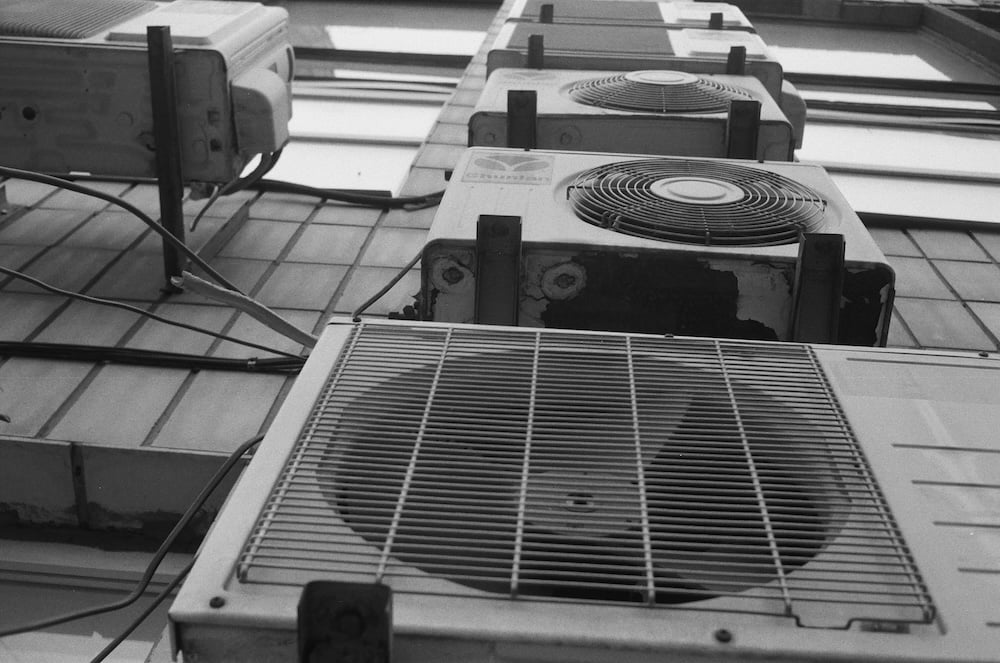
Photo by Illia Horokhovsky on Unsplash
When the Cooling System Stops Performing
Air conditioning units lose efficiency long before they actually break down, and the early warning signs are easy to miss when the house still feels somewhat cool. Ignoring a struggling unit pushes the compressor harder than it should work, drives utility costs upward, and often ends in a complete failure during the hottest stretch of summer when comfort matters most. This is where professional AC repair services become essential, since trained technicians can identify worn components, refrigerant issues, and electrical faults that a homeowner would never spot on their own.
The Plumbing Hidden Behind Every Wall
Pipes deliver water to every corner of a home, yet they rank among the least inspected features in any property. A slow drip behind a vanity, a hairline crack in a supply line, or a buildup of mineral residue inside a fixture can go unnoticed for months. Over time, that quiet damage shows up as warped flooring, stained ceilings, or a sudden spike in the water bill. Smart homeowners run a simple check every few months by listening for unusual sounds, looking under sinks, and feeling for moisture in places that should stay dry. Catching trouble early saves both the structure and the wallet. A licensed plumber called in once a year can also spot pressure issues, aging joints, and corrosion that no casual inspection would ever uncover.
The Electrical Panel Few People Open
Behind a small metal door in a basement, garage, or utility closet sits the breaker box that powers the entire home. Most people only interact with it when a circuit trips, and even then, they flip the switch and walk away without a second thought. Loose connections, outdated wiring, and overloaded circuits can quietly create heat where there should be none. Older panels may not handle the demands of modern appliances, electric vehicle chargers, or home offices loaded with equipment. A licensed electrician can review the panel, label every circuit clearly, and recommend upgrades that match how the household actually uses power today.
Ventilation That Quietly Shapes Indoor Air
Air quality inside a home is often worse than the air outside, and the reason usually traces back to weak or neglected airflow management. Bathroom fans clogged with dust, kitchen hoods that vent into nowhere, and dryer ducts packed with lint all reduce the flow of fresh air through the living space. The consequences range from lingering odors and humidity buildup to mold growth in spots no one would think to check. Cleaning these channels, replacing tired fans, and confirming that every vent actually exits the building make the indoor environment noticeably healthier. Better air also helps people sleep, think, and breathe more comfortably throughout the day.
The Water Heater Working in Silence
Few appliances in a home work as constantly as the water heater, yet it sits in a basement or closet for years without inspection. Sediment settles at the bottom of the tank, heating elements wear down, and the pressure relief valve can stiffen with age. A unit running on borrowed time may flood a finished space without warning or simply stop producing hot water on a cold morning. Flushing the tank once a year, checking the anode rod periodically, and watching for rust around fittings go a long way toward preventing surprises. Tankless models need attention too, particularly in areas with hard water that scales the internal components.
The Roof and the Attic Above It
The roof gets a quick glance from the driveway and little else, even though it shoulders the harshest weather the home ever faces. Missing shingles, cracked flashing, and clogged gutters slowly invite moisture into spaces that should remain dry. The attic underneath tells the real story, since stains on the rafters, damp insulation, or daylight peeking through seams all signal trouble overhead. Climbing up once or twice a year, or hiring someone who will, catches damage while repairs remain simple. Insulation levels also deserve a look, because thinning or compressed material drives heating costs higher every season.
Drainage Around the Foundation
Water that lands on the roof has to go somewhere, and where it lands matters more than most people realize. Gutters that spill close to the foundation, downspouts that end abruptly, and grading that slopes the wrong way all push water toward the structure rather than away from it. Over the years, that moisture seeps into basements, cracks concrete, and undermines the soil that supports the entire house. Extending downspouts, regrading low spots, and clearing debris from window wells redirect water where it belongs. A dry foundation protects every other system stacked above it.
Smoke and Carbon Monoxide Detectors
The smallest devices in the house carry some of the biggest responsibilities. Smoke alarms and carbon monoxide detectors save lives, yet they often hang on ceilings with dead batteries or expired sensors. Testing each unit monthly takes only a moment, and replacing the entire device every decade keeps the technology current. Households with gas appliances, attached garages, or fireplaces benefit from extra detectors placed near sleeping areas. Reliable alarms remain one of the most affordable forms of protection a homeowner can install.
Paying attention to these quieter systems changes how a home performs over the years. Each one supports the daily life inside the house, and each one rewards the care it receives with longer service and fewer surprises.