This post may contain affiliate links and/or editorial content. Content is for informational purposes only. See our disclosure statement for details.
Opening a salon can be exciting, especially when you have a passion for beauty, hairstyling, and helping people feel confident. However, turning that passion into a successful business requires much more than technical skills and an attractive interior.
A thriving salon depends on several interconnected factors, including customer service, qualified employees, reliable equipment, cleanliness, and effective business management. Even seemingly minor operational details can influence how customers perceive your services.
Whether you’re opening your first salon or improving an established business, understanding these essential elements can help you create a professional environment that attracts customers and encourages them to return.
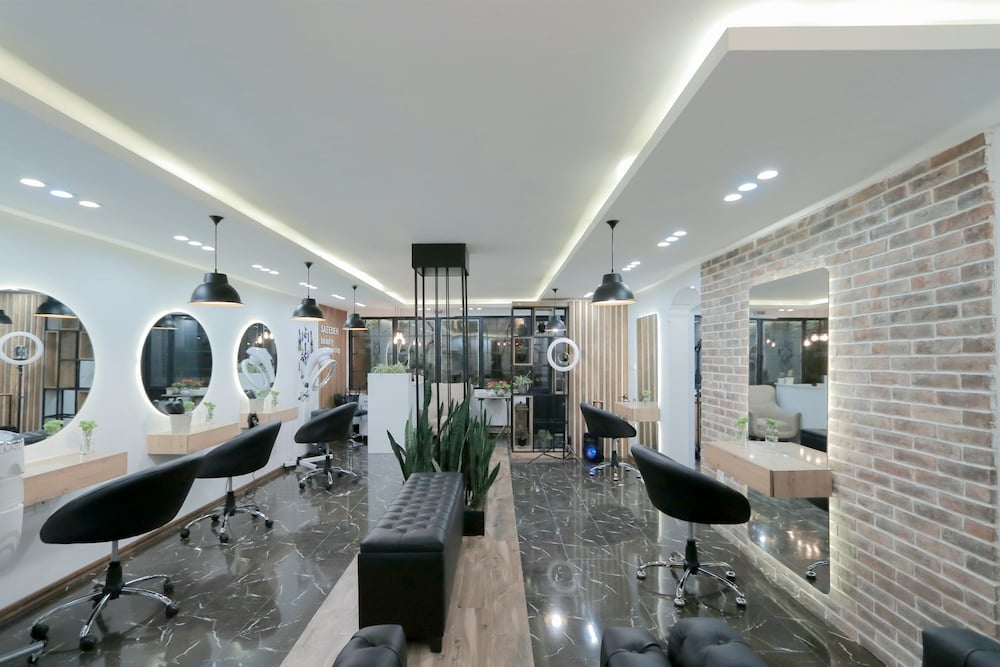
Photo by Benyamin Bohlouli on Unsplash
Maintain High Standards of Water Quality and Cleanliness
Cleanliness is one of the most important considerations in salon management. Customers expect hygienic surroundings, sanitized equipment, and properly maintained washing stations whenever they visit.
Water quality also deserves attention, particularly in salons where hair washing, coloring, and other water-dependent services are performed throughout the day.
Hard water contains dissolved minerals that can accumulate inside plumbing fixtures, water heaters, and washing equipment. Over time, mineral deposits may reduce equipment efficiency and increase maintenance requirements.
Salon owners experiencing persistent water quality problems should consider professional testing before selecting treatment equipment. Finding the best water treatment company for their needs involves evaluating technical expertise, commercial treatment options, installation support, and ongoing maintenance services.
Depending on the results, appropriate solutions may include water softening, filtration, or other specialized treatment systems.
Alongside water management, establish clear cleaning procedures for workstations, sinks, tools, and shared surfaces.
Maintaining these standards helps create a comfortable environment while supporting efficient daily operations.
Create an Interior That Balances Comfort and Functionality
A salon’s appearance influences the customer’s first impression, but successful interior design should prioritize functionality alongside visual appeal.
Consider how employees and customers move between reception areas, styling stations, washing facilities, and treatment rooms.
Poorly arranged furniture can create unnecessary congestion, particularly during busy appointment periods.
Choose comfortable seating, appropriate lighting, and durable surfaces that are easy to maintain.
Mirrors should provide clear visibility, while styling stations need enough space for tools, products, and equipment.
Adequate ventilation is particularly important when services involve chemical products or strong odors.
Storage areas should keep supplies organized without interfering with customer-facing spaces.
A thoughtfully designed salon allows employees to work efficiently while helping customers feel relaxed throughout their appointments.
Deliver a Personalized Customer Experience
Customers visit salons for more than a particular haircut or beauty treatment. They also value the attention, convenience, and professionalism they receive.
Begin each appointment by understanding the customer’s preferences, expectations, and relevant concerns.
A brief consultation can help clarify the desired outcome and identify whether a requested service is appropriate.
Avoid making promises that cannot realistically be fulfilled.
Instead, explain available options and provide professional recommendations based on the customer’s needs.
Remembering previous preferences can also make returning customers feel appreciated.
Simple details such as punctual appointments, comfortable waiting areas, and clear communication contribute to a positive experience.
When customers consistently receive thoughtful service, they are more likely to return and recommend the salon to others.
Invest in Reliable Equipment and Quality Products
Professional salon equipment supports both service quality and operational efficiency.
Styling chairs, hair dryers, washing stations, treatment beds, and other essential tools should be suitable for frequent commercial use.
Choosing equipment solely because it is inexpensive may lead to maintenance problems or premature replacement.
Before purchasing, evaluate durability, warranty coverage, maintenance requirements, and compatibility with your available space.
The same principle applies to beauty and haircare products.
Select products that meet appropriate safety standards and suit the services your salon provides.
Organize supplies carefully and monitor expiration dates where relevant.
Employees should also receive training in correct product handling and equipment operation.
Regular inspections and preventive maintenance can reduce unexpected interruptions during appointments.
Reliable equipment helps professionals deliver consistent services while maintaining a comfortable working environment.
Develop Pricing That Reflects Your Services
Setting appropriate prices is an important part of building a sustainable salon business.
Your pricing structure should account for operating expenses, employee compensation, product consumption, service duration, and the expertise required.
Research comparable salons to understand how similar services are positioned within your market.
However, avoid copying competitors’ prices without considering your own operating requirements.
Clearly communicate service charges before appointments begin, particularly when additional treatments may affect the final amount.
Consider offering packages that combine complementary services when they provide genuine convenience for customers.
Review your pricing periodically as operating expenses and service offerings change.
Transparent pricing helps establish trust and reduces misunderstandings.
A sustainable pricing strategy should support consistent service quality without placing unnecessary pressure on employees or business operations.
Manage Daily Operations With Long-Term Growth in Mind
Running a successful salon requires ongoing attention to administrative and operational responsibilities.
Monitor appointment schedules, inventory levels, employee performance, and customer feedback regularly.
Accurate financial records can help identify which services contribute most effectively to business performance.
Review expenses such as rent, utilities, supplies, maintenance, and employee compensation.
Establish procedures for handling cancellations, equipment failures, and unexpected staffing shortages.
Salon owners should also stay informed about applicable health, safety, licensing, and employment regulations.
As the business develops, evaluate whether additional services or employees would genuinely improve its operations.
Expansion should follow demonstrated customer demand rather than assumptions about future growth.
A successful salon is built through consistent service, careful planning, and attention to the details customers may never notice directly. By maintaining professional standards, supporting employees, and creating a welcoming experience, salon owners can establish a business that remains competitive and earns lasting customer trust.