This post may contain affiliate links and/or editorial content and is for informational purposes only. Please read our disclosure for more information.
A pool can feel simple from the outside: clear water, steady circulation, and a place to cool off or relax. Behind the scenes, however, pumps, filters, heaters, plumbing, sanitation equipment, and controls all have to work together. That makes upgrading a pool system more involved than simply replacing one piece of equipment. Choosing equipment that balances performance, efficiency, compatibility, and maintenance can make a meaningful difference in long-term ownership.
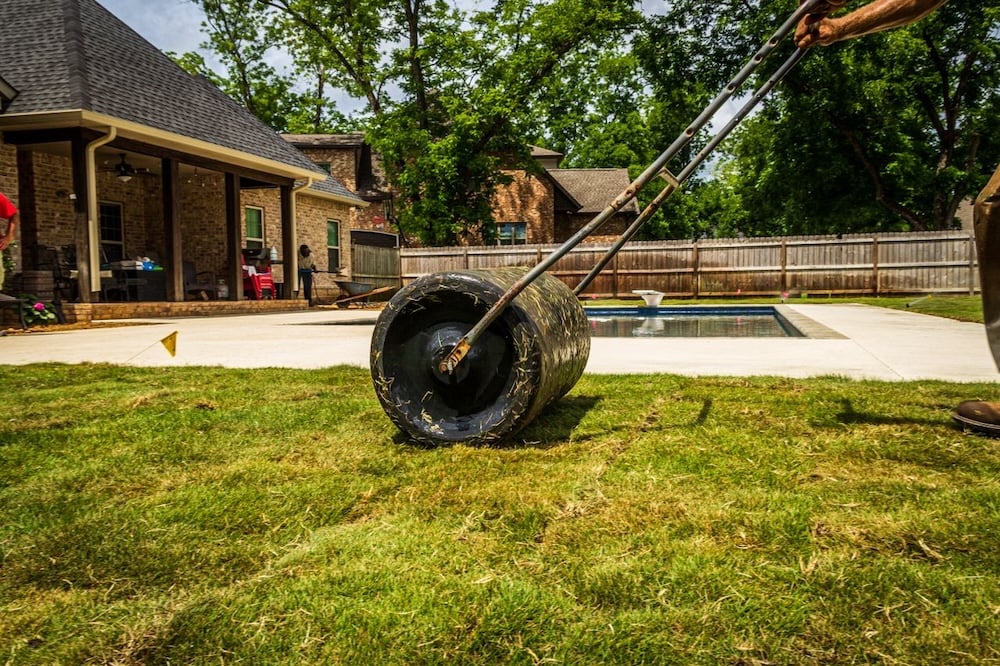
Photo credit: William Adams on Pexels
Start With the Equipment You Actually Need
It is easy to get distracted by new equipment and smart controls that promise greater convenience. A better starting point is to look at how your pool currently performs and identify the problems you actually want to solve.
If the water regularly stays cloudy, the filtration system may need attention. If operating costs are unusually high, older equipment could be contributing to unnecessary energy use. If maintaining a comfortable water temperature is difficult, upgrading the heating system may be worth considering.
Instead of shopping by feature, think in terms of symptoms. Poor circulation, noisy equipment, inconsistent water temperature, slow cleaning cycles, or limited automation can all point to specific areas that need improvement. Once you know what problem you are trying to fix, it becomes much easier to avoid unnecessary upgrades.
Understand How Pool Systems Work Together
Pool equipment does not operate independently. The pump moves water through the filter, heater, sanitation equipment, and return lines, so changing one component can affect the performance of several others.
Installing a more powerful pump, for example, does not automatically improve performance. If it is poorly matched to the plumbing or filtration system, it can create unnecessary pressure, increase energy consumption, and place additional strain on equipment.
When planning pool equipment installation, consider how the new component will work with the complete system rather than evaluating it on its own. Pool size, water volume, plumbing layout, electrical capacity, filtration requirements, heating demand, and automation controls all influence compatibility.
A system-focused approach can help prevent costly mismatches and reduce the chances of having to correct one upgrade with another.
Pay Attention to Energy Efficiency
Pool equipment can contribute significantly to ongoing operating costs, especially when pumps and related systems run for several hours each day. That makes efficiency worth considering before the utility bill becomes the deciding factor.
Variable-speed pumps are one of the clearest examples. Instead of running at one fixed speed, they can be adjusted for different tasks. Lower speeds may be suitable for routine filtration, while higher speeds can be used when extra circulation is required.
Reducing pump speed when full flow is unnecessary can substantially lower power consumption. That makes equipment selection and proper programming important parts of controlling long-term operating costs.
When comparing options, look beyond the purchase price. Energy performance, noise level, expected operating cost, maintenance requirements, warranty coverage, and available rebates can all influence the true cost of ownership.
Think About Maintenance Before You Commit
Every piece of pool equipment comes with some level of upkeep. Filters need cleaning, heaters require inspections, sanitation systems need monitoring, and automated controls can occasionally require troubleshooting.
The important question is not whether maintenance will be required, but how much of it fits your routine. A highly advanced system may sound appealing, but it can become frustrating if replacement parts are difficult to find or servicing requires specialist support every time something goes wrong.
Regularly checking pumps, filters, baskets, and sanitation equipment can help identify leaks, clogs, worn components, and performance problems before they affect the entire system.
The best upgrade is usually one that improves performance without creating a maintenance routine you will resent.
Don’t Ignore Installation Quality and Site Conditions
Even high-quality equipment can perform poorly if it is installed incorrectly. Placement, plumbing connections, electrical work, ventilation, drainage, and calibration all affect how safely and efficiently the system operates.
Existing site conditions matter too. Tight equipment areas, aging plumbing, poor drainage, or limited electrical capacity can complicate what looks like a straightforward replacement. In some cases, the equipment itself is not the difficult part. Making it work properly within the existing setup is.
A careful installer should look at equipment pad space, airflow, pipe sizing, drainage, access for future service, and any relevant code requirements before work begins.
Good installation tends to disappear into the background. The system should simply work without demanding attention every time you use the pool.
Automation Can Make Pool Ownership Easier
Automation can simplify the way pumps, heaters, lighting, sanitation systems, and other features are controlled. Instead of adjusting settings manually throughout the week, compatible equipment can often be scheduled or managed from a central control panel or mobile app.
The key word is compatible. An automation platform that does not integrate well with your existing equipment can create more frustration than convenience.
Before choosing a system, pay attention to how easy the controls are to use, whether remote access works reliably, how well the system integrates with pumps and heaters, and whether it can support future upgrades.
Automation is valuable when it removes repetitive tasks. If it makes basic pool care harder to understand, it is not really simplifying anything.
Budget for the Entire Project
Equipment prices are only one part of the cost of an upgrade. Installation labor, electrical changes, plumbing modifications, permits, removal of old equipment, and automation integration can all affect the final bill.
A detailed estimate should separate equipment from labor and explain which parts of the project could create additional costs. That helps prevent a seemingly affordable upgrade from becoming much more expensive halfway through the work.
It can also make sense to phase improvements instead of replacing everything at once. Upgrading the most inefficient or unreliable component first may solve the biggest problem while leaving room for future improvements.
Choose Equipment for the Way You Actually Use Your Pool
The best pool system is not necessarily the one with the most features. It is the one that fits how often you swim, how much maintenance you want to handle, and what you expect from the pool over the coming years.
Before making a final decision, keep a few priorities in mind:
– Solve the most important existing problem first
– Make sure new and existing equipment are compatible
– Consider long-term energy consumption
– Prioritize reliability and serviceability
– Keep future maintenance realistic
A pool should be something you enjoy rather than a collection of equipment that constantly demands attention. Choosing upgrades based on actual needs, system compatibility, efficiency, and long-term upkeep can make ownership simpler while helping you get more value from the investment.