Almost every driver has had this moment. The light turns green, the car behind honks, and suddenly there’s a jolt of realization that the last several seconds simply vanished. Eyes were pointed at the road the whole time, yet nothing really registered.
Usually it’s harmless and a little embarrassing. Sometimes it isn’t. Drivers involved in crashes often say they never saw the red light, the stopped car, or the pedestrian in the crosswalk, and they’re frequently telling the truth. Their eyes saw it. Their brain didn’t.
That gap between looking and seeing is one of the strangest quirks of human attention, and it plays a huge role in collisions on Phoenix streets every day. The brain is powerful, but it has limits, and driving pushes right up against them.

Photo by Huzaifa Ginwala on Unsplash
What Happens When Your Brain Tries to Do Two Things at Once?
The brain loves to pretend it can multitask. In reality, it mostly switches rapidly between tasks, and each switch costs a sliver of time and focus. For simple activities, that’s no big deal. Behind the wheel at 45 miles per hour, those slivers add up fast.
Cognitive distraction happens when the mind is busy with something other than driving, like a heated phone call, a work problem, or a mental grocery list. Hands stay on the wheel, and eyes stay forward, so it looks like attentive driving from the outside.
That’s why distracted driving involves far more than glancing at a phone. When attention gets divided, the brain processes less of what the eyes take in, which means hazards can sit right in plain view without ever triggering a response.
The Strange Science of Inattentional Blindness
Psychologists have a name for this phenomenon: inattentional blindness. In one famous experiment, people counting basketball passes in a video completely missed a person in a gorilla suit strolling through the middle of the scene and thumping their chest.
The brain filters constantly, deciding what deserves attention and what can be ignored. It’s a useful system, since nobody could function if they consciously noticed every leaf and license plate. But when attention is locked onto something else, unexpected objects can slip right past the filter.
On the road, those unexpected objects might be a motorcycle, a jogger, or a light that just turned red. A distracted driver can look directly at them and still fail to register their presence until it’s far too late to stop.
Why Hands-Free Technology Doesn’t Eliminate Distraction
Hands-free devices sound like the perfect fix. Keep both hands on the wheel, talk freely, and everyone’s safe, right? Not quite. The problem isn’t only where the hands are. It’s where the mind goes during the conversation.
A complicated or emotional call demands serious mental resources. Negotiating a deal, arguing with a family member, or problem-solving with a coworker pulls attention away from driving, even with both hands firmly on the wheel and eyes on the road ahead.
Voice commands and GPS screens add their own load. Dictating texts, correcting misheard words, or digging through menus on a touchscreen can be surprisingly demanding. Research suggests some of that distraction can linger for several seconds even after the task ends.
How a Moment of Missed Attention Can Cause a Crash
Driving is a constant stream of small decisions, and each one depends on noticing something in time. When attention lapses, hazard recognition gets delayed. That delay eats into the precious window a driver needs to brake, swerve, or simply ease off the gas.
At city speeds, a car covers roughly 66 feet every second at 45 miles per hour. A two-second lapse means traveling well over a hundred feet without truly processing the road. That’s more than enough distance to roll through a red light or into a stopped car.
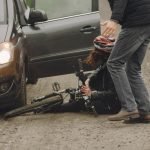
Pedestrians and cyclists are especially vulnerable. They’re smaller, less expected, and easy for a distracted brain to filter out. Changing traffic lights and suddenly braking vehicles can catch inattentive drivers off guard, turning ordinary moments into preventable collisions.
Conclusion
Looking at the road isn’t the same as seeing it. The brain can only handle so much at once, and when attention gets split, hazards can hide in plain sight, from red lights to pedestrians stepping off the curb.
Hands-free technology helps with some physical distractions but doesn’t solve the mental ones. Conversations, voice commands, and in-car screens can all compete for attention that driving desperately needs. A focused driver gives every hazard a fair chance of being noticed.
Safe driving takes a fully engaged mind, not just open eyes and steady hands. Silencing notifications, setting the GPS before pulling out, and saving serious conversations for later can help keep the brain focused where it belongs.