This post may contain affiliate links and/or editorial content. Please read our disclosure for more information.
Homes today carry a lot of responsibility. They are places to work, rest, learn, and recharge, often all within the same walls. For kids, that can make it harder to find room for play that feels free and uninterrupted. A dedicated play zone helps restore balance by giving children a space where play is expected, encouraged, and contained, instead of something that constantly spills into every corner of the home.
For families living in Grand Rapids, this idea becomes even more relevant. The weather keeps kids indoors for long stretches throughout the year, and daily routines stay busy. Having a reliable indoor play zone gives children consistency and gives parents peace of mind.
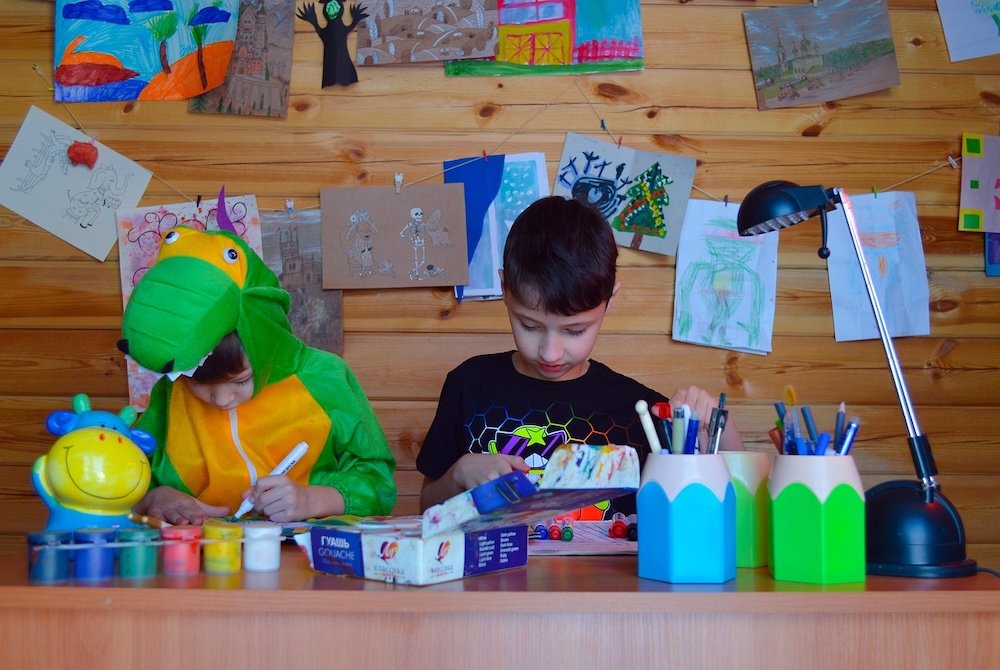
Image by Sunrise from Pixabay
A Designated Area
A designated play area gives kids clarity. When children know exactly where play belongs, they feel more comfortable settling in and staying engaged. The basement works especially well for this purpose because it naturally sits apart from the main living areas while still being part of the home. This separation allows play to happen without constant reminders to quiet down or clean up mid-activity.
In many homes, turning the basement into a play zone becomes a long-term solution rather than a temporary fix. Hiring a basement finishing company allows the space to be designed specifically around children’s needs. Flooring, lighting, storage, and layout can all support safe, comfortable play. A finished basement creates a space that feels intentional instead of improvised. Visit https://www.matrixbasements.com/grand-rapids-basement-finishing/ to hire the experts.
Toys Stay Set Up
One of the biggest frustrations for kids is having to dismantle their play every time they take a break. A basement play zone allows toys, games, and creative setups to stay in place between sessions. Train tracks, building projects, and pretend play scenes can remain untouched, making it easier for kids to return and continue where they left off.
This setup reduces daily stress for parents. Constant cleanup becomes less urgent when play is contained to one space. Toys no longer migrate into hallways or living rooms, and children feel less rushed during playtime.
Separation From Quiet Areas
Noise and movement are natural parts of play. Keeping play activities in the basement helps separate that energy from quieter parts of the home. This separation supports work-from-home schedules, homework time, and rest without limiting children’s ability to enjoy themselves.
Clear separation also helps establish expectations. Kids understand that the basement is a place where play is welcome and expressive. Upstairs areas feel calmer and more predictable. This balance allows everyone in the household to coexist without constant negotiation over noise and activity levels.
Room for Active and Creative Play
A well-planned basement play zone can support many types of play at once. Open floor space allows for movement-based activities like dancing, games, or obstacle courses. At the same time, tables or designated corners support drawing, building, and quiet, creative projects.
Having room for both active and creative play helps children follow their interests naturally. Energy levels change throughout the day, and a flexible space allows kids to adjust without needing to relocate. This variety keeps play interesting and encourages kids to explore different ways of engaging with their environment.
Easier Supervision
When play happens in one defined location, supervision becomes simpler. Parents know exactly where play is happening, which reduces the need to constantly check multiple rooms. The basement allows kids to feel independent while still being within reach.
Children gain confidence playing on their own, and parents feel more comfortable giving them space. A defined play zone supports both independence and awareness, creating a healthier dynamic around play and supervision.
Imaginative Freedom
Imaginative play thrives in spaces where kids do not feel interrupted or rushed. A basement play zone gives children room to build stories, create worlds, and fully immerse themselves in pretend play. Without the pressure to tidy up immediately or move aside for adult activities, creativity flows more naturally.
This uninterrupted environment allows ideas to evolve. Kids return to their games with continuity, building on what they created earlier. The basement becomes a place where imagination feels welcome and unrestricted.
Group Play and Sibling Interaction
Shared play becomes easier once the space supports it properly. A basement play zone offers enough room for siblings to play together without crowding each other. Board games, cooperative building, and group activities feel more enjoyable when everyone has space to participate comfortably.
This setup encourages collaboration and communication. Disagreements still happen, but shared space helps kids practice working through them.
Ownership and Responsibility
Having a dedicated play zone helps children develop a sense of ownership. The basement feels like their space, which naturally encourages responsibility. Kids begin to understand that caring for the area helps keep it enjoyable.
This sense of ownership often leads to better habits. Toys get returned to their places, projects stay organized, and cleanup feels less like a chore. Responsibility grows organically as children take pride in maintaining a space that belongs to them.
Indoor Play During Bad Weather
A basement play zone offers a reliable solution that does not depend on outdoor conditions. Rain, snow, and cold temperatures no longer disrupt play routines.
Indoor play stays active and engaging even during long stretches indoors. Kids have space to move, create, and interact without feeling confined. This consistency supports better moods and smoother daily routines throughout the year.
Learning-Friendly Flexibility
A basement play zone easily shifts between play and learning. Tables, shelves, and quiet corners support homework, reading, and creative learning activities.
Learning feels less rigid in an environment already associated with comfort and creativity. Children settle into activities more easily, and transitions feel natural. A space that supports both play and learning encourages curiosity and confidence.
Reduced Screen Dependence
Hands-on play becomes more appealing once kids have a space designed for it. A basement filled with engaging activities naturally draws attention away from screens. Toys, games, and creative materials invite interaction that feels more rewarding than passive entertainment.
Over time, children begin choosing play over screens without reminders. The environment itself encourages movement, imagination, and social interaction. Screen time decreases as playtime becomes more engaging and accessible.
Clear Play and Rest Boundaries
Clear boundaries help children understand transitions throughout the day. The basement serves as a distinct zone for play, which helps separate active time from rest and quiet moments elsewhere in the home.
This structure supports better routines. Kids recognize that play has its place and that other areas serve different purposes. Boundaries reduce confusion and help children shift between activities with greater ease, supporting a more balanced daily rhythm.
A dedicated play zone supports creativity, independence, and structure within the home. Using the basement as that space allows play to stay energetic without disrupting daily routines. Over time, the play zone becomes part of family life, helping children grow while keeping the household more balanced and organized.
She Owns It partners with others through contributor posts, affiliate links, and sponsored content. We are compensated for sponsored content. Our disclosure page outlines the details. The views and opinions expressed reflect those of our guest contributor, interviewee, or sponsor. We have evaluated the links and content to the best of our ability at this time to make sure they meet our guidelines. As links and information evolve and change, we ask that readers do their due diligence, research, and consult with professionals as needed.
The publication of Content on the site does not constitute an endorsement by She Owns It. If you have questions or concerns about any content published on our site, please let us know. We strive only to publish ethical content that supports our community. Thank you for supporting the brands that support this blog.