This post may contain affiliate links and/or editorial content. Please read our disclosure for more information.
Soldering work exposes technicians to vapors that can be harmful to health. Workers are at a greater risk of the dangers of these fumes if they breathe them in for a long time. In any steady soldering stream, it is necessary to stop inhalation of toxic vapors. Solder fume extractors are essential to making a safer workplace. It was also helpful to understand how they work, which also helps explain why they are important for technician safety.
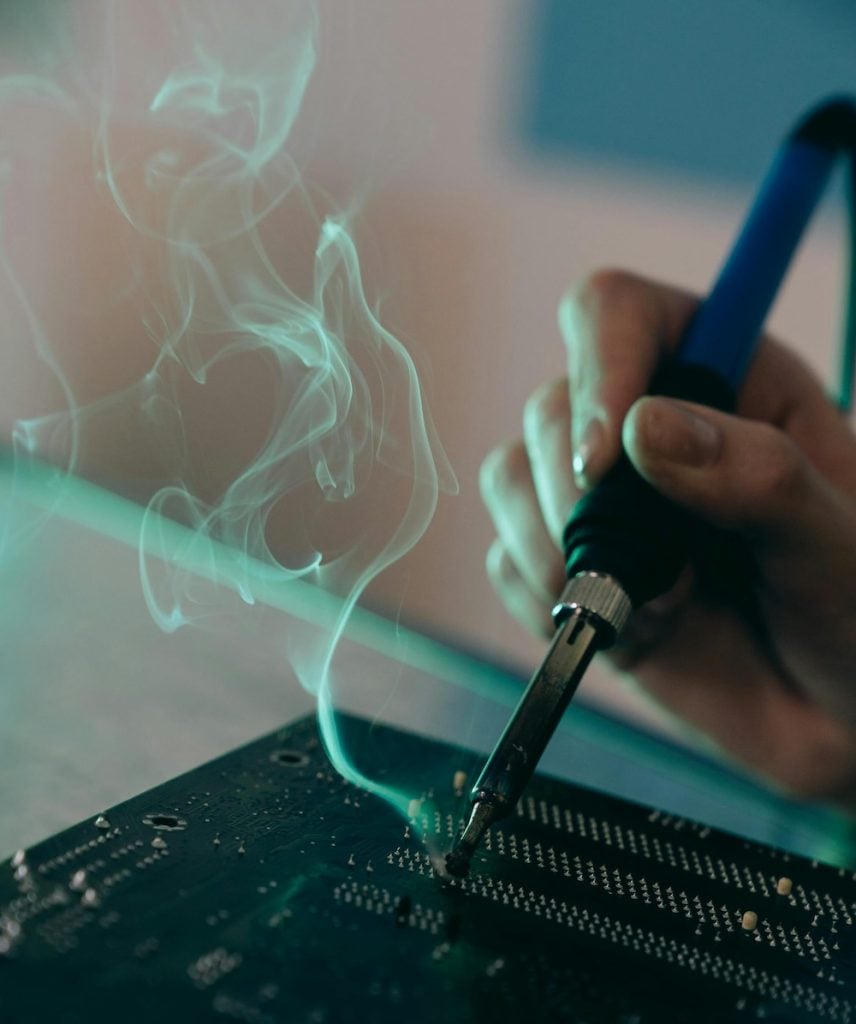
Photo by Mikhail Nilov on Pexels
The Hazards of Soldering Fumes
When soldering, fumes based on lead, rosin, and other flux additives are released. Continued exposure can cause respiratory diseases and hypersensitivity. Some might experience skin irritations or breathing issues that can lead to permanent damage to the lungs. That vapor is usually imperceptible to the naked eye, and so, without specific equipment, it is hard to detect and thus potentially unsafe. To aid this, solder fume extractors work in a way that ensures safety and protocol compliance.
Basic Principle of Fume Extraction
A solder fume extractor employs suction and filtration to extract vapors created when soldering. The apparatus removes the polluted air from the respiratory zone of the workers. The extractor contains a fan that operates to push air through a filtering system and out. It then expels purified air back into the environment in which you are working, meaning less risk of inhalation. With this method, dangerous particles will not accumulate close to the surrounding technician.
Types of Filtration Used
Extractors employ various filters to catch toxins. Activated carbon and high-efficiency particulate air (HEPA) filters are the most common filtration methods. Minimal pores in activated carbon absorb vapors from chemical molecules, neutralizing them quickly. The HEPA-level filter removes the fine particles and dust that we sometimes see. Utilizing various filter types enhances efficiency, crucial for removing both gas and solid contaminants from the air.
Best-Positioned Placement for Optimal Precaution
It is important to properly position the extractor to achieve the best performance. The nozzle or hood of the unit should be placed as close as possible to the point of soldering. Proximity collects fumes before they escape into the room. Flexible arms or bendable plates/stands provide exact positioning to the extractor. With proper arrangement, the escape of vapors is kept to a minimum, providing protection to technicians.
Maintaining Fume Extractors
Fume extractors need regular maintenance to perform consistently. Filters need to be checked and replaced based on the manufacturer’s guidelines. When the filters get clogged, they become less efficient, and the pollutants pass through the filter biosystem. Fans and ducts also need to be cleaned for blockage prevention. Regular maintenance guarantees the extractor’s long-term effectiveness in removing fumes.
Benefits for Technician Health
Fume extractors make the work environment healthier. Lower exposure reduces the risk for chronic respiratory diseases and allergic reactions. Symptoms, such as headaches, nausea, and eye irritation, are less common among technicians. Breathing cleaner air also helps your concentration and boosts productivity for those minute assembly processes. It would show a commitment to looking after workers by providing such safeguards.
Regulatory Compliance and Workplace Standards
Industries that perform soldering must use fume extraction equipment in accordance with the regulations set by various regulatory bodies around the United States of America. By following these guidelines, organizations can evade sanctions and legal problems. Compliance ensures that everyone in the environment is safe and working as they should, protecting both employees and employers.
Choosing the Right Equipment
Choosing the right fume extractor really depends on your environment and how much soldering you are doing. Portable units fit smaller workstations or are for periodic usage. Assembly lines or common places of work might require larger, centralized systems. To ascertain the best solution, evaluation of the air quality requirements and workplace arrangement is essential. Get help from safety experts or technicians to make significant choices.
Conclusion
Solder ventilation extractors will clean up the air and protect you from the toxic vapor. The usage of these contributes to technician wellbeing and occupational safety. Using proper extraction systems helps mitigate the dangers of breathing in toxic vapors. They perform even better if you ensure that they are clean and placed in relevant locations. These measures should be a priority to ensure that soldering operations work in a healthy and productive environment for all staff.