This post may contain affiliate links and/or editorial content. Please read our disclosure for more information.
Expanding a business into international markets is one of the most significant growth opportunities available. It’s also one that stops many business owners in their tracks when they encounter the actual complexity of moving goods across borders.
Customs regulations, tariff classifications, documentation requirements, import licences, and the different rules that apply in each country create a regulatory landscape that’s genuinely complex for anyone who hasn’t made it their professional focus. The businesses that navigate international trade smoothly are almost universally those that have the right professional support rather than those that have mastered the complexity themselves.
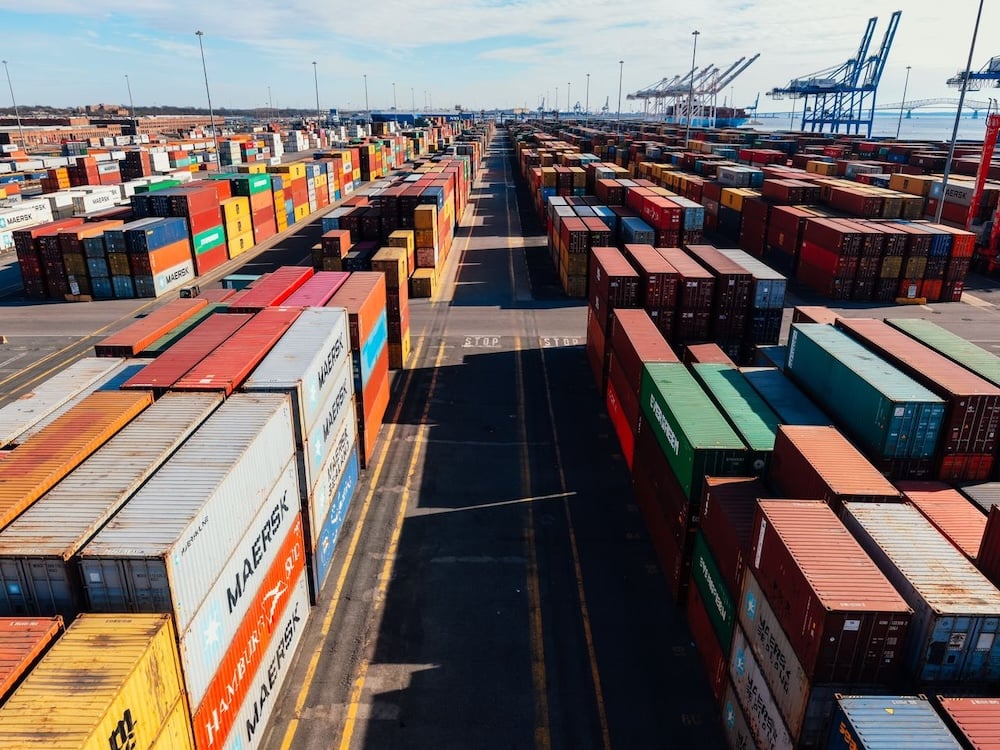
What Cross-Border Shipping Actually Involves
The simplified version of international shipping is: goods leave one country and arrive in another. The actual version involves a chain of regulatory, commercial, and logistical steps that each has specific requirements and specific consequences for getting them wrong.
The steps that create the most complexity for businesses new to international trade include:
Customs declaration and classification. Every shipment crossing a border requires a customs declaration that identifies the goods, their value, their origin, and their Harmonised System (HS) tariff code. The HS code determines the applicable duty rate and, in some cases, whether any permits or restrictions apply. Incorrect classification is one of the most common and most costly customs errors.
Documentation requirements. International shipments require commercial invoices, packing lists, and, in many cases, certificates of origin, permits for controlled goods, phytosanitary certificates for agricultural products, and other documentation specific to the goods type and destination country. Missing or incorrect documentation causes shipments to be held at customs, sometimes for days or weeks.
Duty and tax calculation. Import duties, VAT or GST on imports, and in some cases anti-dumping or countervailing duties apply at different rates depending on the goods type, origin country, and destination country. Calculating these correctly and identifying any applicable trade agreement benefits that reduce the duty rate requires specific knowledge that changes across countries and trade relationships.
Compliance with import and export regulations. Some goods require import licences in the destination country. Others are subject to export controls in the origin country. Dual-use goods and certain technologies have specific compliance requirements that carry severe penalties for non-compliance.
For businesses that are moving goods internationally either for the first time or at a scale that exceeds their internal compliance capacity, import export brokerage services provide the specialist knowledge and operational infrastructure that makes cross-border shipping manageable.
Livingston International operates across North American and global trade lanes with the expertise in customs brokerage, compliance, and trade management that businesses of all sizes need when international trade is a meaningful part of their commercial activity.
According to the Trading Across Borders indicators, professionally managed customs clearance consistently reduces both the time and cost of border compliance compared to self-managed approaches, with the gap being most pronounced for businesses that are newer to international trade or that are managing multiple destination markets simultaneously.
What Import Export Brokers Do That Saves Time and Money
The value of a professional customs broker goes beyond processing paperwork. The operational and financial benefits are specific and measurable.
Duty savings through correct classification. The difference between the correct HS code and an incorrect one is often a meaningful duty rate differential. A broker who classifies goods correctly ensures the business pays the applicable duty, which is sometimes lower than an incorrect classification would produce. Over significant import volumes, this difference accumulates materially.
Trade agreement qualification. Many businesses move goods between countries that have applicable free trade agreements but don’t fully utilise the preferential rates those agreements provide because qualifying requires documentation from suppliers and origin analysis that the business hasn’t undertaken. A broker identifies where agreement benefits apply and manages the qualification process.
Shipment velocity. Shipments prepared and filed by experienced customs brokers clear customs faster and with fewer holds than those managed without professional support. For businesses where inventory timing matters, faster clearance has direct operational value.
Penalty avoidance. The penalties for customs compliance failures range from relatively modest duty underpayments to serious fines for controlled goods violations. Professional brokerage services manage compliance systematically, which reduces the exposure that self-managed customs creates.
Handling the unexpected. Customs authorities request additional information, issue exam holds, and raise classification challenges. Having a broker who has a relationship with the relevant customs office and knows how to respond efficiently to these requests resolves them faster than navigating them without professional support.
Building a Sustainable International Trade Operation
For businesses that are building international trade as an ongoing commercial activity rather than managing occasional shipments, the value of a brokerage relationship extends beyond individual shipments to strategic trade management.
Understanding the full compliance and cost picture for each destination market, building the supplier documentation systems that support trade agreement qualification, and staying current with the regulatory changes that affect the specific goods and markets involved are all dimensions of sustainable international trade management that a professional brokerage partner provides.
Conclusion
Cross-border shipping is manageable, but it’s not simple. The businesses that make it look easy are almost always the ones with the right professional support behind their international operations. Import export brokerage services don’t just process shipments. They protect against compliance risk, reduce duty cost, and provide the expertise that turns international expansion from an intimidating logistical challenge into a systematic commercial function.