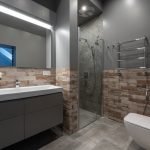
It starts small. The drawer that won’t close because it’s jammed with hair tools. The light that makes everyone look slightly green. The shower so tight you bang your elbow every time you wash your hair. None of it is a disaster. It’s just annoying.
Then there’s the morning rush. Two people, one sink, about eight inches of counter space, and a toothbrush that keeps falling into the sink. Towels hang on the back of the door because there’s nowhere else to put them. Sound familiar?
Bathrooms get used more than almost any other room in the house, so tiny frustrations add up fast. A few seconds of hassle here and there, multiplied by every morning and every night, can turn a basic room into one you quietly dread.
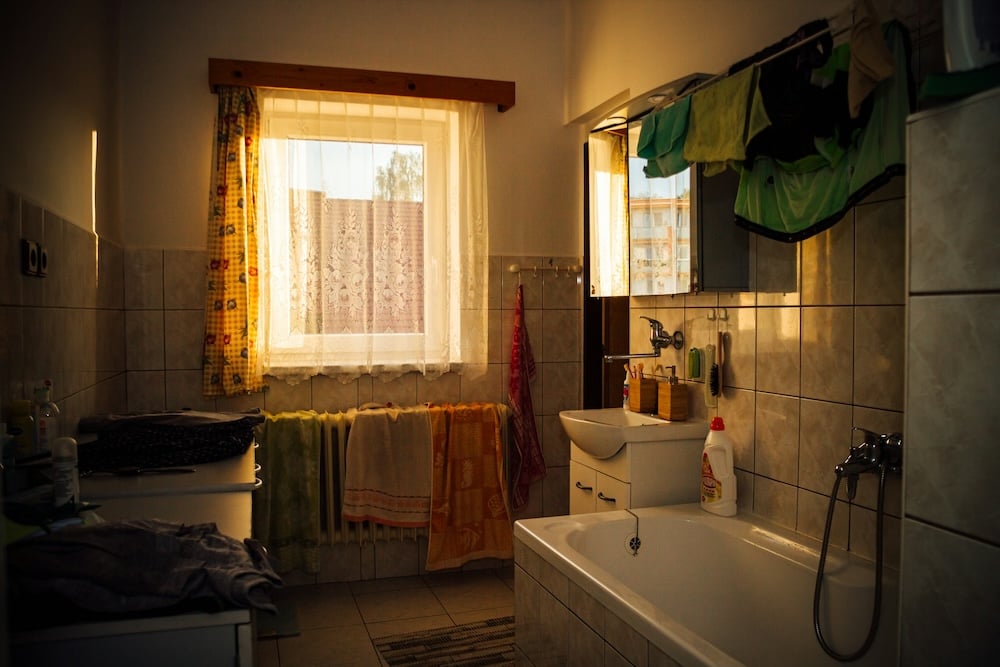
Photo by Martin Jaroš on Unsplash
Why Bathroom Layout Matters More Than Most People Realize
Most bathroom problems come down to layout. Good bathroom remodeling contractors Longmont CO homeowners work with often start by looking at where things sit, not just how they look. Moving a fixture a foot or two can change everything.
Fixture placement affects how the whole room works. A toilet crammed beside the vanity, a door that swings into the sink, or a shower that’s awkward to step into can make a perfectly sized bathroom feel cramped and clumsy every single day.
Storage, lighting, and circulation round it out. Built-in shelving, a smarter vanity, better light at the mirror, and enough room to move without bumping into things can turn a frustrating space into one that simply works. Nobody notices a good layout. They just feel it.
The Design Mistakes That Make Small Bathrooms Feel Even Smaller
Oversized vanities are a classic culprit. A big cabinet might promise storage, but in a small room it can swallow floor space and make the whole bathroom feel crowded. Sometimes a slimmer vanity or a floating design actually works better.
Poorly placed doors cause plenty of headaches too. A door that swings inward and hits the toilet or blocks the vanity eats up valuable space. Pocket doors or a reversed swing can free up room without moving a single wall.
Dark finishes and inefficient layouts make things worse. Deep colors can make a tight space feel like a closet, and wasted corners leave storage on the table. Lighter tones, smart niches, and a layout that uses every inch can make a small bathroom feel surprisingly roomy.
How Lighting, Ventilation, and Materials Affect Daily Comfort
Lighting can make or break a bathroom. A single overhead fixture casts shadows right where you need to see, especially at the mirror. Good task lighting on either side of the mirror makes shaving, makeup, and skincare way easier, and frankly more flattering.
Ventilation is the unsung hero. Bathrooms produce a lot of moisture, and without a properly sized exhaust fan, that humidity can lead to peeling paint, foggy mirrors, and mold. Moving moist air outside helps protect both the room and the people using it.
Materials matter just as much. Wet floors can be slippery, so slip-resistant tile is a smart choice. Surfaces, grout, and cabinetry should be suited to damp conditions. Choosing materials designed for wet environments helps a bathroom look great and hold up for years.
Turning an Ordinary Bathroom Into a More Relaxing Space
A walk-in shower can change how a bathroom feels. Without a bulky tub or a tight curtain, the room opens up, and stepping in becomes easier. Glass panels let light flow through, making even modest spaces feel airy and clean.
Better storage and comfortable lighting do more than you’d think. When clutter has a place to go, the counter finally becomes usable. Dimmable lights or softer evening lighting can turn a quick routine into something that actually feels calm at the end of a long day.
Accessible features add long-term comfort too. Grab bars that blend in, a bench in the shower, or a curbless entry can make the room safer for everyone. And none of this requires luxury upgrades. Thoughtful choices often matter more than expensive ones.
Conclusion
A bathroom doesn’t have to be dramatic to be a problem. Cramped showers, missing storage, bad lighting, and awkward layouts chip away at your patience every single day, often without you even realizing how much they bug you.
Good design fixes those frustrations at the source. Smarter layouts, proper ventilation, the right materials, and thoughtful lighting can turn a heavily used room into one that’s easier, safer, and genuinely more pleasant to use. Small changes can go a long way.
The best bathroom is the one you stop complaining about. When everything has a place, the light is right, and you’re not fighting for elbow room anymore, you’ll finally just enjoy the room. That’s the whole goal.