This post may contain affiliate links and/or editorial content. See our disclosure statement for details.
Owning a home brings a sense of pride, comfort, and security that few other things can match. It also brings a long list of responsibilities that are easy to forget once the excitement of moving in fades. The quieter jobs, however, tend to slip through the cracks because they sit out of sight. A clogged vent behind the dryer, a worn seal around a window, or a neglected water heater rarely draws attention until something goes wrong. By then, a small task has often become an expensive repair. Learning which jobs are most often missed is the first step toward a safer, healthier, and longer-lasting home.
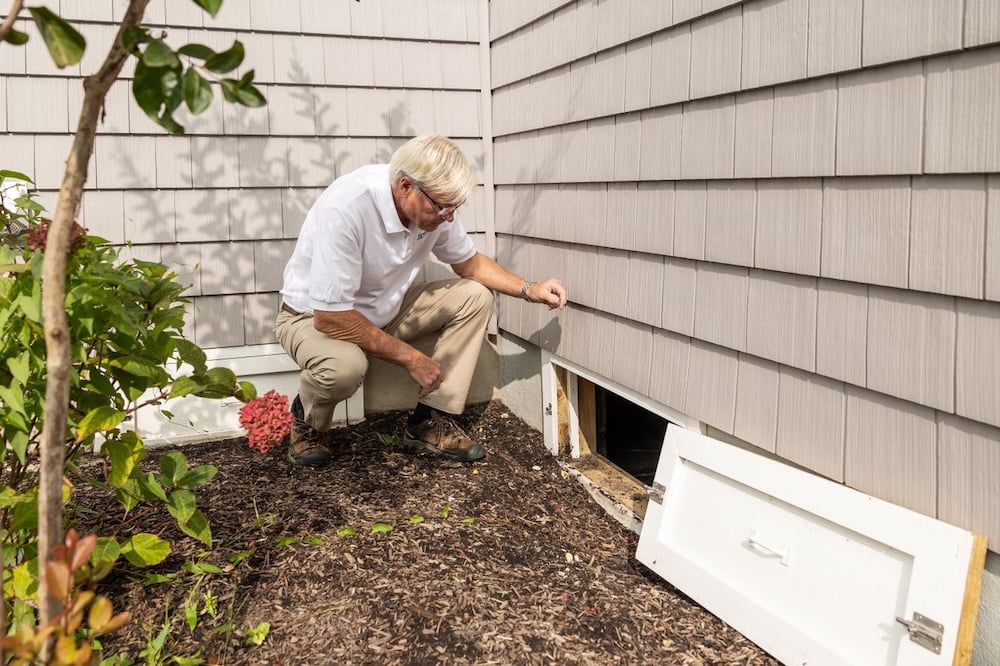
Photo credit: Kathleen Austin Kuhn on Pexels
Why the Highest Parts of the House Deserve Attention
The parts of a house that sit furthest from eye level are usually the ones that receive the least care. Homeowners walk past their walls and floors every day, yet they may go years without looking at what sits above them. The roof is a clear example, since loose shingles, cracked flashing, and small leaks can stay hidden until water stains appear on a ceiling. Regular inspections and timely repairs from trained professionals catch these problems early and keep the whole structure protected. When it is time to act, hire a company that offers residential roofing services with free inspections, clear written estimates, and support with insurance claims. A careful check once or twice a year can save a family from far larger bills later on.
Cleaning the Gutters and Downspouts
Gutters carry rainwater safely away from the house, but they only work when they are clear. Leaves, twigs, and dirt build up over time and block the flow of water. When that happens, water spills over the edges and collects near the foundation. Clogged gutters also become heavy and may pull away from the walls. Cleaning them at least twice a year, and more often if tall trees grow nearby, keeps water moving where it should. Homeowners should also check that downspouts point away from the house and empty onto ground that slopes outward.
Changing the Air Filters on Schedule
The heating and cooling system works hard throughout the year, and its air filter plays a bigger part than many people realize. A dirty filter forces the system to push air through a layer of dust, which wastes energy and wears out the parts faster. It also lets dust, pollen, and pet hair circulate through the living space, which can bother anyone with allergies. Many homeowners forget about the filter because it is tucked inside a closet or behind a small panel. Setting a simple reminder on a phone or calendar makes the habit easy to keep. A fresh filter improves comfort, lowers energy bills, and helps the system last longer.
Clearing the Dryer Vent
Most people empty the lint trap after every load, but few think about the vent that runs from the dryer to the outside wall. Lint slowly gathers inside this duct and narrows the path for hot air. As a result, clothes take longer to dry, and the machine uses more power to do the same job. More seriously, a packed vent is a fire risk, since lint catches flame easily. Cleaning the duct once a year with a vent brush, or hiring someone to do it, removes this danger. A quick sign that the vent needs attention is clothing that still feels damp after a full cycle.
Flushing the Water Heater
A water heater quietly supplies hot water for showers, dishes, and laundry, so it rarely gets a second thought. Over time, minerals in the water settle at the bottom of the tank and form a layer of sediment. This layer makes the heater work harder, reduces the amount of hot water available, and can cause popping or rumbling sounds. Flushing the tank once a year clears out the buildup and helps the unit run smoothly for longer. Homeowners should also test the pressure relief valve, which is an important safety feature. If the process feels unfamiliar, a plumber can handle it during a routine visit.
Sealing Windows and Doors
Gaps around windows and doors quietly let in drafts, dust, insects, and moisture. The caulk and weatherstripping that seal these openings break down with age and exposure to sun and changing temperatures. Once they crack or peel, the home loses heat in winter and cool air in summer. This raises energy bills and makes certain rooms feel uncomfortable no matter how the thermostat is set. Walking around the house each season and looking for cracked caulk or worn strips takes very little time. Replacing them is an inexpensive task that most homeowners can do with basic tools.
Caring for the Attic and Crawl Spaces
Attics and crawl spaces are rarely visited, which makes them ideal places for problems to grow unnoticed. Poor airflow can trap heat and moisture, leading to mold, rot, and damaged insulation. Rodents and insects may also move in and build nests without anyone noticing. A quick look with a bright flashlight a few times a year can reveal damp patches, droppings, or daylight shining through gaps. Checking that vents are open and that insulation lies evenly helps the home stay comfortable and dry. Catching these issues early prevents them from spreading into the main living areas.
Inspecting the Foundation and Exterior Walls
The foundation supports everything above it, yet many homeowners never inspect it closely. Small cracks in concrete, gaps where walls meet the ground, and doors that suddenly stick can all point to shifting soil. Exterior walls also need attention, since peeling paint, loose siding, and damaged trim let moisture reach the frame underneath. A slow walk around the house after heavy rain shows where water collects and where repairs may be needed. Filling small cracks and repainting worn areas keeps the outside of the home strong and attractive. Larger cracks or uneven floors should be checked by a qualified expert without delay.